Bullvalene plastic stretches 50% and still conducts charge
Toronto chemists added a shape-shifting molecule to a semiconducting plastic. It now stretches about 50% before cracking, up from 20%, and still carries charge.

 SUMO· the number puzzle
 Dialo· learn languages by speaking
 ediviewer· read EDI files like documents
 giftdetect· the right gift in minutes
Plastics that conduct electricity are usually stiff, and plastics that stretch usually don't conduct well. Researchers at the University of Toronto have narrowed that trade-off with a molecule called bullvalene, which never sits still.
Bullvalene is an organic molecule whose chemical bonds keep rearranging, a bit like twisting a Rubik's Cube. At room temperature it can flip between more than 1.2 million equivalent structures. The team mixed a small amount of it into a semiconducting polymer, hoping to change how the polymer chains pack together.
It worked. The restless molecule disrupts the neat crystalline order of the plastic and keeps the crystals small. That matters because ordered crystalline regions carry electric charge well, but they also make plastic brittle. The researchers also cross-linked the polymer, meaning they added bonds between its chains.
The result: the bullvalene material started to crack only at about 50 percent stretch. The control material gave up at about 20 percent, so the improvement is more than double. Measurements showed charge transport stayed close to the original. Analysis at the Canadian Light Source, a facility that produces intense synchrotron radiation, showed the crystals had not vanished. They had just shrunk, which lets the material change shape while keeping pathways for charge.
What could stretchable semiconductors be used for?
Silicon electronics are rigid and brittle, while the human body moves constantly. Softer semiconductors could go into stretchable medical sensors, electronic skin, prosthetics and devices such as pacemakers. Clothing that monitors the body and soft robots are other candidates.
What are the limits?
It isn't ready for daily wear. In repeated stretching tests at 25 percent strain, all the tested materials lost charge mobility. Surviving one big stretch does not yet mean surviving thousands of small ones. The work appears in Angewandte Chemie International Edition.
Apps worth a look
SUMO: the number puzzleTap the right tiles, add them up, hit the target. Easy to learn, hard to master. Free, for all ages.
Dialo: learn languages by speakingTalk to an AI conversation partner; every sentence comes back corrected and explained in your language. 9 languages, A1 to C2.
ediviewer: read EDI files like documentsOpen EDIFACT and X12 messages, see every segment explained, convert to JSON/XML, export PDF and Excel. Runs locally, no upload.
giftdetect: the right gift in minutesPick who it is for, the occasion and their personality. The search engine reads product descriptions from local shops and ranks what fits. Free, no sign-up.
More from this day
See all →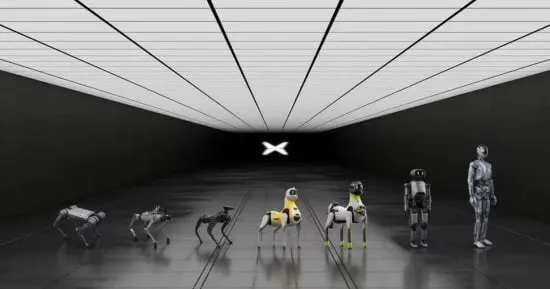
XPeng IRON humanoid robot: mass production in 2027, homes next

WhatsApp travel eSIM: buy data abroad without leaving the app
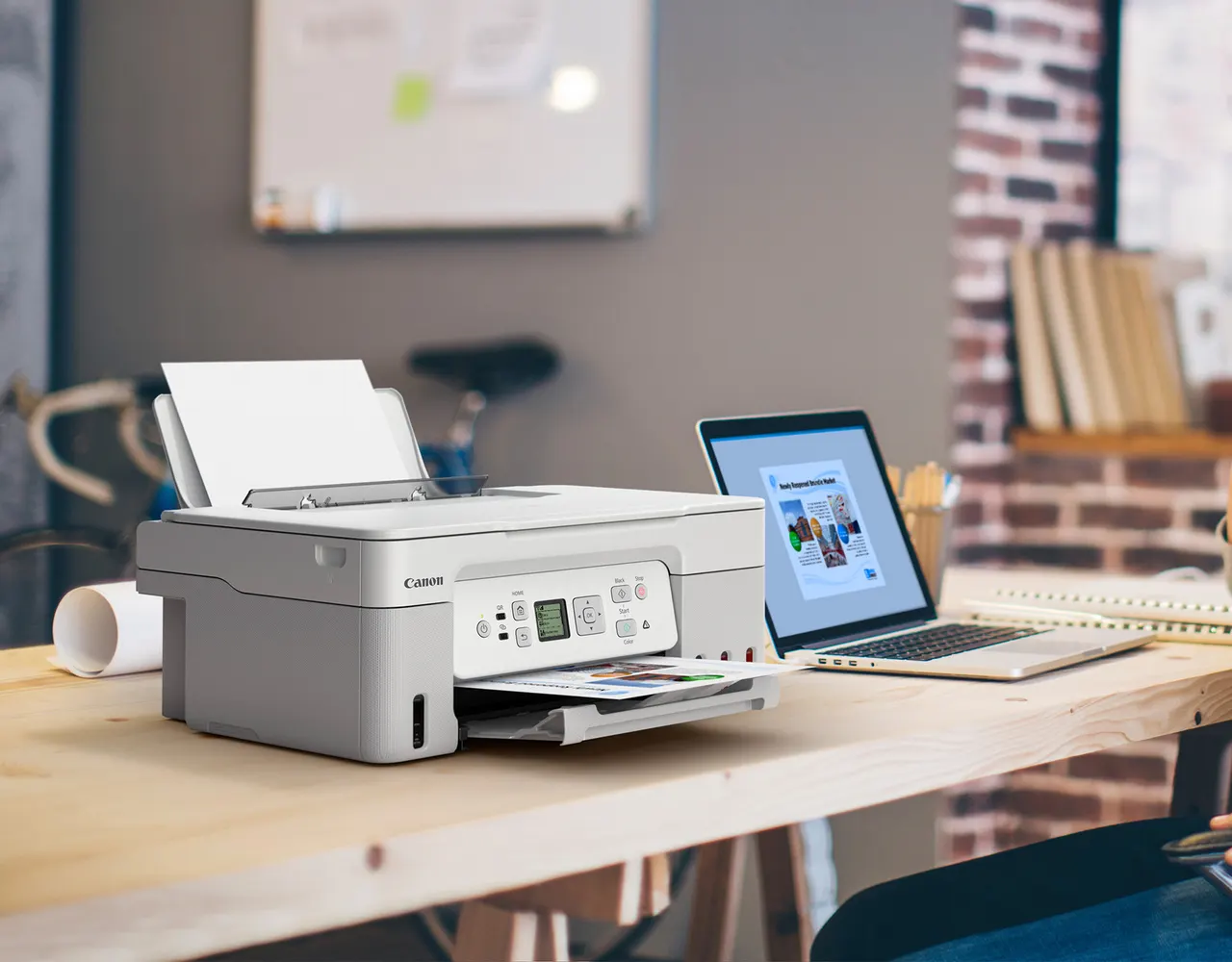
Canon printer cashback in Poland: up to 550 zł back on a new one
Rebel Phone for Kids: TCL's phone with no TikTok or Instagram
More in: Science
See all →
Neiry pigeon drone: remote-controlled pigeons now take photo orders

eHAIR: Dyed Hair That Reads Brain Waves Better Than Gel
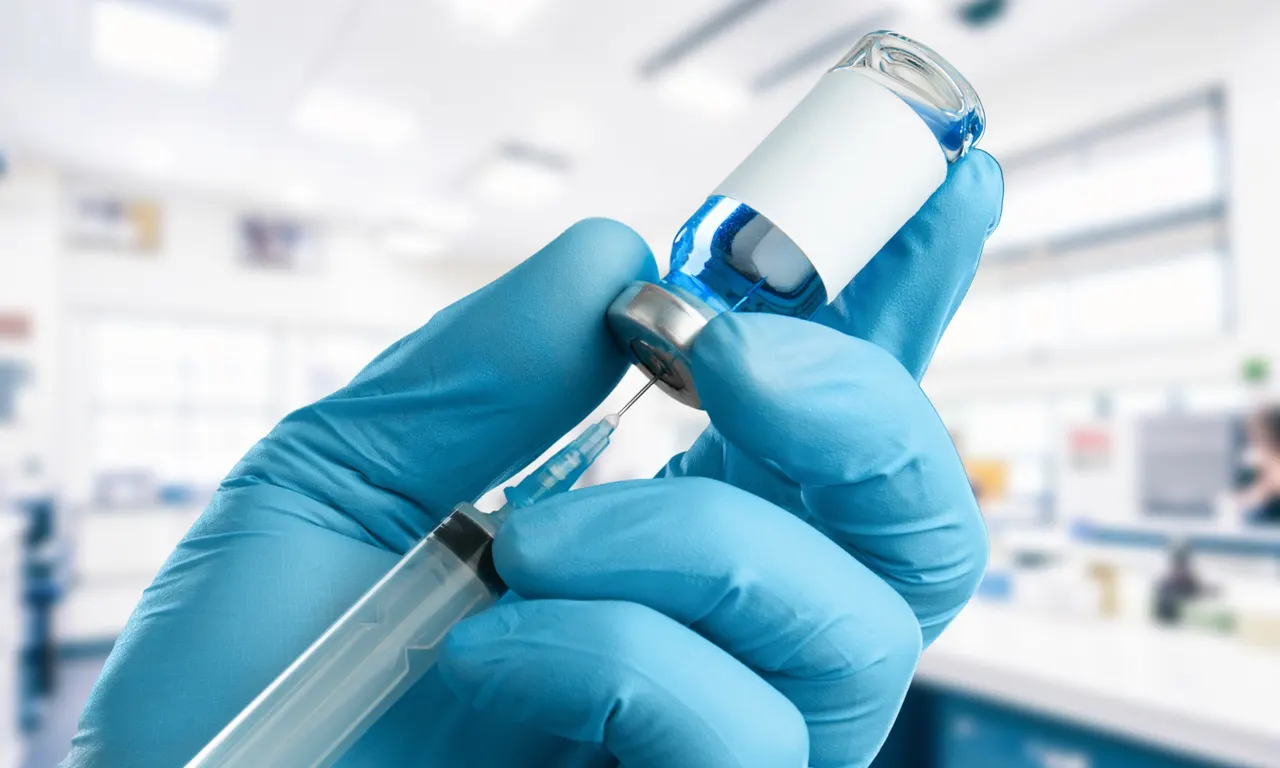
BrainBots: 250-nanometre robots carry drugs into a mouse brain