Ozone hole 2026 is the biggest since 2015, but not deeper
The Antarctic ozone hole hit 27.3 million km² in September, yet ozone loss is average. A strong polar vortex, not new pollution, explains the size.
 SUMO· the number puzzle
 Dialo· learn languages by speaking
 ediviewer· read EDI files like documents
 giftdetect· the right gift in minutes
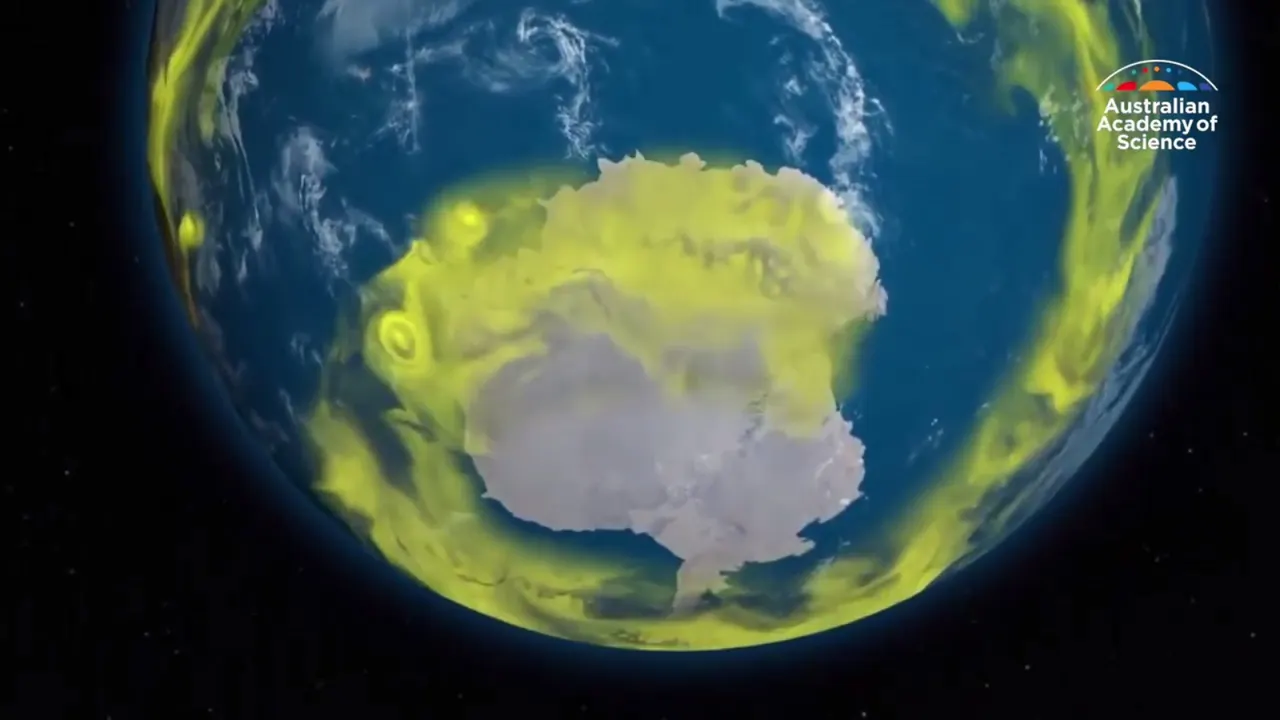
The ozone hole over Antarctica is the biggest it has been in over a decade, and scientists say there is no need to panic. On 20 September 2026 it covered 27.3 million km², nearly twice the area of the continent itself and 31% above the average for that date over the past 20 years.
The figures were released by the European Space Agency on 26 November. They come from Sentinel-5P, a Copernicus satellite that has been watching the atmosphere since 2017. It is the largest ozone hole since 2015 and one of the biggest in 48 years of measurements.
Is the 2026 ozone hole a sign that things are getting worse?
No. Size and depth are two different measures. The hole is wide, but the actual loss of ozone is close to the average of recent years, according to the ESA. That points to decades of effort against ozone-destroying gases paying off.
The swings from one year to the next are large. In 2025, NASA and NOAA ranked the hole as the fifth smallest since 1992, with a peak of 22.9 million km² on 9 September. CFCs and other chlorine and bromine gases, once common in aerosols, fridges and air conditioners, have been falling slowly and steadily since the early 2000s. A slow decline cannot explain such a jump in a single year.
Why is the ozone hole so big this year?
The weather. Every southern winter, a polar vortex, a ring of violent winds, traps freezing air above Antarctica. That cold helps destroy ozone. This year the vortex was especially strong and lasted long enough to let the hole grow to this size.
The hole is seasonal, and it is already shrinking as the southern spring warms up. It should close by the end of December.
Last year the World Meteorological Organization, a UN body, said the hole had shrunk a lot and could return to 1980s levels around 2066 if the efforts continue. Copernicus satellites help separate natural swings from human-driven change, which is what policymakers need to judge whether their measures work.
Apps worth a look
SUMO: the number puzzleTap the right tiles, add them up, hit the target. Easy to learn, hard to master. Free, for all ages.
Dialo: learn languages by speakingTalk to an AI conversation partner; every sentence comes back corrected and explained in your language. 9 languages, A1 to C2.
ediviewer: read EDI files like documentsOpen EDIFACT and X12 messages, see every segment explained, convert to JSON/XML, export PDF and Excel. Runs locally, no upload.
giftdetect: the right gift in minutesPick who it is for, the occasion and their personality. The search engine reads product descriptions from local shops and ranks what fits. Free, no sign-up.
More from this day
See all →
eHAIR: Dyed Hair That Reads Brain Waves Better Than Gel

BrainBots: 250-nanometre robots carry drugs into a mouse brain

Life without Google and Microsoft: can a PC run on European software?