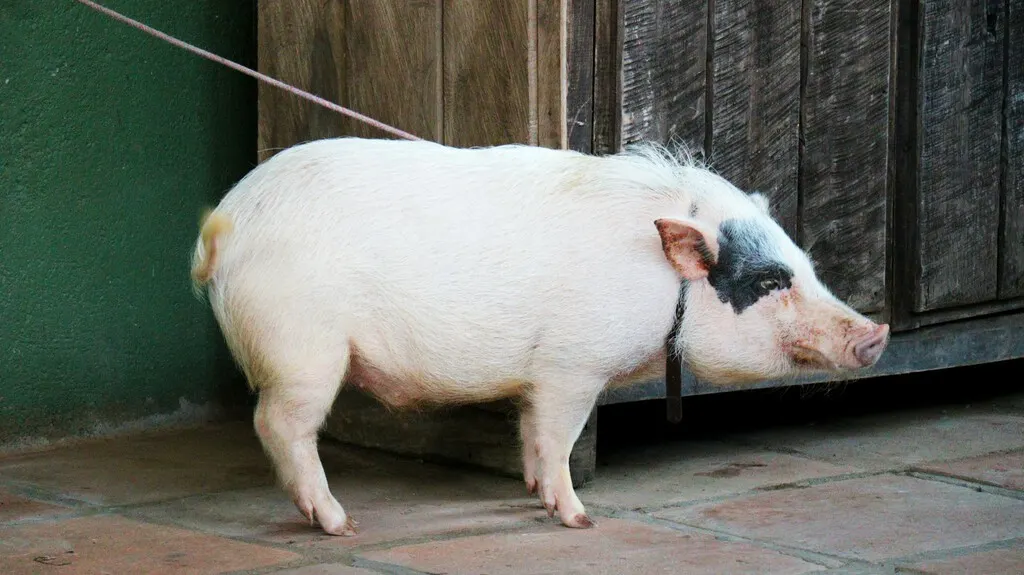
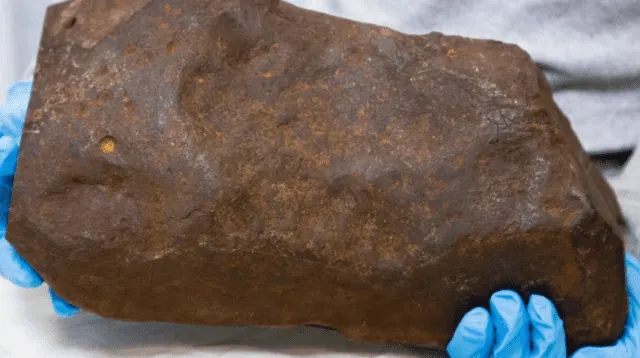
Maryborough meteorite: the gold hunter's rock that was 4.6bn years old
David Hall hit a heavy red rock with a saw, a grinder, a drill and acid, hoping for gold. It turned out to be a 17 kg meteorite from the dawn of the solar system.
 SUMO· the number puzzle
 Dialo· learn languages by speaking
 ediviewer· read EDI files like documents
 giftdetect· the right gift in minutes
David Hall thought he had struck gold. What he had actually picked up was the Maryborough meteorite, a 17 kg lump of space rock that is about 4.6 billion years old.
In 2015, Hall was out with a metal detector in a park in Maryborough, in central Victoria, Australia. He found an oddly heavy, reddish stone buried in yellow clay. Assuming it had gold inside, he took it home and tried to get in. He used a rock saw, an angle grinder and a drill. He even poured acid on it. Nothing worked. The stone barely picked up a scratch, so he took it to Museums Victoria in Melbourne.
Geologist Dermot Henry, who has since described the find, spotted the clue straight away. The surface was covered in shallow, sculpted dents. In a 2019 interview, he said these form as a meteorite plunges through the atmosphere, when the outer layer melts and airflow shapes it. Henry had worked at the museum for 37 years and looked at thousands of rocks. Only two had turned out to be meteorites. Hall's was one of them.
What kind of meteorite is the Maryborough meteorite?
Researchers cut off a piece with a diamond saw and analysed it. It is an H5 ordinary chondrite, a common stony type that is high in iron. A paper appeared in 2019 in the Proceedings of the Royal Society of Victoria, and the meteorite is named after the area where it was found.
Henry believes it came from the asteroid belt between Mars and Jupiter, knocked loose when asteroids collided. Exposure dating suggests it landed on Earth less than 1,000 years ago. Meteor sightings were logged in the region several times between 1889 and 1951, so it may have arrived then. The rock itself formed around 4.6 billion years ago, early in the solar system's history.
How rare is it?
Very. Only 17 meteorites have been found in Victoria, while thousands of gold nuggets have turned up. This is the second largest chondrite found in the state, after a 55 kg one discovered in 2003. Henry called the find "quite unusual and amazing" given those numbers, and said meteorites are one of the cheapest ways to explore space.
Apps worth a look
SUMO: the number puzzleTap the right tiles, add them up, hit the target. Easy to learn, hard to master. Free, for all ages.
Dialo: learn languages by speakingTalk to an AI conversation partner; every sentence comes back corrected and explained in your language. 9 languages, A1 to C2.
ediviewer: read EDI files like documentsOpen EDIFACT and X12 messages, see every segment explained, convert to JSON/XML, export PDF and Excel. Runs locally, no upload.
giftdetect: the right gift in minutesPick who it is for, the occasion and their personality. The search engine reads product descriptions from local shops and ranks what fits. Free, no sign-up.
More from this day
See all →
Hera probe at Dimorphos: a stadium-sized crater and hundreds of rocks

TikTok French election 2027: AI fakes now make up 25% of fact-checks
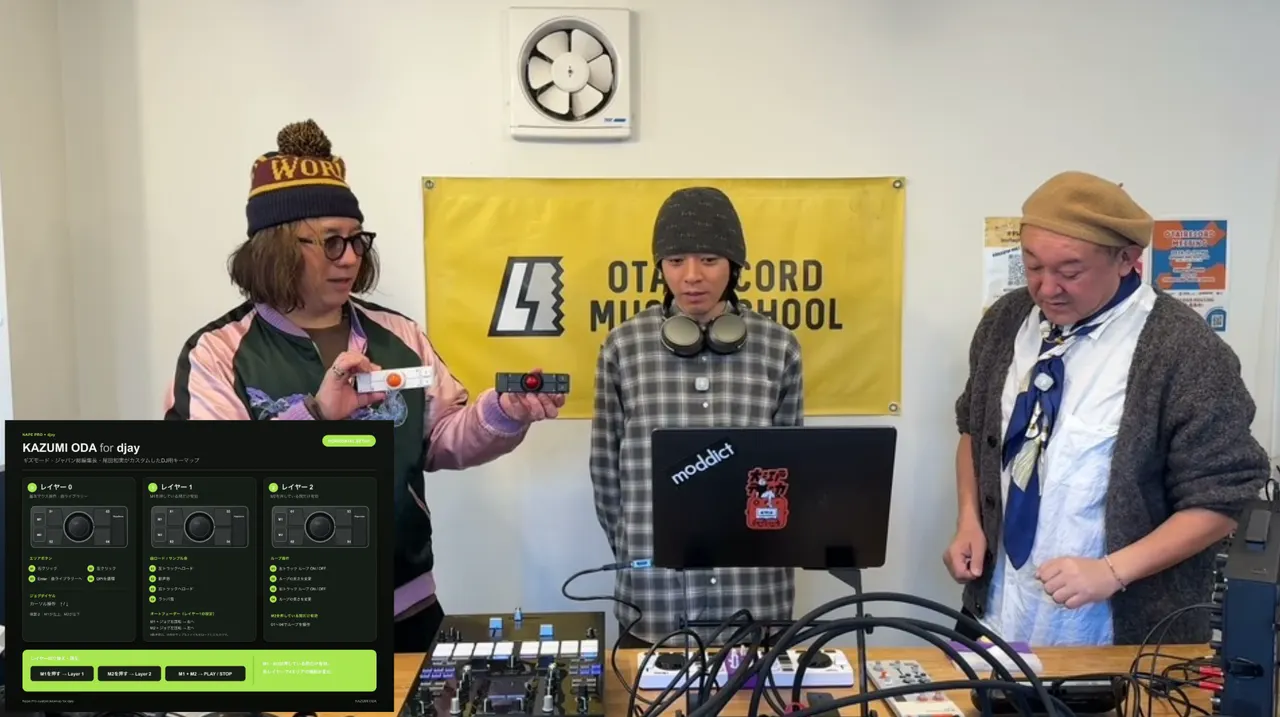
Nape Pro trackball tested as a DJ controller at a Tokyo shop
Chinese metal powder jet engine runs on powder, not kerosene
More in: Science
See all →
Japan's railgun fires 10 shots in a row, no gunpowder needed
Kīlauea lava may carry carbon from Earth's core, study finds
AT2025abao: astronomers watched a giant star swallow its companion