Kīlauea lava may carry carbon from Earth's core, study finds
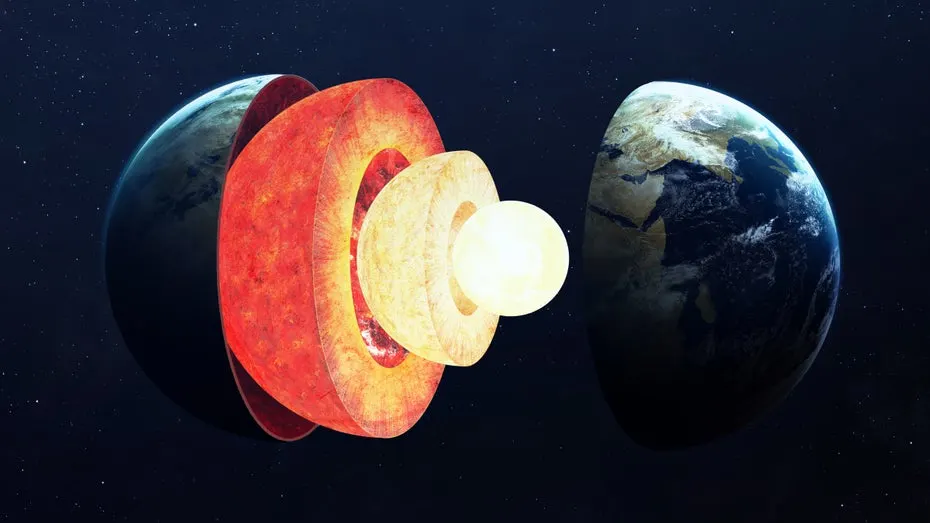
No drill can reach the core, 2,900 km down. But crystals from Hawaii's Kīlauea hold unusually heavy carbon that may have travelled up from it.
 SUMO· the number puzzle
 Dialo· learn languages by speaking
 ediviewer· read EDI files like documents
 giftdetect· the right gift in minutes
Around 2,900 kilometres of rock separate us from Earth's metal core, and no drill comes close. Yet a volcano on Hawaii may be sending up a trace of it. Crystals from Kīlauea contain carbon that doesn't match the normal mantle.
An international team led by geochemist Yves Moussallam of Columbia University and cosmochemist Damanveer Grewal of Yale studied lava deposits on Hawaii. Their paper in the journal Proceedings of the National Academy of Sciences reports isotopically heavy carbon at Kīlauea. Isotopes are atom variants of the same element, and carbon-13 is slightly heavier than carbon-12 because of an extra neutron.
"We think we have found evidence of carbon from the core leaking into the boundary layer between core and mantle and travelling all the way to the surface," Moussallam said in a statement from the Columbia Climate School.
How can a volcano show what is in Earth's core?
When Earth formed, carbon preferred liquid iron under high pressure, so roughly 80 percent of it ended up in the core. According to the study's model, traces rise through mantle plumes, slow columns of hot rock rooted at the core-mantle boundary that feed volcanoes like Kīlauea.
Rising magma normally loses its dissolved carbon dioxide, which changes the carbon left behind. But if magma cools deep down, growing olivine crystals can seal tiny droplets airtight before the gas escapes. Moussallam calls these "fossils of the magma".
The researchers measured the carbon ratio in such droplets. Samples from Tantalus, at the edge of the plume, came in at minus 5 to minus 7 per mil, normal for the mantle. Rock directly above the centre at Kīlauea reached about minus 1 per mil. The closer to zero, the heavier the carbon.
Where did Earth's carbon come from?
The heavy carbon fits water- and carbon-rich stony meteorites from the outer solar system, not the dry rock of the inner one. Similar carbon has been found in samples of asteroid Bennu brought back by a space probe. Grewal says such meteorites could only lock their carbon into the core late in Earth's formation. Earlier impacts were followed by collisions that vaporised it. The lighter carbon in the mantle is linked to Theia, the Mars-sized body whose impact also formed the Moon.
Is it proven?
Not yet. The calculated starting value varies by plus or minus 2 per mil, and the data alone can't rule out another deep source. "We need more measurements," Moussallam says.
Apps worth a look
SUMO: the number puzzleTap the right tiles, add them up, hit the target. Easy to learn, hard to master. Free, for all ages.
Dialo: learn languages by speakingTalk to an AI conversation partner; every sentence comes back corrected and explained in your language. 9 languages, A1 to C2.
ediviewer: read EDI files like documentsOpen EDIFACT and X12 messages, see every segment explained, convert to JSON/XML, export PDF and Excel. Runs locally, no upload.
giftdetect: the right gift in minutesPick who it is for, the occasion and their personality. The search engine reads product descriptions from local shops and ranks what fits. Free, no sign-up.
More from this day
See all →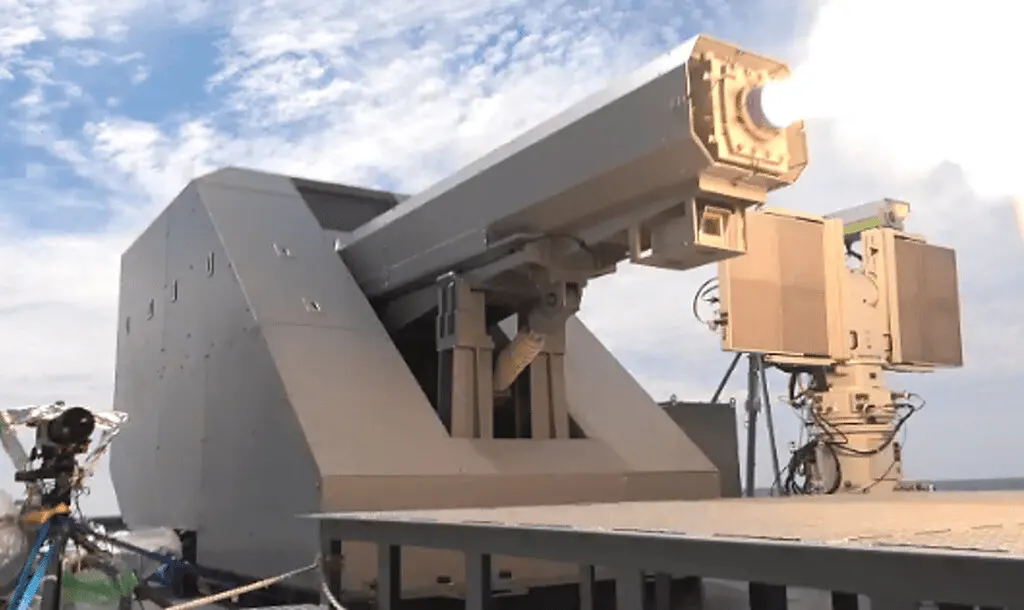
Japan's railgun fires 10 shots in a row, no gunpowder needed

DB InfraGO's new timetable system could mean more cancelled trains

Windows UserAssist logs every app you launch, even deleted ones