Rice University heat Q-switching gives 5x thermal power burst
Engineers at Rice University heated a small water-filled device with an LED for five hours, then changed one flow rate and got a fivefold jump in heat output.

 SUMO· the number puzzle
 Dialo· learn languages by speaking
 ediviewer· read EDI files like documents
 giftdetect· the right gift in minutes
Rice University engineers have managed to get five times more thermal power out of a device without turning up the heat source at all. It sounds like cheating thermodynamics. It isn't, and the trick is borrowed from pulsed lasers.
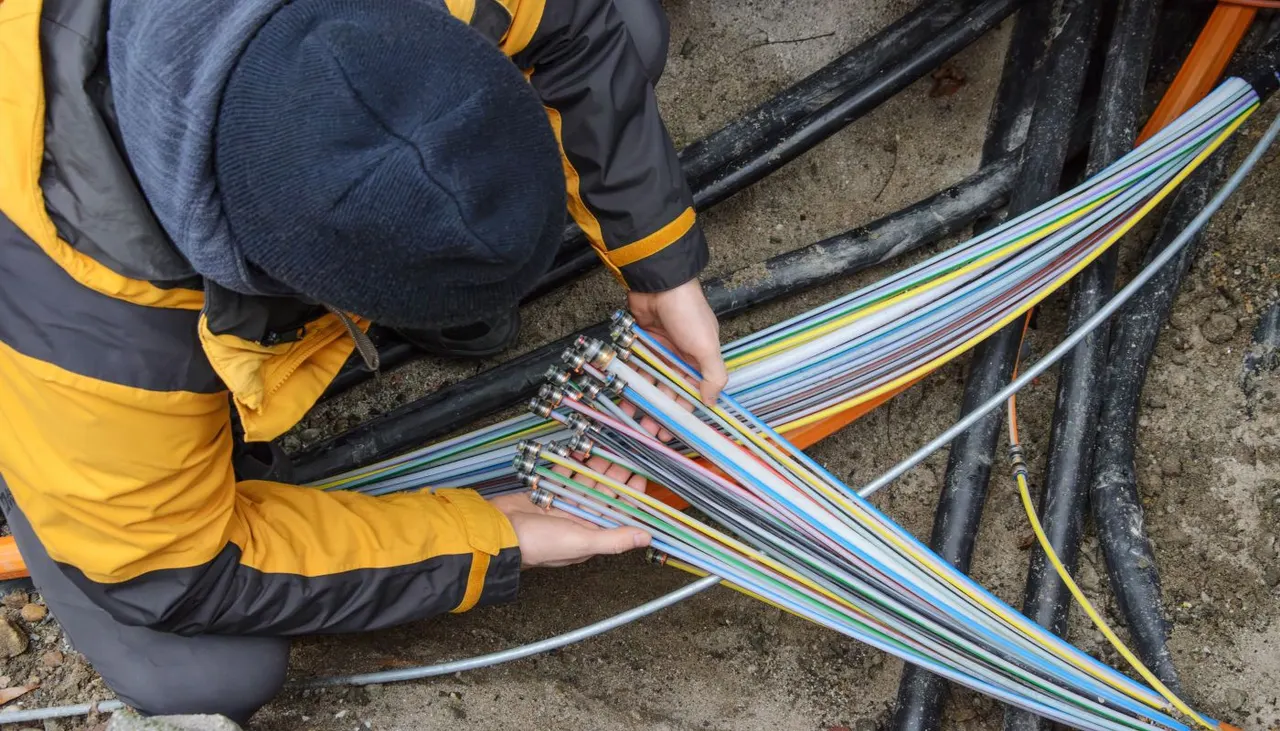
The device is built from two thermally linked channels with water flowing through them in opposite directions. With the flow speeds tuned just right, the two streams pass heat back and forth so that energy stays inside the system far longer than the water takes to flow through. You get something like a heat store, but with no phase change, meaning no special material that melts and freezes again.
The team calls the method active heat Q-switching. In a pulsed laser, the Q factor describes how well the resonator holds on to energy, and changing it on purpose releases the stored energy as a short flash of light. Here the energy is heat carried by water. Speed up the flow in one channel and the heat exchange is disrupted, so the stored heat escapes faster.
In the lab, an ordinary LED lamp heated the system for about five hours. Then the researchers increased the flow in one channel, and peak output thermal power rose roughly fivefold compared with the level before the change. The heating power stayed the same.
Does five times the power mean five times the energy?
No. The fivefold figure is momentary output power, not the amount of energy stored or the efficiency. Release the stored heat faster and you empty the store faster. How long the boosted output lasts, and how much energy is delivered over a whole pulse, are open questions.
Simulations suggest that swapping water for liquid metal could give a burst up to 20 times the steady heating power. That is a computer prediction, not a measured result. The team is also considering chaining more pairs of channels to store more heat without a proportionally larger footprint.
Where could a heat pulse device be used?
Industry looks like the obvious fit, for example a plant that collects waste heat from one process and uses it for a short, demanding step. Water desalination, sterilisation and solar-powered equipment are other candidates. The researchers also mention dishwashers, which seems a stretch: extra channels, pumps and flow control would have to beat a plain heating element on cost and efficiency, and nobody has measured that, or how the system holds up over thousands of cycles.
Apps worth a look
SUMO: the number puzzleTap the right tiles, add them up, hit the target. Easy to learn, hard to master. Free, for all ages.
Dialo: learn languages by speakingTalk to an AI conversation partner; every sentence comes back corrected and explained in your language. 9 languages, A1 to C2.
ediviewer: read EDI files like documentsOpen EDIFACT and X12 messages, see every segment explained, convert to JSON/XML, export PDF and Excel. Runs locally, no upload.
giftdetect: the right gift in minutesPick who it is for, the occasion and their personality. The search engine reads product descriptions from local shops and ranks what fits. Free, no sign-up.
More from this day
See all →Apple must hand Epic Games 3,200 documents in App Store fight

Google Play developer address and phone number plan under review

PGM V8: the 334 hp two-litre V8 motorcycle built from R1 parts

Samsung Vision camera mode in One UI 9.5 beta describes what it sees
More in: Science
See all →
Fugaku supercomputer stays 9th as China's LineShine takes No. 1
Dark matter periodic table: physicists imagine dark atoms

Baltic Sea cyanobacteria blooms may affect cloud formation