Fiber optic cable earthquake sensor maps New Zealand's Alpine Fault
Researchers turned one spare strand in a 30 km internet cable into thousands of seismic sensors and looked inside New Zealand's Alpine Fault.
 SUMO· the number puzzle
 Dialo· learn languages by speaking
 ediviewer· read EDI files like documents
 giftdetect· the right gift in minutes
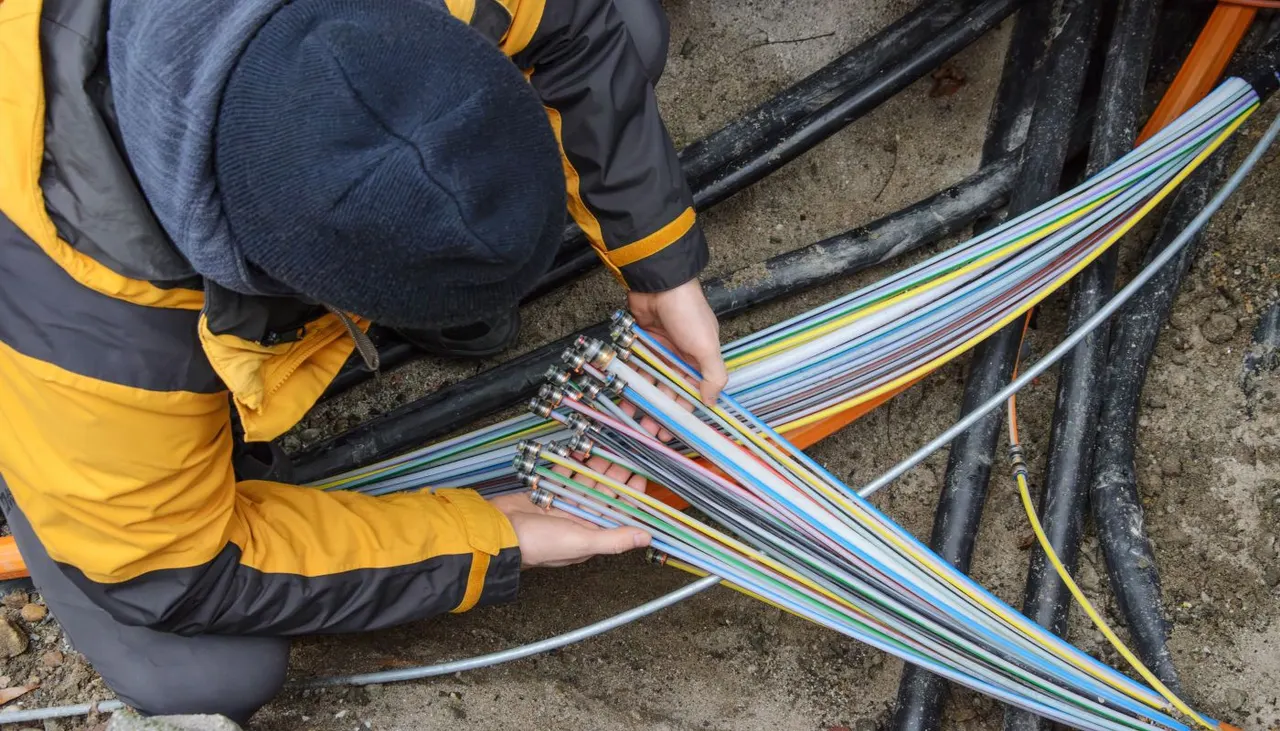
A spare, unused strand of glass in a broadband cable has become a very long seismometer. Researchers at Singapore's NTU used it to peer into New Zealand's Alpine Fault, with a resolution of about 10 metres.
The cable runs 30 km along the road through Haast Pass on the South Island. Working with the telecoms firm Chorus, the team sent laser pulses down one unused fibre, often called "dark fibre". That single strand became thousands of virtual sensors, each just 4 metres from the next.
How does a fiber optic cable detect earthquakes?
The method is called distributed acoustic sensing, or DAS. When the ground shakes, seismic waves stretch and squeeze the glass by microscopic amounts. That changes the light bouncing back along the cable, and the changes reveal what is happening underground.
What did the cable find in the Alpine Fault?
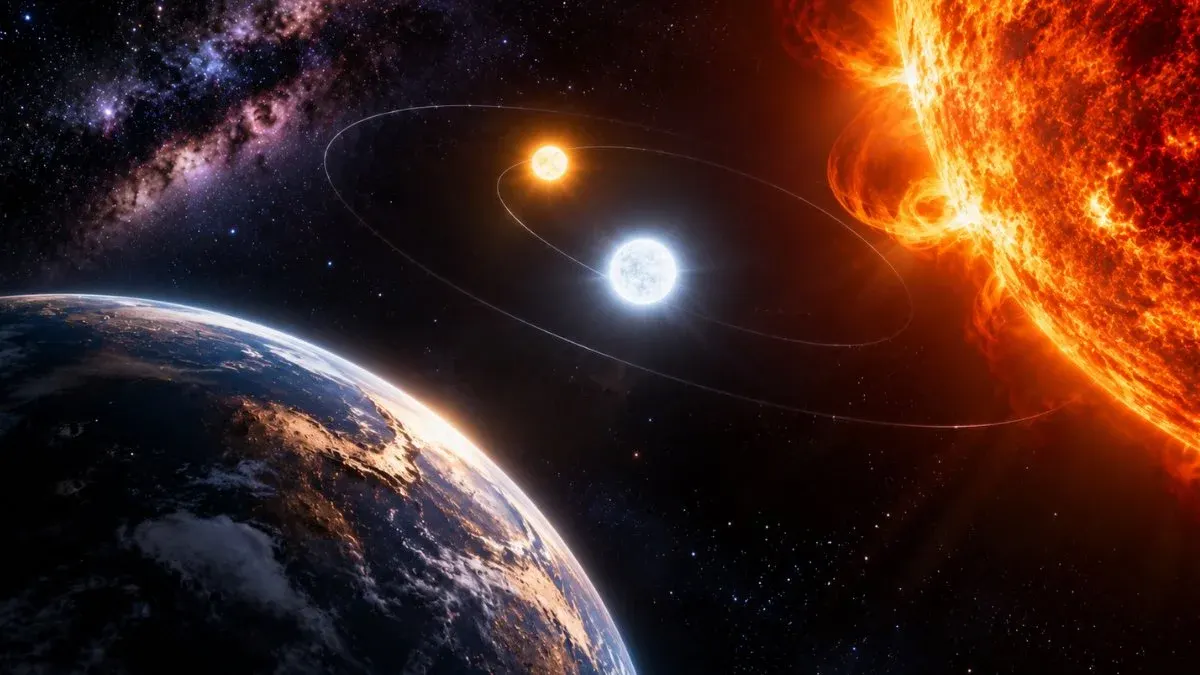
The fault is where the Australian and Pacific tectonic plates meet. Its last big earthquake was in 1717, and a 2021 study put the chance of a magnitude 7 or larger quake within 50 years at about 75 per cent.
In 2023 the cable recorded 67 local earthquakes over 140 days. In 16 of them, waves got trapped in broken rock. Simulations suggest the fault is a roughly 200-metre band of crushed rock holding up to six narrow slip cores of about 10 metres each, where the rock actually moves. Ordinary seismometer networks cannot see that detail.
The main fault core runs unbroken for about 180 km. A bend near the Martyr River stopped some prehistoric quakes and let others through, so the two segments seem to remain connected at depth. Models give a joint rupture an 82 per cent chance of exceeding magnitude 8.
This does not say when the next quake will come. It does give hazard planners firmer data on how the fault might break.
Does it need dark fibre?
Not always. Researchers working with Google turned the Curie subsea cable into a sensor by reading the polarisation of ordinary internet traffic, with no special lasers. Seabed instruments are costly and hard to install. According to Stanford geophysics professor Biondo Biondi, each metre of fibre works like a sensor costing under a dollar.
Apps worth a look
SUMO: the number puzzleTap the right tiles, add them up, hit the target. Easy to learn, hard to master. Free, for all ages.
Dialo: learn languages by speakingTalk to an AI conversation partner; every sentence comes back corrected and explained in your language. 9 languages, A1 to C2.
ediviewer: read EDI files like documentsOpen EDIFACT and X12 messages, see every segment explained, convert to JSON/XML, export PDF and Excel. Runs locally, no upload.
giftdetect: the right gift in minutesPick who it is for, the occasion and their personality. The search engine reads product descriptions from local shops and ranks what fits. Free, no sign-up.