Wind turbine blade recycling: flash heating turns waste into graphene
Old turbine blades are too tough to recycle. Researchers in Beijing blasted them to 2,000°C in milliseconds and got graphene and silicon carbide.
 SUMO· the number puzzle
 Dialo· learn languages by speaking
 ediviewer· read EDI files like documents
 giftdetect· the right gift in minutes
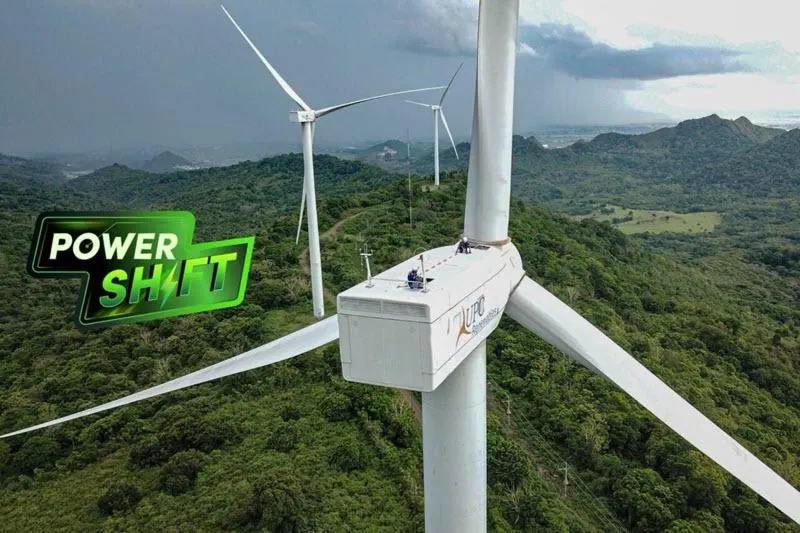
Wind turbine blades are built to survive decades of storms. That is exactly why nobody knows what to do with them once they wear out. Researchers at Tsinghua University in Beijing now say a jolt of electricity can turn old blades into graphene.
The study, published in the journal Chem Circularity, uses a technique called flash Joule heating. A high-current pulse runs through a conductive material and pushes its temperature to 2,000°C or more within milliseconds, according to lead author Hao Bi. The method has already been used to turn waste plastic and biomass into graphene and other carbon materials. This time the team aimed it at blade waste.
Why is wind turbine blade recycling so hard?
Blades are mostly glass fibre, which contains silica, bonded with a carbon-rich polymer resin. Tough enough to endure wind and rain for decades, they are also tough to take apart. Burying them in landfill eats up space, and finding another use for them wastes the useful materials inside.
What did the researchers get out of the blades?
The team crushed spent blades, mixed them with nearly pure carbon and ran several flash heating experiments. At extreme heat, carbon reacts with silica to form silicon carbide, which is very hard and heat resistant. Some carbon atoms instead arrange themselves into graphene, a honeycomb-like flat lattice that is strong and conducts both heat and electricity well.
In a typical run, about 56% of the mixture became a composite of 34% silicon carbide and 66% graphene. Both materials are valuable in industry and can be used to improve the strength and heat conduction of new blades.
The climate numbers look good too. Compared with chemical dissolution, greenhouse gas emissions fall by 92%. Compared with recovering energy as heat, they fall by 83%.
Bi describes the approach as upcycling low-value waste into high-value material. The work is still a lab study, but it points to a route where recycling old blades could cut processing costs and even turn a profit.
Apps worth a look
SUMO: the number puzzleTap the right tiles, add them up, hit the target. Easy to learn, hard to master. Free, for all ages.
Dialo: learn languages by speakingTalk to an AI conversation partner; every sentence comes back corrected and explained in your language. 9 languages, A1 to C2.
ediviewer: read EDI files like documentsOpen EDIFACT and X12 messages, see every segment explained, convert to JSON/XML, export PDF and Excel. Runs locally, no upload.
giftdetect: the right gift in minutesPick who it is for, the occasion and their personality. The search engine reads product descriptions from local shops and ranks what fits. Free, no sign-up.
More from this day
See all →
Apple Intelligence: South Korea targets Apple over iPhone 16 ads

Anthropic denies training Claude to sabotage user work
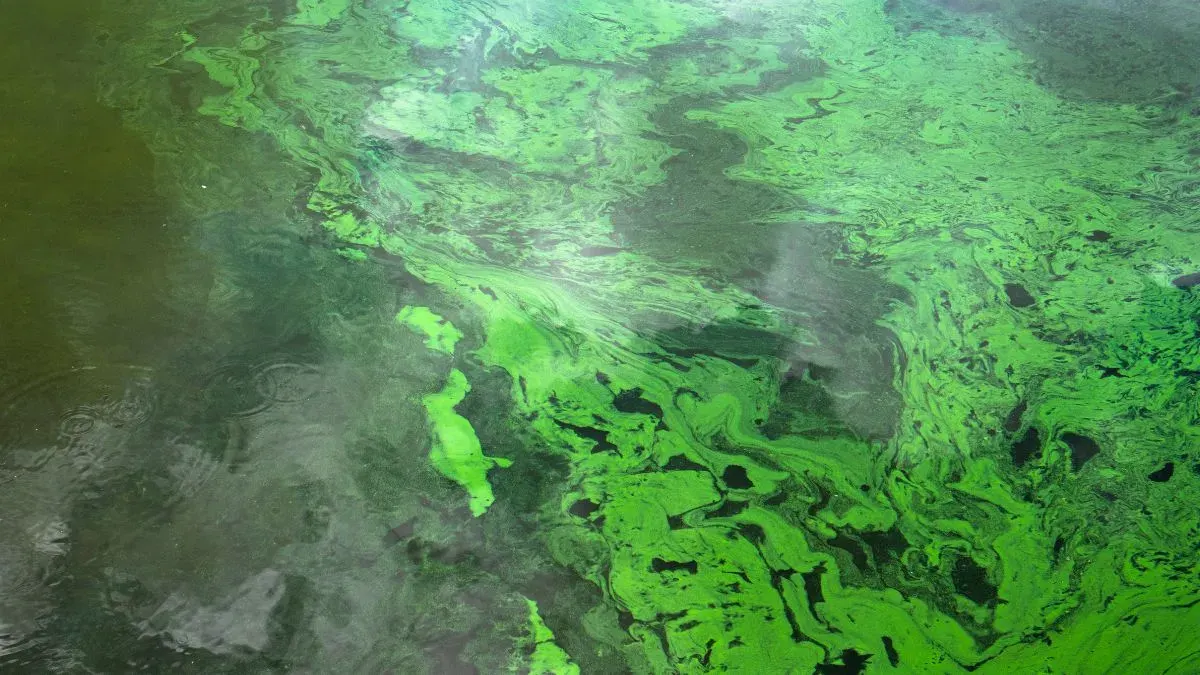
Baltic Sea cyanobacteria blooms may affect cloud formation