Baltic Sea cyanobacteria blooms may affect cloud formation
When summer cyanobacteria blooms faded in the Baltic Sea, the sea's emissions of a cloud-related gas almost stopped. Researchers tracked it for 51 days.
 SUMO· the number puzzle
 Dialo· learn languages by speaking
 ediviewer· read EDI files like documents
 giftdetect· the right gift in minutes
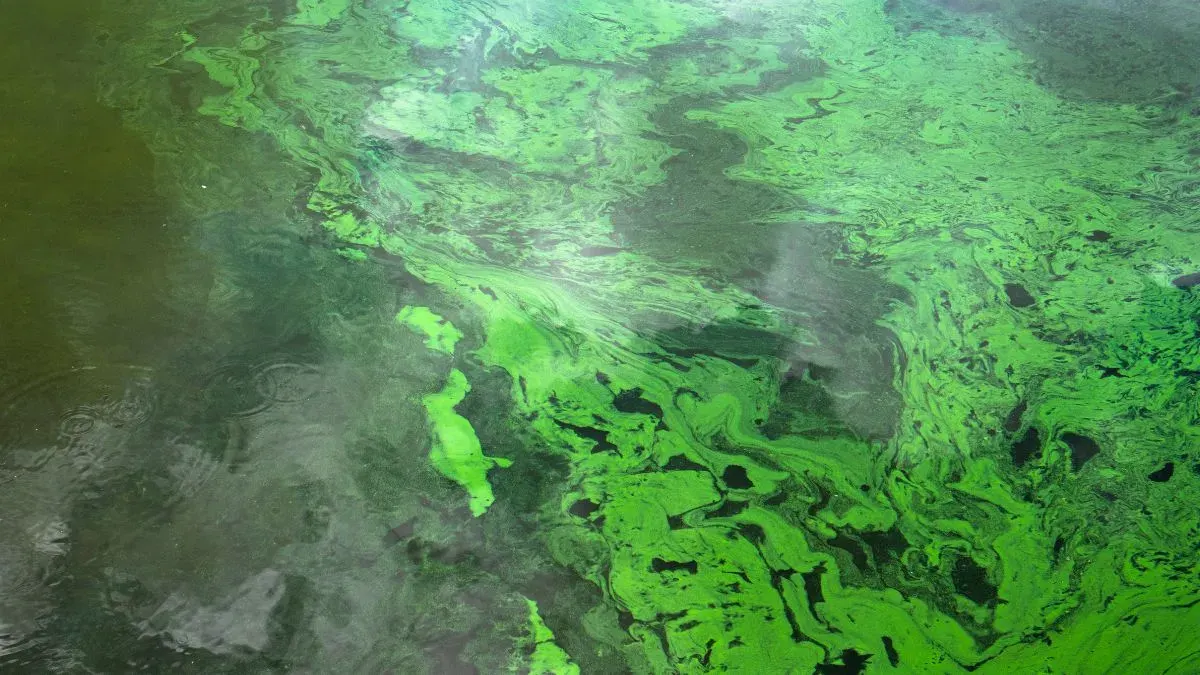
Cyanobacteria blooms usually mean closed beaches and spoiled holidays. A new study from the Baltic Sea suggests their reach goes further: cyanobacteria blooms in the Baltic Sea appear to be linked to a gas that helps clouds form.
An international team spent 51 days measuring how chemicals move between the sea and the air. The key finding concerned dimethyl sulfide (DMS). Emissions were fairly high while intense blooms lasted, then almost stopped by the end of August. That happened even though strong winds, which normally help gases leave the water, kept returning from time to time.
How the researchers measured it
The work began in summer 2024 on Utö, a Finnish island at the edge of the Archipelago Sea. Scientists from the University of Copenhagen, Lund University, Finnish research institutes and Germany's GEOMAR placed instruments on the shore that track air movement and chemistry. A mass spectrometer analysed samples ten times per second. At the same time the team recorded phytoplankton, water temperature and weather.
The researchers concluded that biological changes in the water caused the drop. Cyanobacteria themselves make little of the precursor compound for DMS, so the authors suspect other bacteria living in the bloom play an important role.
Why does DMS matter for clouds?
DMS is partly responsible for the smell of sea air. Seas and oceans are the largest natural source of sulfur in the atmosphere, and products of DMS chemistry help form and grow tiny aerosol particles. Water vapour needs such particles to condense on, and some DMS products can serve that purpose. Their number affects how well clouds reflect sunlight. Cloud formation also depends on humidity, temperature, air movement and other substances, so this is one piece of the puzzle.
The study, published in Nature Communications, described 73 chemical signals, 48 of them matched to specific substances, including methanethiol, isoprene, acetone and formic acid. Acetone and acetaldehyde moved the other way, from the air into the water.
Warmer water may make blooms more intense, and they are already visible from satellites. If they become more frequent and last longer, the mix of gases leaving the sea could change. How large the effect is, and whether it matters for climate elsewhere, is not yet known. The team now wants to repeat the measurements in other bodies of water.
Apps worth a look
SUMO: the number puzzleTap the right tiles, add them up, hit the target. Easy to learn, hard to master. Free, for all ages.
Dialo: learn languages by speakingTalk to an AI conversation partner; every sentence comes back corrected and explained in your language. 9 languages, A1 to C2.
ediviewer: read EDI files like documentsOpen EDIFACT and X12 messages, see every segment explained, convert to JSON/XML, export PDF and Excel. Runs locally, no upload.
giftdetect: the right gift in minutesPick who it is for, the occasion and their personality. The search engine reads product descriptions from local shops and ranks what fits. Free, no sign-up.
More from this day
See all →
Flipkart CEO Exit: Walmart's Chris Nicholas to Meet Staff Monday

Apple Intelligence: South Korea targets Apple over iPhone 16 ads

Anthropic denies training Claude to sabotage user work