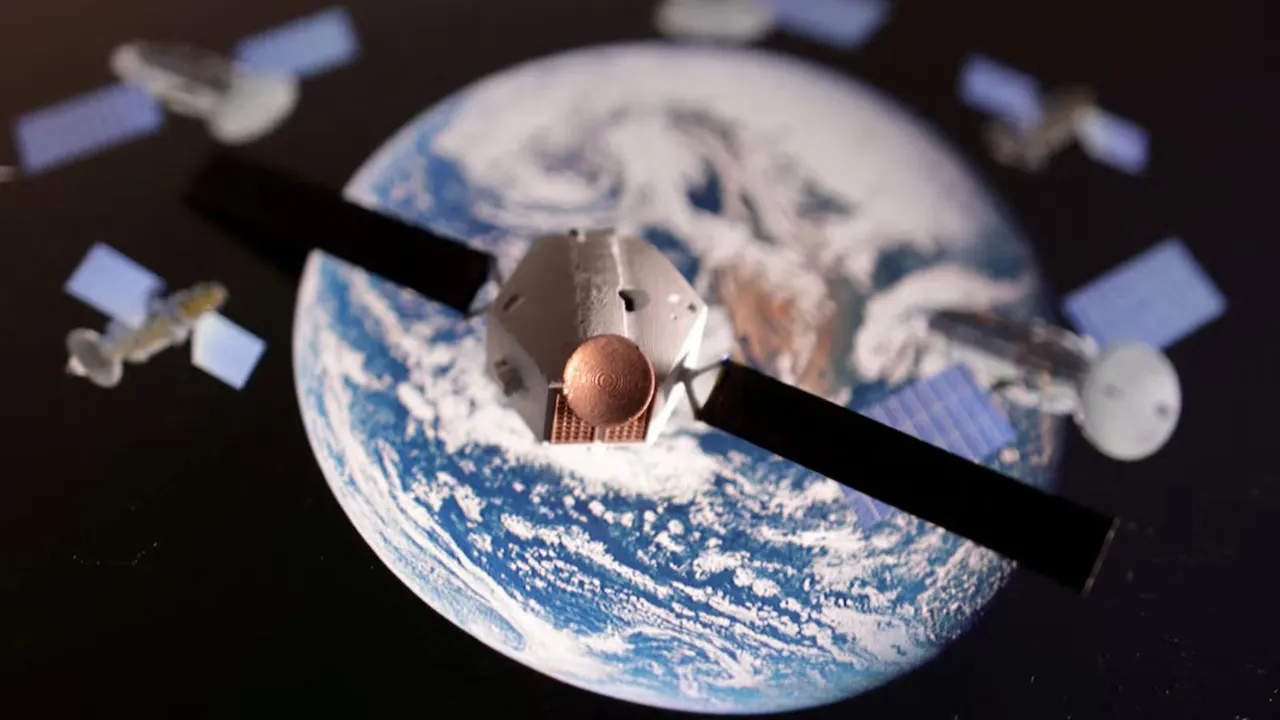
Hera probe at Dimorphos: a stadium-sized crater and hundreds of rocks
Hera's first close-ups show the asteroid NASA hit in 2022 now tumbles chaotically, and that it is surrounded by hundreds of boulders nobody had spotted.
 SUMO· the number puzzle
 Dialo· learn languages by speaking
 ediviewer· read EDI files like documents
 giftdetect· the right gift in minutes
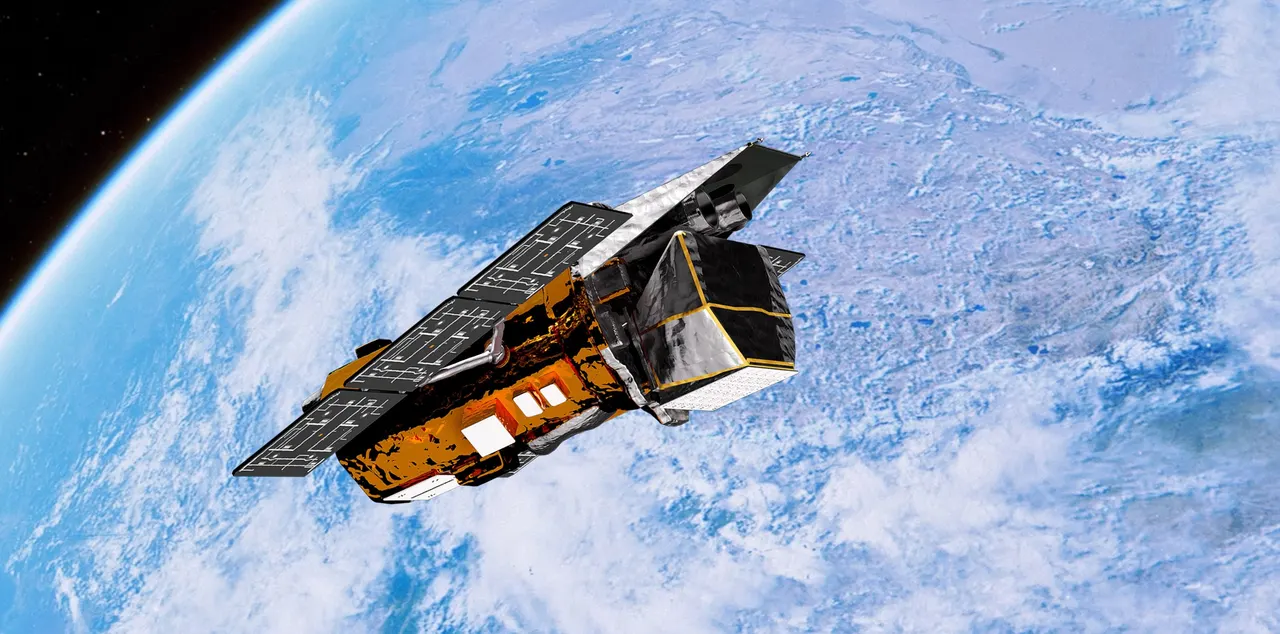
Four years after NASA crashed a spacecraft into it, the asteroid Dimorphos has been photographed up close, and it no longer behaves as it used to. The European Space Agency's Hera probe shows a battered rock that tumbles chaotically, surrounded by hundreds of boulders nobody knew were there.
ESA released the first detailed Hera images on Wednesday 25 November from Berlin. The probe launched in October 2024 and reached the Didymos and Dimorphos pair in early November. It now sits about 30 kilometres from its target, some 197 million kilometres from Earth, and will spend at least six months studying the aftermath of the first asteroid deflection test in history, using around a dozen instruments.
What did Hera find at Dimorphos?
On 26 September 2022, NASA's DART impactor, about 580 kilograms travelling at 6.1 kilometres per second, hit Dimorphos on purpose. The rock is 151 metres across. The crash shortened its orbit around Didymos by 33 minutes, when 73 seconds would have counted as success. Telescopes on Earth measured that shift but could say nothing about the surface.
Now we can see it. The side that took the hit is flattened by a crater the size of a football stadium, stretching across almost the whole width of the asteroid. The opposite side still shows the same boulder fields photographed in 2022, as if nothing had happened. Patrick Michel, the mission's science lead at CNRS and the Observatoire de la Côte d'Azur, calls it a "big surprise".
Three weeks of pictures also show that Dimorphos no longer spins in an orderly way. It tumbles chaotically on its orbit, unlike the regular rotation seen before the impact.
Why are the rocks around Didymos a problem?
Hera also spotted hundreds of rocks a few metres wide that had gone unnoticed. They crowd the probe's working area. For now it flies rectangular orbits to stay 25 to 30 kilometres from both asteroids. Aurélie Moussi-Soffys, Hera project manager at CNES, the French space agency, says engineers will have to work around these rocks at every manoeuvre, since the probe still has to get closer for sharper images.
Part of what comes next will be flown from Toulouse. CNES will guide two shoebox-sized CubeSats, Juventas and Milani, released from January 2027 to skim past the two bodies. Juventas will do the first radar tomography of an asteroid, then try to land on Dimorphos in June 2027.
The measurements should answer an open question: the deflection was about 25 times the minimum hoped for, and nobody knows exactly why. Mass, internal structure and crater depth will tell whether hitting an asteroid can become a dependable defence.
Apps worth a look
SUMO: the number puzzleTap the right tiles, add them up, hit the target. Easy to learn, hard to master. Free, for all ages.
Dialo: learn languages by speakingTalk to an AI conversation partner; every sentence comes back corrected and explained in your language. 9 languages, A1 to C2.
ediviewer: read EDI files like documentsOpen EDIFACT and X12 messages, see every segment explained, convert to JSON/XML, export PDF and Excel. Runs locally, no upload.
giftdetect: the right gift in minutesPick who it is for, the occasion and their personality. The search engine reads product descriptions from local shops and ranks what fits. Free, no sign-up.
More from this day
See all →
ChatGPT for Android may soon call, text and read your screen

DWP cyber incident: UK pulls pensions services offline

TikTok French election 2027: AI fakes now make up 25% of fact-checks
Maryborough meteorite: the gold hunter's rock that was 4.6bn years old
More in: Space
See all →
Teledroid robot heads to the ISS: first spacewalk-style work in 2027
Kuiper Belt dust in Earth's stratosphere reveals heavy water
NASA's Swift Observatory burns up after 22 years of science