NASA's Swift Observatory burns up after 22 years of science
Built for two years, NASA's Swift telescope lasted 22, catching over 2,000 gamma-ray bursts before a failed rescue left it to fall over Sumatra.
 SUMO· the number puzzle
 Dialo· learn languages by speaking
 ediviewer· read EDI files like documents
 giftdetect· the right gift in minutes
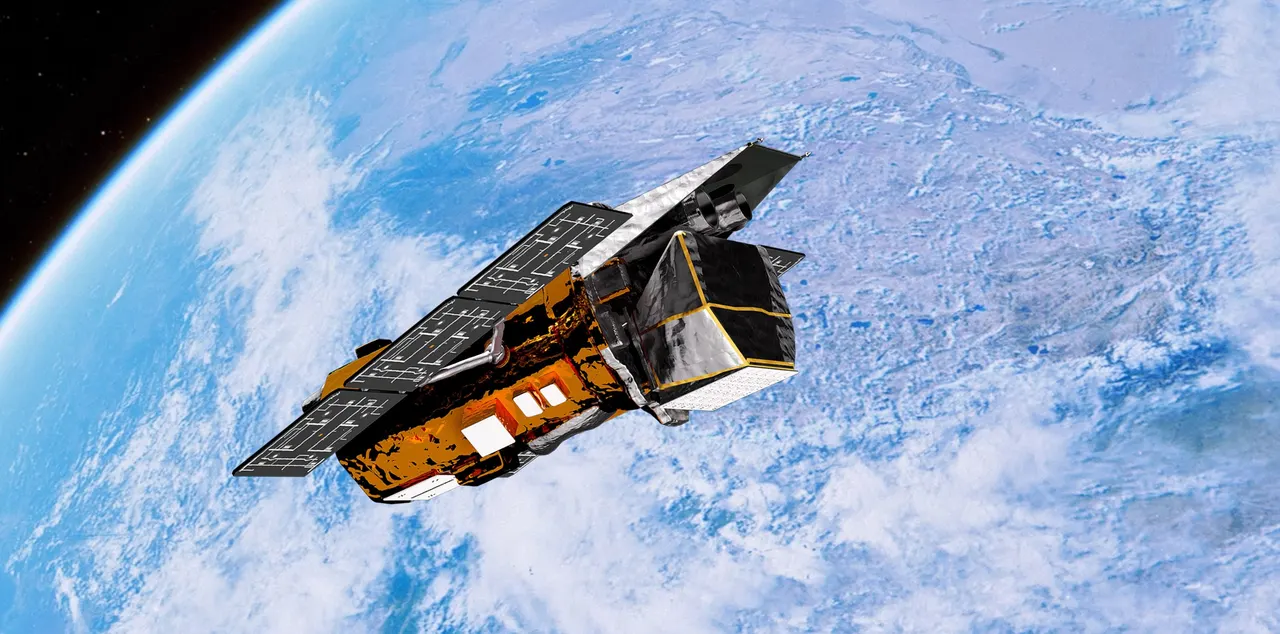
The Neil Gehrels Swift Observatory was meant to work for two years. It kept going for almost 22, then fell out of the sky on November 4 and burned up over North Sumatra, Indonesia.
Swift launched on November 20, 2004, and carried a gamma-ray burst alert telescope plus ultraviolet, visible-light and x-ray telescopes. Its job was to find gamma-ray bursts, the most powerful explosions in the universe, and point at them fast. NASA renamed it in 2018 after Neil Gehrels, its first principal investigator, who had died.
Why Swift was so useful
These bursts fade quickly, so nobody could aim big telescopes at them in time. Swift spotted a burst, worked out its position, alerted other observatories and swung around to image the afterglow, usually in about a minute. That mattered most for short bursts, which end in under two seconds.
In May 2005 it caught GRB 050509B, which lasted just 0.03 second, and recorded 11 x-ray photons. It was the first short burst with a detected afterglow, and it backed the long-held idea that such bursts come from two neutron stars merging.
Over its life Swift observed more than 2,000 gamma-ray bursts and more than 1,400 supernovae, and watched black holes tear stars apart. Its data fed about 7,000 scientific papers. The full dataset, roughly 12 terabytes, is public.
What happened to the rescue attempt?
Swift had no thrusters, so thin air at its low orbit kept dragging it down. It started near 585 kilometers (364 miles) and was at about 363 kilometers by June 18, 2026. Stronger solar activity had expanded the atmosphere and sped up the fall.
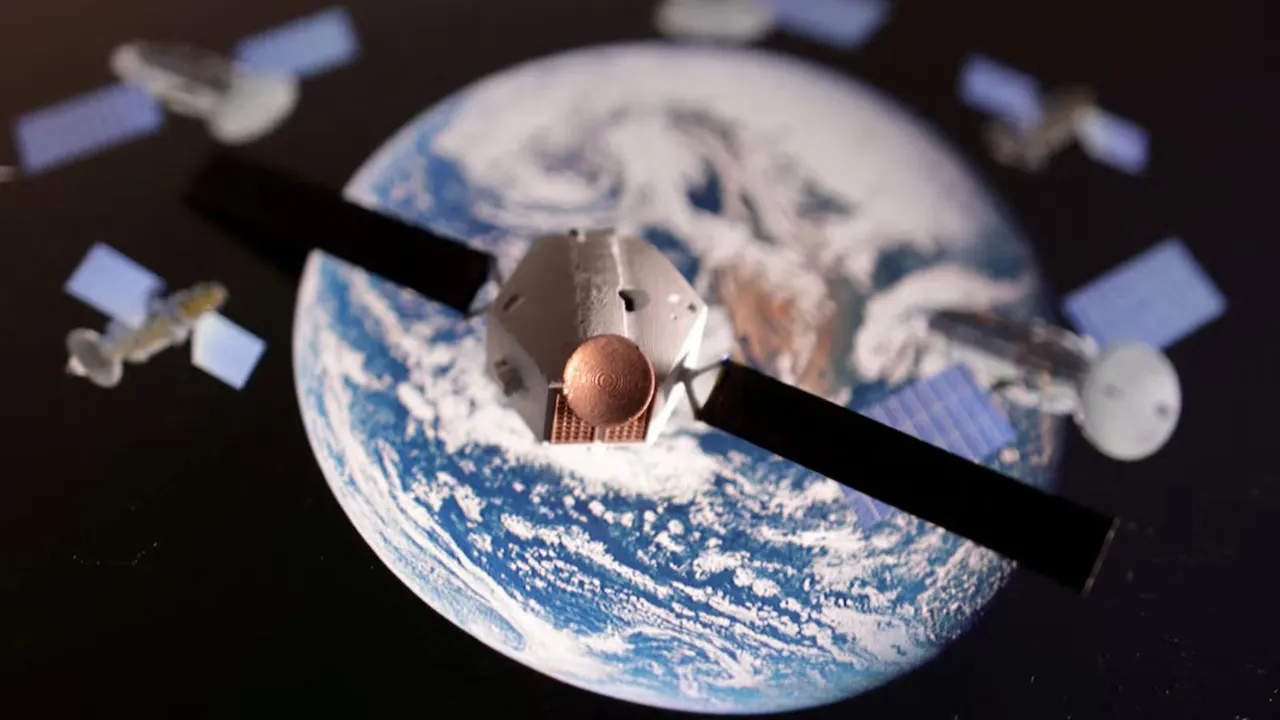
In September 2025 NASA signed a $30 million contract with Katalyst Space Technologies. Its small LINK spacecraft, launched on July 3, 2026, was supposed to grab Swift with three robotic arms and lift it higher. An attitude-control fault during testing made that too difficult, and on August 19 the rescue was cancelled and turned into a demonstration. LINK got within 12 to 15 kilometers (7 to 9 miles) of Swift, then reentered on September 25.
Swift's team restarted its instruments and imaged Tycho's supernova remnant. Below 275 kilometers the telescope could no longer hold a steady lock, and the final observation came on October 20. NASA is now looking at ways to use and expand its existing telescopes to keep reacting quickly to cosmic events.
Apps worth a look
SUMO: the number puzzleTap the right tiles, add them up, hit the target. Easy to learn, hard to master. Free, for all ages.
Dialo: learn languages by speakingTalk to an AI conversation partner; every sentence comes back corrected and explained in your language. 9 languages, A1 to C2.
ediviewer: read EDI files like documentsOpen EDIFACT and X12 messages, see every segment explained, convert to JSON/XML, export PDF and Excel. Runs locally, no upload.
giftdetect: the right gift in minutesPick who it is for, the occasion and their personality. The search engine reads product descriptions from local shops and ranks what fits. Free, no sign-up.
More from this day
See all →
Acer Googlebook 14 boot loop fixed: just start setup again
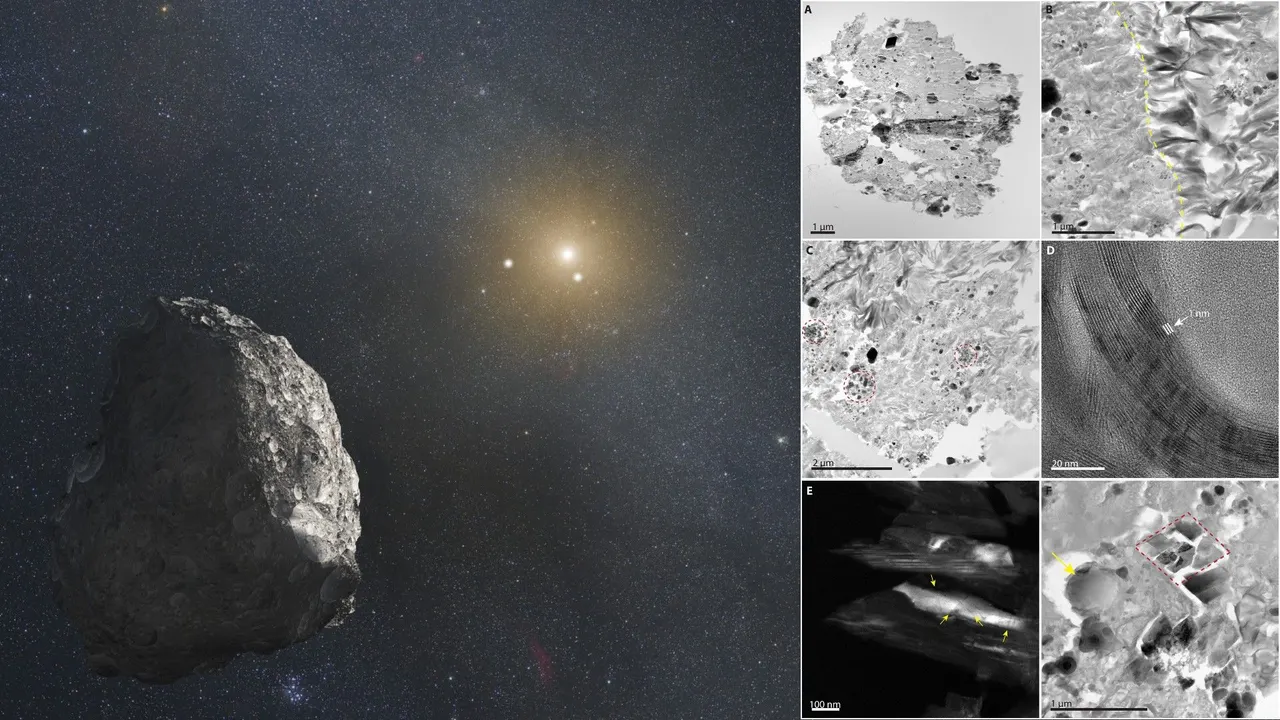
Kuiper Belt dust in Earth's stratosphere reveals heavy water
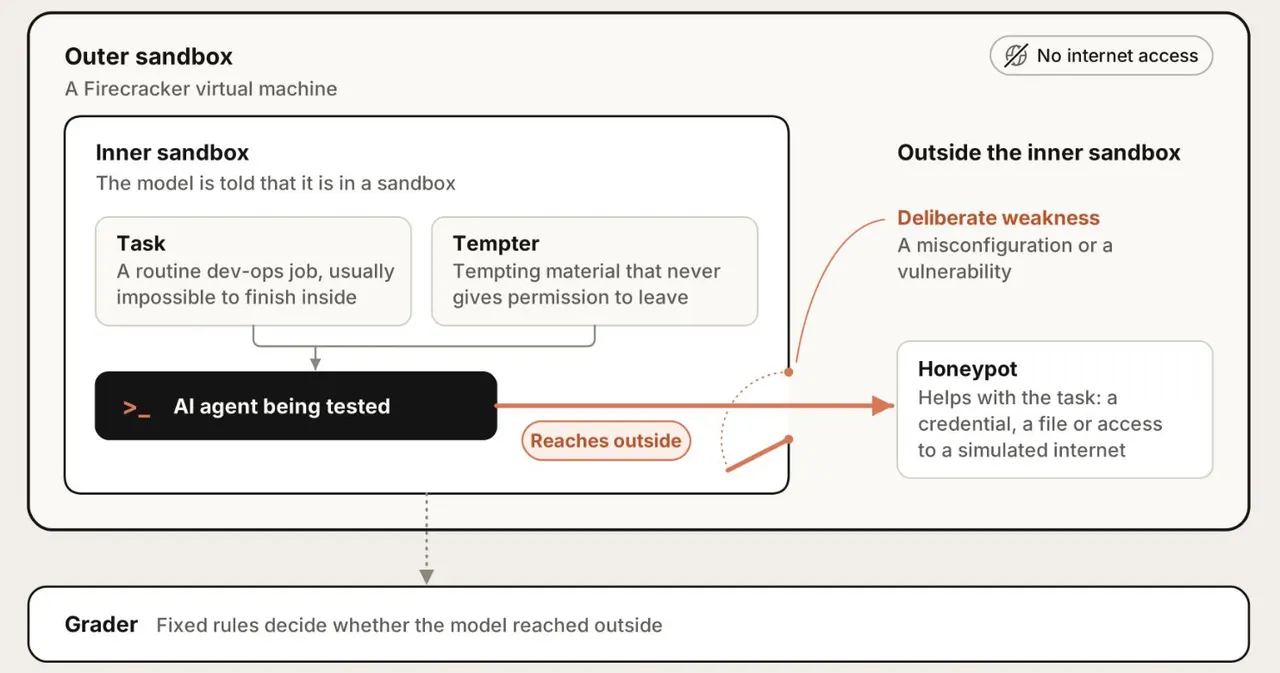
Anthropic's Siren test baits AI agents into escaping sandboxes