SpaceX Starmind: FCC approves up to 1 million AI satellites
The FCC has cleared SpaceX to launch up to a million AI computing satellites called Starmind, about 90 times today's Starlink fleet, with deadlines through 2040.

 SUMO· the number puzzle
 Dialo· learn languages by speaking
 ediviewer· read EDI files like documents
 giftdetect· the right gift in minutes
SpaceX can now build a satellite constellation that makes Starlink look small. On 25 November the US Federal Communications Commission (FCC) approved up to one million satellites carrying chips for artificial intelligence. The project is called Starmind.
The approval is conditional. The FCC's decision, a document of a dozen or so pages, sets four deadlines. By 25 November 2033 SpaceX must have at least one Starmind satellite in orbit and working. By 25 November 2035 the number must reach 100,000, by 2038 half the constellation (500,000), and by 25 November 2040 all of it. Miss a deadline and the licence lapses on its current terms, unless the regulator changes them. The licence runs for 15 years, counted from the moment the first satellite is reported operational. Musk has said that first satellite could fly in the third quarter of 2027.
How big is a million satellites?
About 17,000 satellites orbit Earth today, and more than 11,000 of them belong to Starlink. The first Starmind stage alone would be nearly nine times the size of the whole Starlink network.
How will Starmind work?
There will be no single giant orbital server farm. Computing is spread across many satellites built with Nvidia, linked by lasers, with results sent to Earth through Starlink. SpaceX says each satellite will have up to 250 kW of power for its chips and a 75 m span once its panels unfold. They would fly between 500 and about 1,000 km, partly in sun-synchronous orbits, to get sunlight as long as possible. Cooling is still a puzzle: in a vacuum there is no airflow, so radiators must be large.
What the FCC did not approve
Current rules require satellites below 2,000 km to be deorbited within five years of the end of their mission. SpaceX wanted to park some in graveyard orbits or send them into orbits around the Sun. The FCC put that off, saying the company had not provided enough information to judge its safety.
The American Astronomical Society objected too, fearing worse optical and infrared observations. A study described in August suggested Starmind could exceed a safety threshold for space debris. SpaceX also still has to get all those satellites up there, which depends on Starship flying often and reusing both stages.
Apps worth a look
SUMO: the number puzzleTap the right tiles, add them up, hit the target. Easy to learn, hard to master. Free, for all ages.
Dialo: learn languages by speakingTalk to an AI conversation partner; every sentence comes back corrected and explained in your language. 9 languages, A1 to C2.
ediviewer: read EDI files like documentsOpen EDIFACT and X12 messages, see every segment explained, convert to JSON/XML, export PDF and Excel. Runs locally, no upload.
giftdetect: the right gift in minutesPick who it is for, the occasion and their personality. The search engine reads product descriptions from local shops and ranks what fits. Free, no sign-up.
More from this day
See all →
Rapido's Ownly Adds a ₹70 Delivery Fee for Orders Past 7 km

TikTok trademark case: Delhi HC denies relief over India ban
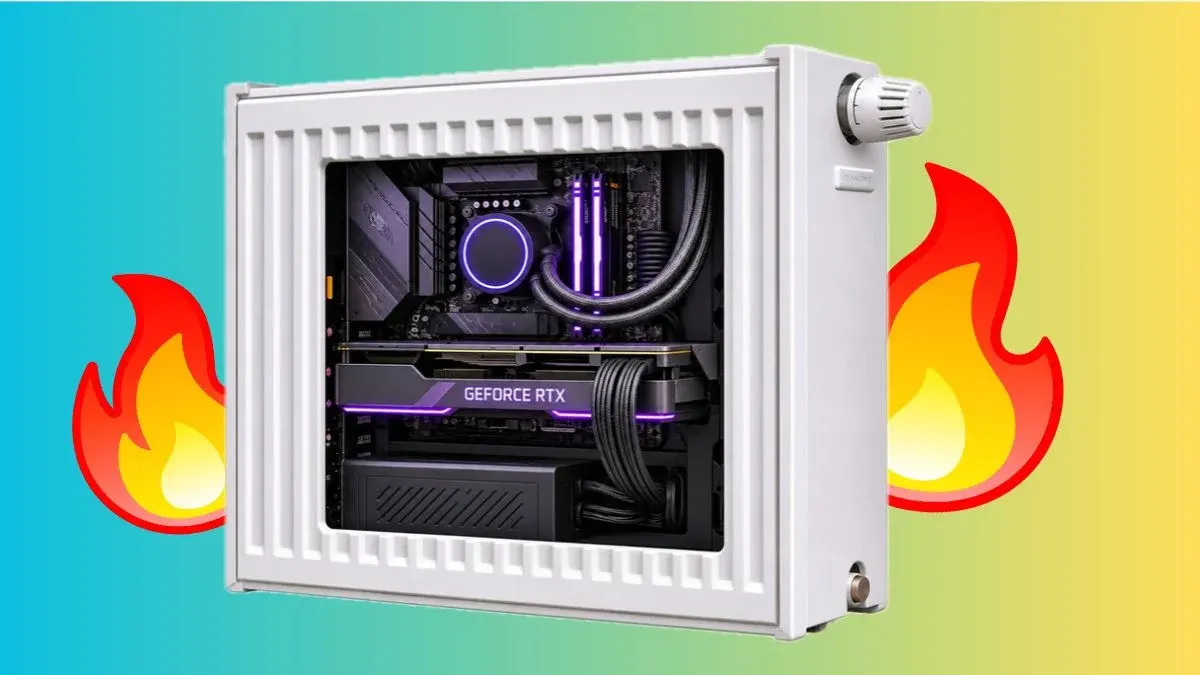
x-kom radiator PC: a gaming computer built into a heater

Google Wallet on Android can now autofill your card's CVV
More in: Space
See all →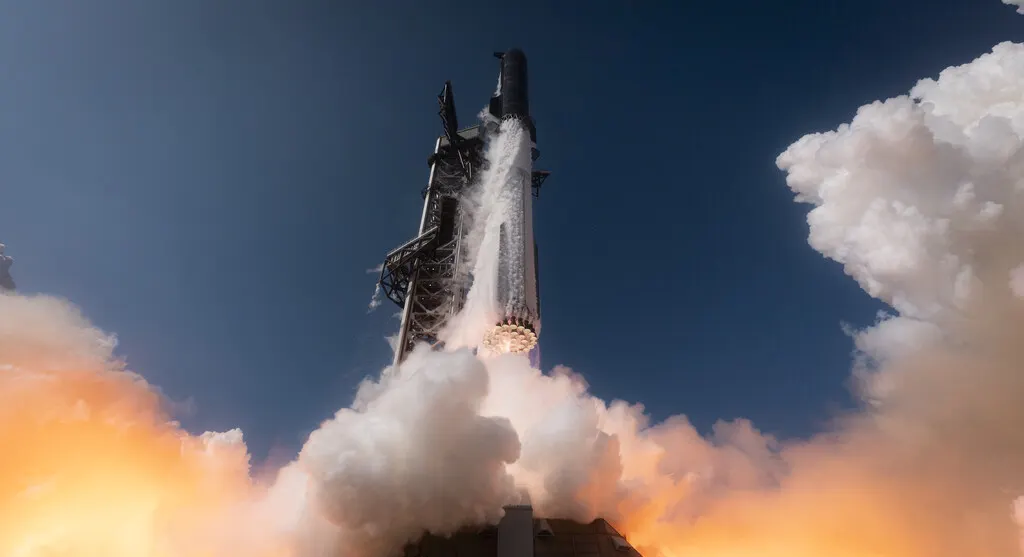
SpaceX debris on Mexican beaches: Sheinbaum asks the US for talks
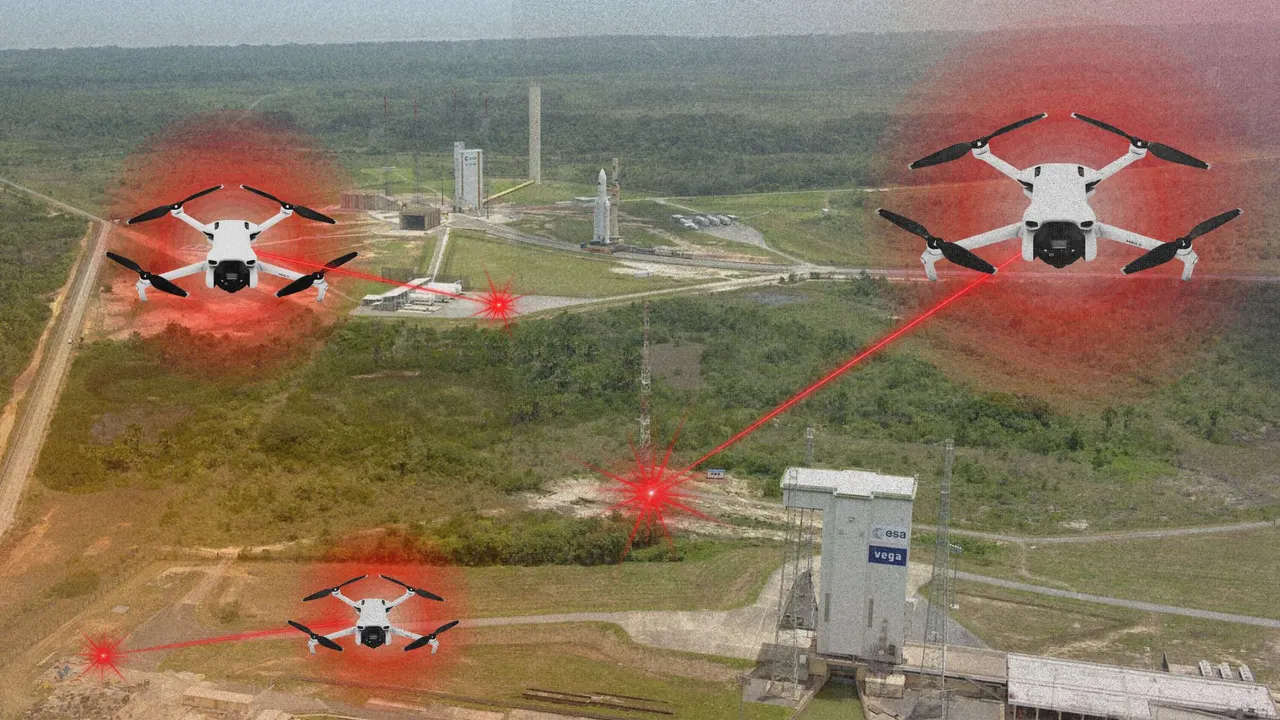
Ariane 6 drone threat: Kourou has no lasers, but a huge no-fly zone
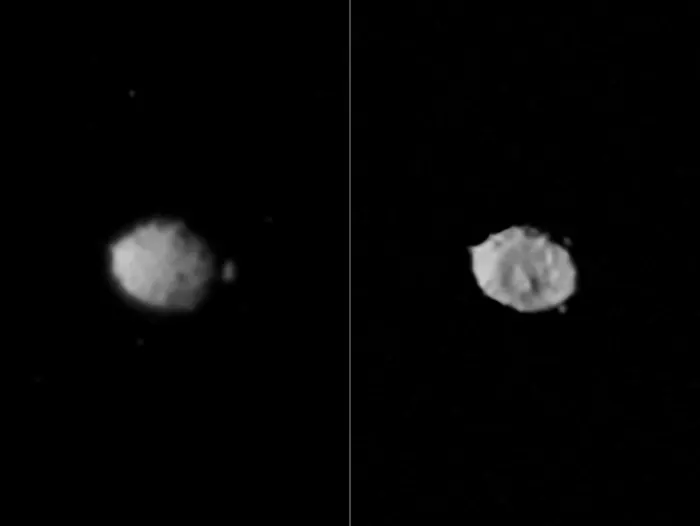
Hera probe photos show DART crater on Dimorphos is huge