Tiangong laser cutting test: China's first precision cut in orbit
China says it has cut metal with a precision laser on a robotic arm outside Tiangong. It could mean repairs in orbit, but some in the US see a possible weapon.

 SUMO· the number puzzle
 Dialo· learn languages by speaking
 ediviewer· read EDI files like documents
 giftdetect· the right gift in minutes
China says it has done something nobody else has managed: a precision laser cut in orbit. The tool sat on a robotic arm on the Tiangong space station, and engineers on the ground ran it remotely.
The device was built by Huazhong University of Science and Technology (HUST) and the Shanghai Institute of Space Power Sources. According to the Chinese side, it took only a year to turn an early prototype into hardware fit for spaceflight. Once on Tiangong, it made millimetre-precise cuts in a large piece of equipment sitting in the vacuum of space.
There is a catch. All the information comes from China, and there are no public reports or data that allow independent checks. That doesn't make it false, but it calls for some caution. A Russian outlet claims the cut actually happened last July, though that is unconfirmed.
What is a laser cutter in orbit useful for?
Mainly repairs. Fixing spacecraft, or Tiangong itself, directly in orbit would mean no need to bring replacement parts up from Earth. That could also let the station grow much faster.
US scientists have run precision laser cutting experiments too, but only in labs on the ground. The only US welding in space dates to 1973 on Skylab, and it used an electron beam, not a laser. The Soviet Union also made repairs in orbit, with electrons and plasma arc. For now, a laser seems to be a Chinese first.
Why is it worrying some people?
HUST is on the US Entity List, which covers foreign people and organisations Washington considers a national security risk and subjects to export limits. A recent report from the US Defense Intelligence Agency also suggested China could deploy directed-energy weapons in space by the end of the decade. The mechanism would be similar to this test, with a very different aim.
Could it be used against foreign spacecraft? Perhaps, but that is not among China's stated intentions. Anything beyond that is speculation, and the next real step is a scientific paper with the details.
Apps worth a look
SUMO: the number puzzleTap the right tiles, add them up, hit the target. Easy to learn, hard to master. Free, for all ages.
Dialo: learn languages by speakingTalk to an AI conversation partner; every sentence comes back corrected and explained in your language. 9 languages, A1 to C2.
ediviewer: read EDI files like documentsOpen EDIFACT and X12 messages, see every segment explained, convert to JSON/XML, export PDF and Excel. Runs locally, no upload.
giftdetect: the right gift in minutesPick who it is for, the occasion and their personality. The search engine reads product descriptions from local shops and ranks what fits. Free, no sign-up.
More from this day
See all →
Character.AI bankruptcy: 42 attorneys general fight user data sale

WhatsApp eSIM: you'll soon buy travel data inside the app

GPTZero vs Pangram: AI text detectors fooled by a few edited phrases

schnipp app: researchers want quiet students to speak up in class
More in: Space
See all →
AT2025abao: a red giant swallowed its smaller companion
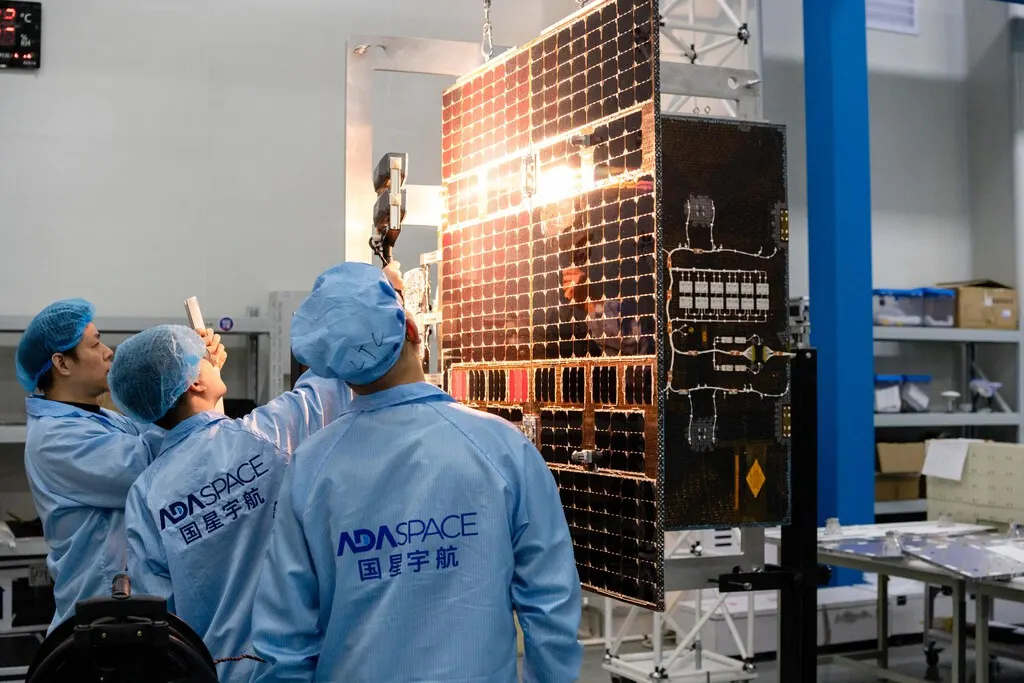
ADAspace Libra satellite trained an AI model in orbit for 45 minutes
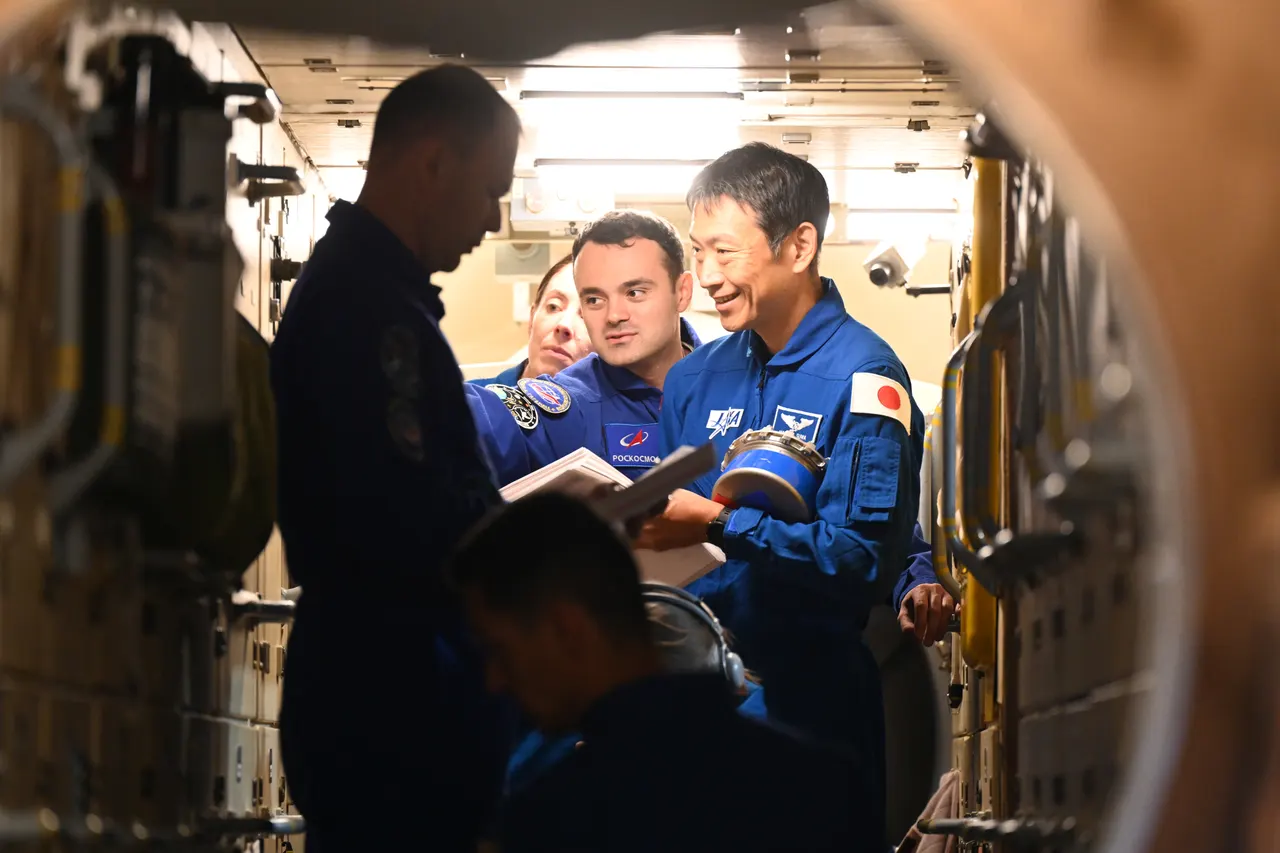
JAXA astronaut recruitment 2027: Japan will hire again after five years