ADAspace Libra satellite trained an AI model in orbit for 45 minutes
China's ADAspace says its Libra satellite ran a full training process on Alibaba's Qwen3-32B for 45 minutes in a single orbit. It is not the same as training from scratch.
 SUMO· the number puzzle
 Dialo· learn languages by speaking
 ediviewer· read EDI files like documents
 giftdetect· the right gift in minutes
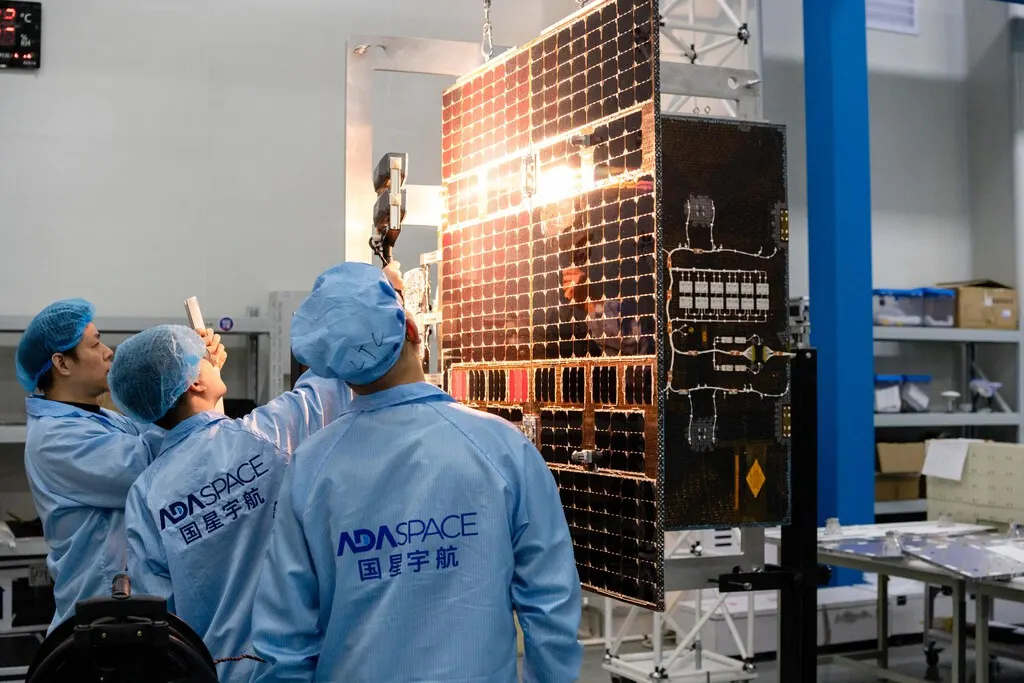
China's ADAspace says its Libra satellite has trained an AI model in orbit, at least in part. According to the company, the satellite kept a training process covering all the parameters of Alibaba's Qwen3-32B running for 45 minutes and 33 seconds, within a single orbit.
The result comes from tests carried out by the China Academy of Information and Communications Technology (CAICT), announced on 25 November and detailed in a statement this Thursday. Qwen3-32B has about 32.8 billion parameters, the numbers a model adjusts as it learns.
Is this really AI training in space?
Sort of. Sending a finished model into orbit and having it answer questions is called inference. Training is harder: the hardware must also work out how to change the parameters to cut errors. ADAspace says all of that was done in orbit and that the measured error fell during the test. But the company's results do not mean Alibaba's model was trained from scratch in space.
How do you cool a computer in a vacuum?
The satellites fly in orbits near the line between day and night on Earth, so they get long exposure to sunlight. For cooling, liquid circuits carry heat to deployable radiators, which shed it as thermal radiation. ADAspace says this can handle computing gear of around 10 kW. The satellites also carry high-speed laser links.
They belong to a project called Star-Compute, which aims to build a network of 2,800 satellites sharing processing power for AI tasks. The first twelve launched in May 2025, together with the research institute Zhejiang Lab, and eight more reached orbit on 14 October. A third batch is planned before the end of 2026.
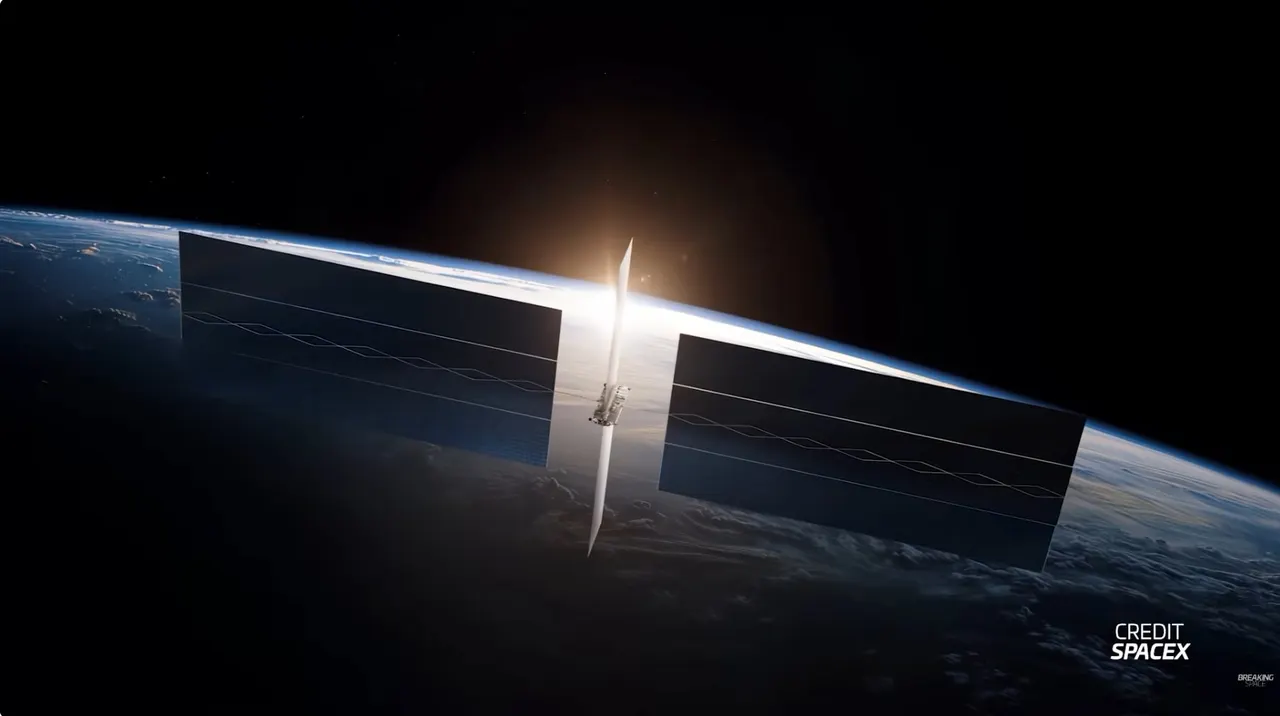
Others are racing too. Google's Project Suncatcher has produced a response from its Gemma 4 model aboard a satellite with its own TPU chips. Starcloud put an NVIDIA H100 GPU in orbit in November 2025 and later said it trained a far smaller model, nanoGPT. SpaceX's Starmind, planning up to a million computing satellites, just received conditional FCC approval.
Commercial orbital data centres are still far off. A US Government Accountability Office report from April lists launch costs, radiation damage to electronics and the difficulty of repairing or replacing hardware. Whether they can compete on cost with ground-based ones is still unproven.
Apps worth a look
SUMO: the number puzzleTap the right tiles, add them up, hit the target. Easy to learn, hard to master. Free, for all ages.
Dialo: learn languages by speakingTalk to an AI conversation partner; every sentence comes back corrected and explained in your language. 9 languages, A1 to C2.
ediviewer: read EDI files like documentsOpen EDIFACT and X12 messages, see every segment explained, convert to JSON/XML, export PDF and Excel. Runs locally, no upload.
giftdetect: the right gift in minutesPick who it is for, the occasion and their personality. The search engine reads product descriptions from local shops and ranks what fits. Free, no sign-up.
More from this day
See all →
YouTube warns creator over a Firefox link in a six-year-old video

Black Friday deals are weaker this year as memory chip prices soar

Neuralink brain implant gets FDA approval for pivotal trial

Vodafone price clause ruled invalid, 121,000 want refunds
More in: Space
See all →
JAXA astronaut recruitment 2027: Japan will hire again after five years
FCC approves SpaceX Starmind: up to 1 million AI satellites by 2040

SpaceX Starmind: FCC Approves 1 Million Data Center Satellites