Neuralink brain implant gets FDA approval for pivotal trial
The FDA has cleared Neuralink to run the kind of study that can lead to market approval for its brain implant, after earlier feasibility studies.
 SUMO· the number puzzle
 Dialo· learn languages by speaking
 ediviewer· read EDI files like documents
 giftdetect· the right gift in minutes
Neuralink's brain implant has moved from testing the idea to collecting the evidence regulators actually need. The US Food and Drug Administration (FDA) has approved a pivotal trial, the kind of study whose data can support an application to sell a medical device.
Until now, the company has run feasibility studies. Those are early, smaller trials meant to show that a device can be implanted and works well enough to justify bigger tests. The new approval lets Neuralink gather clinical data specifically for market authorisation of the implant.
What is a pivotal trial?
A pivotal, or registration-relevant, trial is the step where a manufacturer has to prove to the regulator that a device is safe and does what it claims. The results go into the approval file. Passing this stage does not mean the implant is on sale. It means the company is now allowed to produce the data that could get it there.
What happens next?
The information available so far is thin. The approval itself has been reported, but details such as the number of participants, the sites involved and the timeline are not part of what we have, so none of them are stated here. Those specifics will show how quickly the study can move, and what the implant is meant to be approved for.
Apps worth a look
SUMO: the number puzzleTap the right tiles, add them up, hit the target. Easy to learn, hard to master. Free, for all ages.
Dialo: learn languages by speakingTalk to an AI conversation partner; every sentence comes back corrected and explained in your language. 9 languages, A1 to C2.
ediviewer: read EDI files like documentsOpen EDIFACT and X12 messages, see every segment explained, convert to JSON/XML, export PDF and Excel. Runs locally, no upload.
giftdetect: the right gift in minutesPick who it is for, the occasion and their personality. The search engine reads product descriptions from local shops and ranks what fits. Free, no sign-up.
More from this day
See all →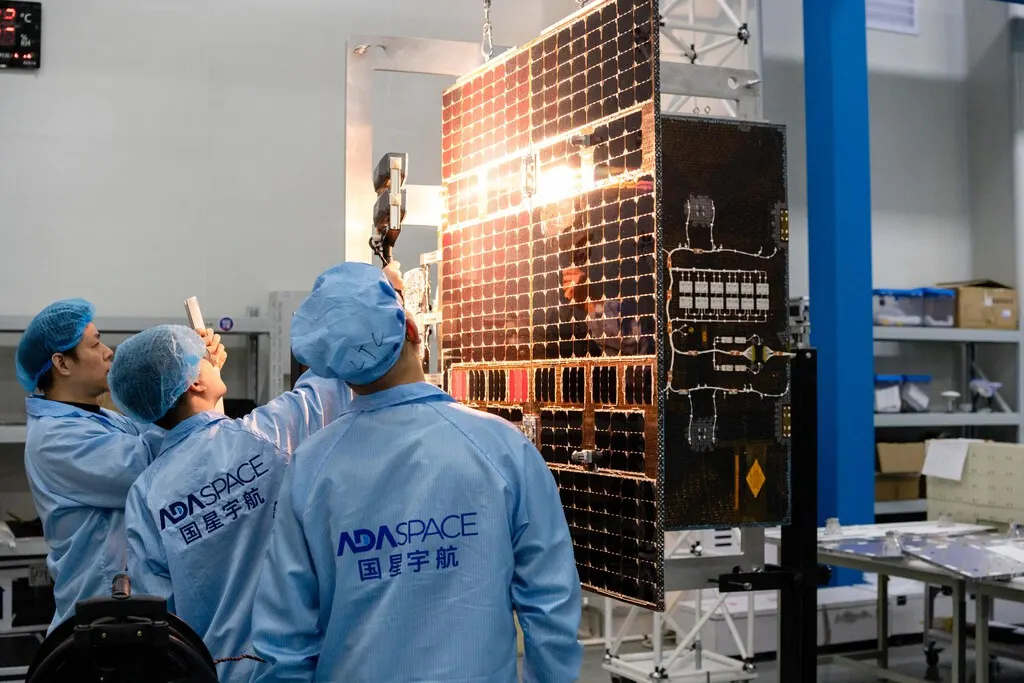
ADAspace Libra satellite trained an AI model in orbit for 45 minutes
Black Friday deals are weaker this year as memory chip prices soar

Vodafone price clause ruled invalid, 121,000 want refunds
Raul John Aju, India's 'AI Kid', takes a selfie with Putin at 17
More in: Science
See all →
UMV robot bike rides a Swiss mountain trail with no rider

Caltech nanobots cross the blood-brain barrier to carry cancer drug

Oracle bone script reward: China pays up to 100,000 yuan per character