Oracle bone script reward: China pays up to 100,000 yuan per character
China will pay up to 100,000 yuan to anyone who cracks a single unread oracle bone character. In nine years, only seven people have won.
 SUMO· the number puzzle
 Dialo· learn languages by speaking
 ediviewer· read EDI files like documents
 giftdetect· the right gift in minutes
Decipher one ancient character and China will hand you 100,000 yuan, roughly 13,000 euros. The catch is that almost nobody manages it. The oracle bone script reward has been on offer since 2016, and only seven scholars have collected a prize.
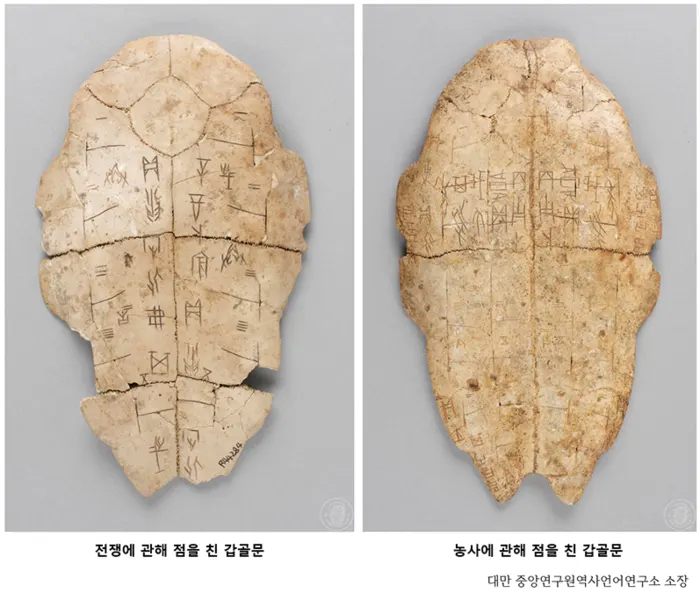
Oracle bone script is writing carved into turtle shells and animal bones about 3,000 years ago, in the Shang dynasty along the Yellow River. People used it to ask about war, sacrifices, harvests, weather and illness, then recorded the answers on the bone. It is the oldest mature writing system found in China.
Of the more than 4,000 characters discovered, only about 1,500 have been read. Zheng Xianzhang, a vice president of Hunan Normal University, recently pointed out that the rest remain unread and that even scholars who spend a lifetime on the problem rarely settle one.
How does the oracle bone script prize work?
The Chinese Characters Museum launched the scheme in 2016 to boost research. A newly deciphered character that passes expert review earns 100,000 yuan. A new reading of a character that is already interpreted but disputed earns 50,000 yuan, about 6,500 euros.
Guessing from a character's shape does not count. Applicants must submit a paper covering the form, pronunciation, meaning and links to ancient texts, get backing from two full professors, and pass an expert committee.
The first round, announced in 2018, had two winners. Gu Wenzi scholar Zhang Yubin took the top prize for showing that a character placed before tribe or state names means "to wriggle" or "stir up trouble". The 2024 round named five winners, including Chen Jian and Zhou Zhongbing of Fudan and Jilin universities, who took first prizes. In total, three people got 100,000 yuan and four got 50,000.
Why is it so hard?
Zhang told Xinhua the easy characters are already solved. What is left is hard, and the known material is too thin to give clues. Museum director Huang Dekuan adds that questions remain about how many artifacts have been found and when they were made.
Money alone will not fix that, critics say. They want steady research funding, trained specialists and databases. The museum is also encouraging researchers to apply AI and big data to the old script.
Apps worth a look
SUMO: the number puzzleTap the right tiles, add them up, hit the target. Easy to learn, hard to master. Free, for all ages.
Dialo: learn languages by speakingTalk to an AI conversation partner; every sentence comes back corrected and explained in your language. 9 languages, A1 to C2.
ediviewer: read EDI files like documentsOpen EDIFACT and X12 messages, see every segment explained, convert to JSON/XML, export PDF and Excel. Runs locally, no upload.
giftdetect: the right gift in minutesPick who it is for, the occasion and their personality. The search engine reads product descriptions from local shops and ranks what fits. Free, no sign-up.
More from this day
See all →
FIFA cyberattack: hackers claim 12 GB, but not Infantino's deal
Gribshunden wreck: chain mail found on Danish king's warship

League of Legends Esports Manager shuts down after 4.5 years