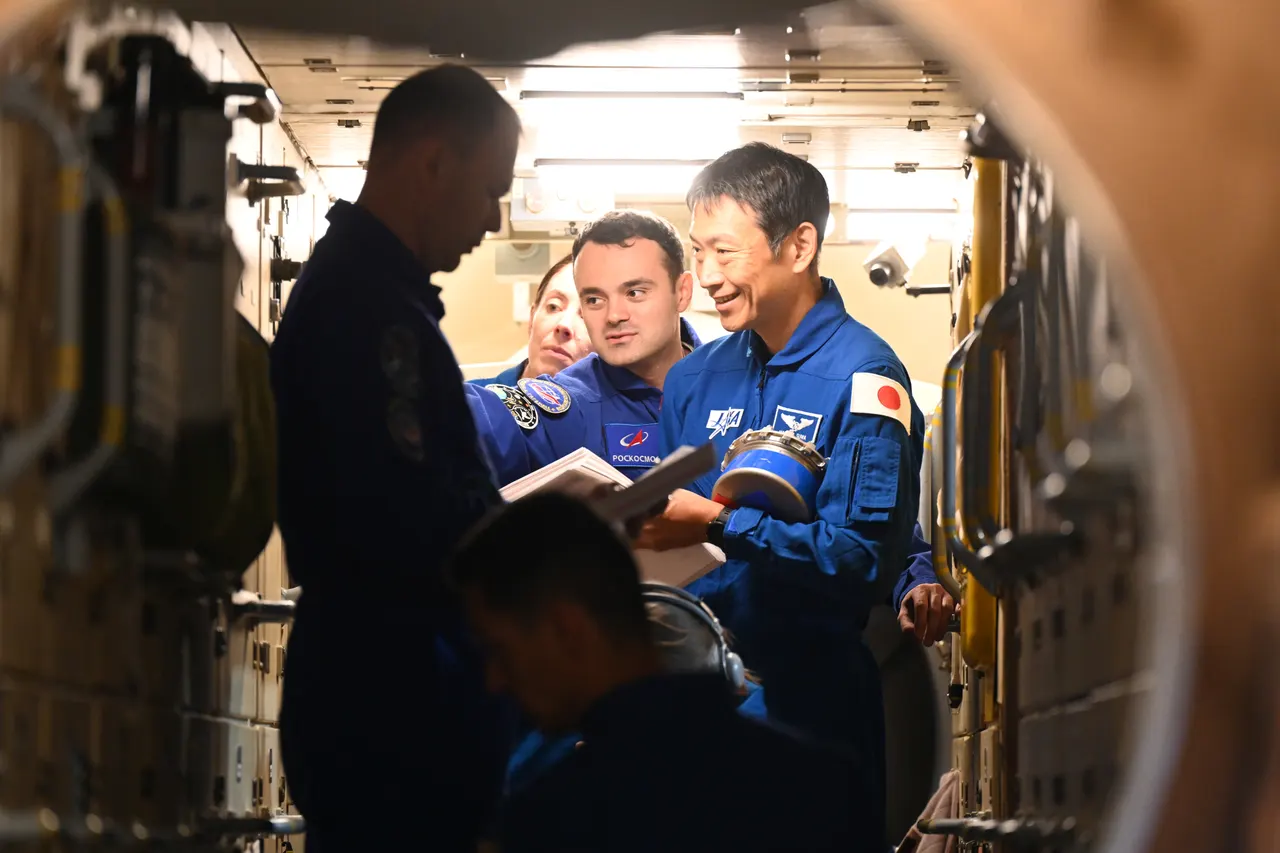
Hera probe photos show DART crater on Dimorphos is huge
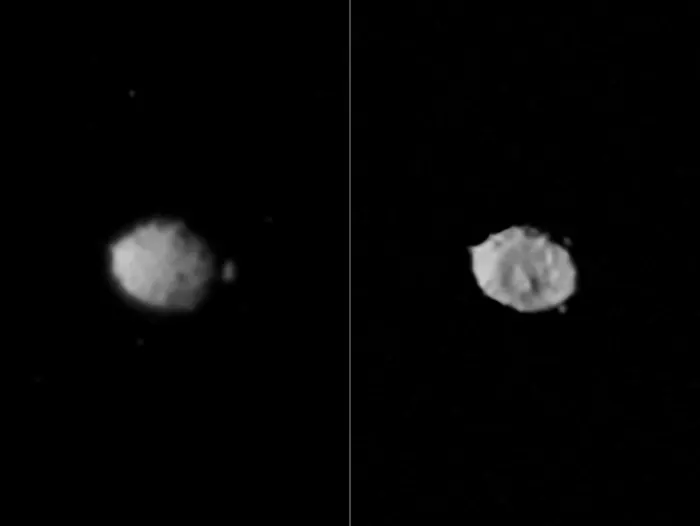
Hera's first photos of asteroid Dimorphos show a stadium-sized crater, nearly as wide as the asteroid itself, left by NASA's 2022 DART crash.
 SUMO· the number puzzle
 Dialo· learn languages by speaking
 ediviewer· read EDI files like documents
 giftdetect· the right gift in minutes
When NASA smashed a spacecraft into an asteroid on purpose, nobody could see exactly what it left behind. Now the first photos from ESA's Hera probe show a crater the size of a stadium on the asteroid Dimorphos. Scientists say it is about as big as the asteroid itself.
What did the DART crash do to Dimorphos?
In September 2022, NASA's DART spacecraft hit Dimorphos at roughly 22,000 km/h. The goal was to find out whether a impact could change an asteroid's orbit. Dimorphos is about 150 metres across and circles a larger asteroid, Didymos, which is about 730 metres wide. Neither threatened Earth. They were simply a good test pair.
It worked. Dimorphos used to orbit Didymos in 11 hours 55 minutes, and the trip now takes about 33 minutes less. The debris also streamed out into a tail about 10,000 km long, which telescopes on Earth and in space could see.
The odd part is how Dimorphos moves now. Planetary scientist Sabina Raducan of the Hera team says it used to keep one face toward Didymos, like the Moon does with Earth. Today it tumbles irregularly, "like a barrel rolling down stairs". She called it incredibly exciting to finally see what happened.
What will Hera do next?
One of Hera's main jobs is to measure Dimorphos's mass. Combined with the orbit change, that tells engineers how big a spacecraft, and how fast, they would need to nudge a future asteroid away from Earth.
Hera also photographed Didymos. Its surface gravity is only about 1/40,000 of Earth's, yet car-sized and bus-sized boulders sit on it. There is a hazard too: hundreds of rocks, from tens of centimetres to several metres wide, float around both asteroids. They could complicate the probe's approach and its small satellites.
Hera will spend the next six months studying the pair. Its two small satellites will inspect the impact site up close and then land on the surface.
Carolyn Ernst of Johns Hopkins University's Applied Physics Laboratory says the biggest asteroids are largely found and none is heading our way, but some mid-sized ones are still unlocated. NASA plans to launch its NEO Surveyor telescope next year to hunt for them, and is preparing to study the asteroid Apophis, which passes about 32,000 km from Earth on 13 April 2029.
Apps worth a look
SUMO: the number puzzleTap the right tiles, add them up, hit the target. Easy to learn, hard to master. Free, for all ages.
Dialo: learn languages by speakingTalk to an AI conversation partner; every sentence comes back corrected and explained in your language. 9 languages, A1 to C2.
ediviewer: read EDI files like documentsOpen EDIFACT and X12 messages, see every segment explained, convert to JSON/XML, export PDF and Excel. Runs locally, no upload.
giftdetect: the right gift in minutesPick who it is for, the occasion and their personality. The search engine reads product descriptions from local shops and ranks what fits. Free, no sign-up.
More from this day
See all →
Windows 11 Copilot apps People, Files and Calendar shut down Dec 16

Danawa down for a second day after a suspected breach

Amateur astronomer finds exoplanet candidate using Codex AI

Texas data center backlash helped unseat Governor Abbott
More in: Space
See all →
Tiangong laser cutting test: China's first precision cut in orbit
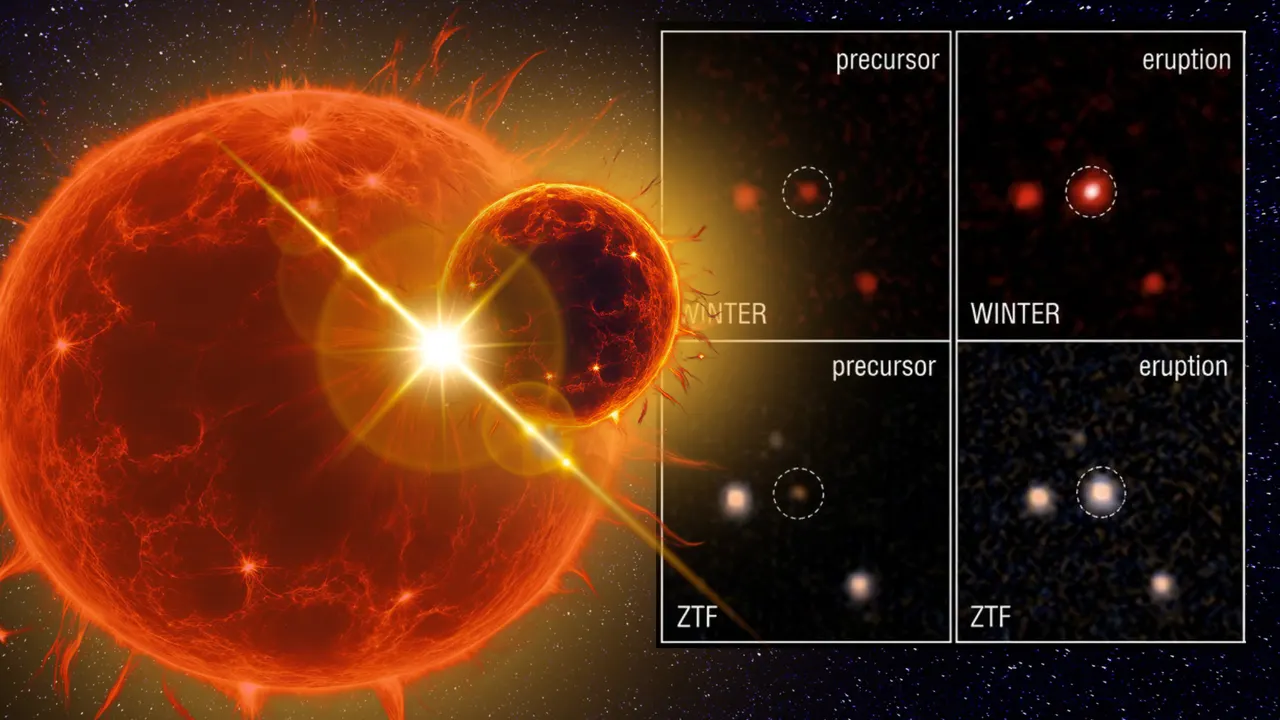
AT2025abao: a red giant swallowed its smaller companion
ADAspace Libra satellite trained an AI model in orbit for 45 minutes