SpaceX Starmind: FCC approves 1 million satellites for orbit
The FCC has cleared SpaceX's Starmind constellation of up to 1 million satellites for space data centres. Scientists warn about debris, emissions and the night sky.
 SUMO· the number puzzle
 Dialo· learn languages by speaking
 ediviewer· read EDI files like documents
 giftdetect· the right gift in minutes
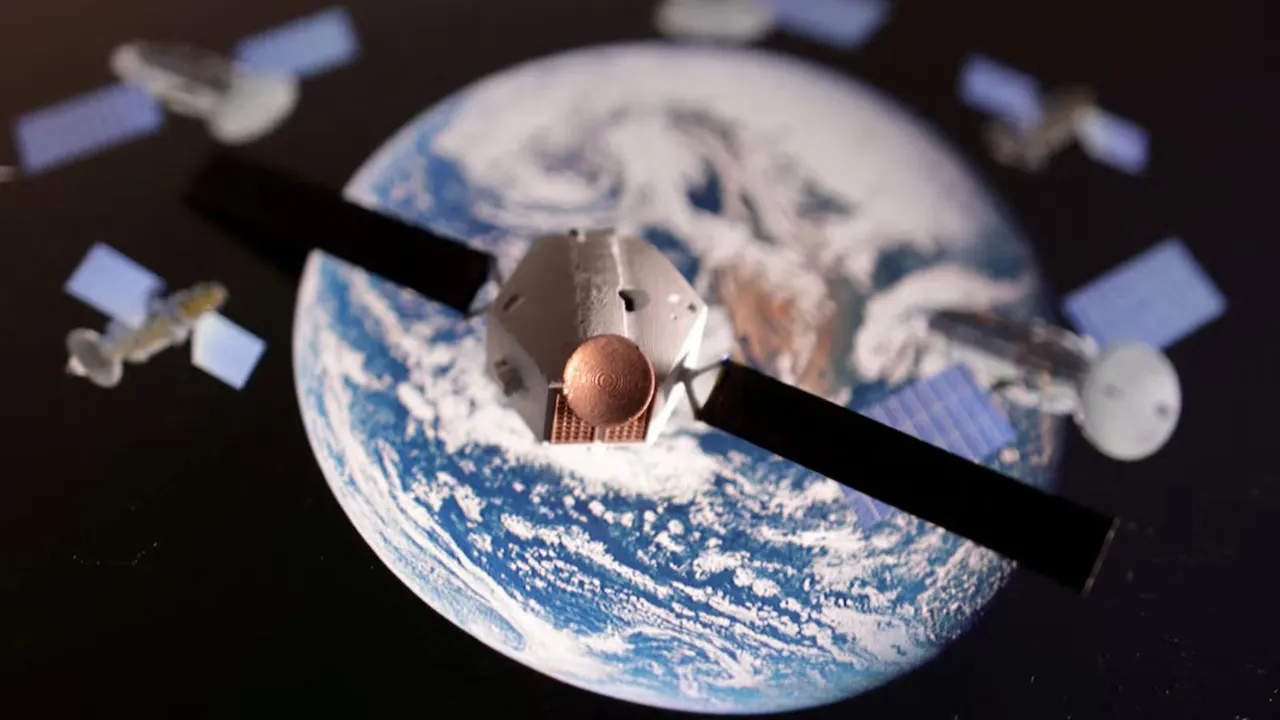
The US Federal Communications Commission has approved SpaceX's Starmind constellation: up to 1 million satellites, built to run data centres in orbit. For scale, Starlink has just over 11,000 satellites in space today.
The FCC said the approval will help meet fast-growing demand for AI computing. Starmind is central to Elon Musk's idea of moving energy-hungry AI computing into space, powered by solar energy. Yet SpaceX itself told investors before its stock market listing that space-based data centres rely on unproven technology and may not be commercially viable.
What would 1 million satellites do to the environment?
Nobody agrees. University College London researchers estimate that a million satellites could raise emissions from launches and re-entries by roughly 70 to 150 times current levels, with possible effects on ozone, climate and air quality. They say SpaceX's filing lacked the information to assess this.
The FCC said rocket emissions are outside its purview and called concerns about satellites burning up on re-entry "speculative". SpaceX says it will start at lower altitudes for testing, use onboard propulsion to dodge collisions and deorbit, and aim controlled re-entries over oceans.
The numbers still bite. Professor Hugh Lewis of the University of Birmingham says even a 1% failure rate could leave thousands of dead satellites in orbit every year. The European Space Agency counts more than 231 million debris objects between 1 millimetre and 10 centimetres up there already.
What about the night sky?
The American Astronomical Society says Starmind would undermine decades of public investment in observatories. Lewis notes that some satellites would sit in sun-synchronous orbits and always be lit, which could contaminate astronomical images. Simulations shared by Virginia Tech's Shane Ross show bands of satellites that could outnumber visible stars. The FCC turned down requests for extra conditions.
Will it really reach 1 million?
Not quickly. The most satellites SpaceX has put on a single rocket is 143. Operators often ask for more than they plan to fly: SpaceX sought 42,000 for Starlink. The FCC wants the first Starmind satellite up by November 2033, half by 2038 and the full fleet by 2040. No one has ever sent 1 million objects into space.
Apps worth a look
SUMO: the number puzzleTap the right tiles, add them up, hit the target. Easy to learn, hard to master. Free, for all ages.
Dialo: learn languages by speakingTalk to an AI conversation partner; every sentence comes back corrected and explained in your language. 9 languages, A1 to C2.
ediviewer: read EDI files like documentsOpen EDIFACT and X12 messages, see every segment explained, convert to JSON/XML, export PDF and Excel. Runs locally, no upload.
giftdetect: the right gift in minutesPick who it is for, the occasion and their personality. The search engine reads product descriptions from local shops and ranks what fits. Free, no sign-up.
More from this day
See all →
Credit card skimming via WebRTC found at online shops on Black Friday

X parental controls: parents can now set teens' screen time
Apple must hand Epic Games 3,200 documents in App Store fight

Google Play developer address and phone number plan under review
More in: Space
See all →
SpaceX Starmind: FCC approves up to 1 million AI satellites
SpaceX debris on Mexican beaches: Sheinbaum asks the US for talks

Ariane 6 drone threat: Kourou has no lasers, but a huge no-fly zone