GigaChat writes Gogol's burnt Dead Souls sequel, and critics are cold
Gogol burned the second volume of Dead Souls days before he died in 1852. Sber's GigaChat has now written its own version, and readers are split.

 SUMO· the number puzzle
 Dialo· learn languages by speaking
 ediviewer· read EDI files like documents
 giftdetect· the right gift in minutes
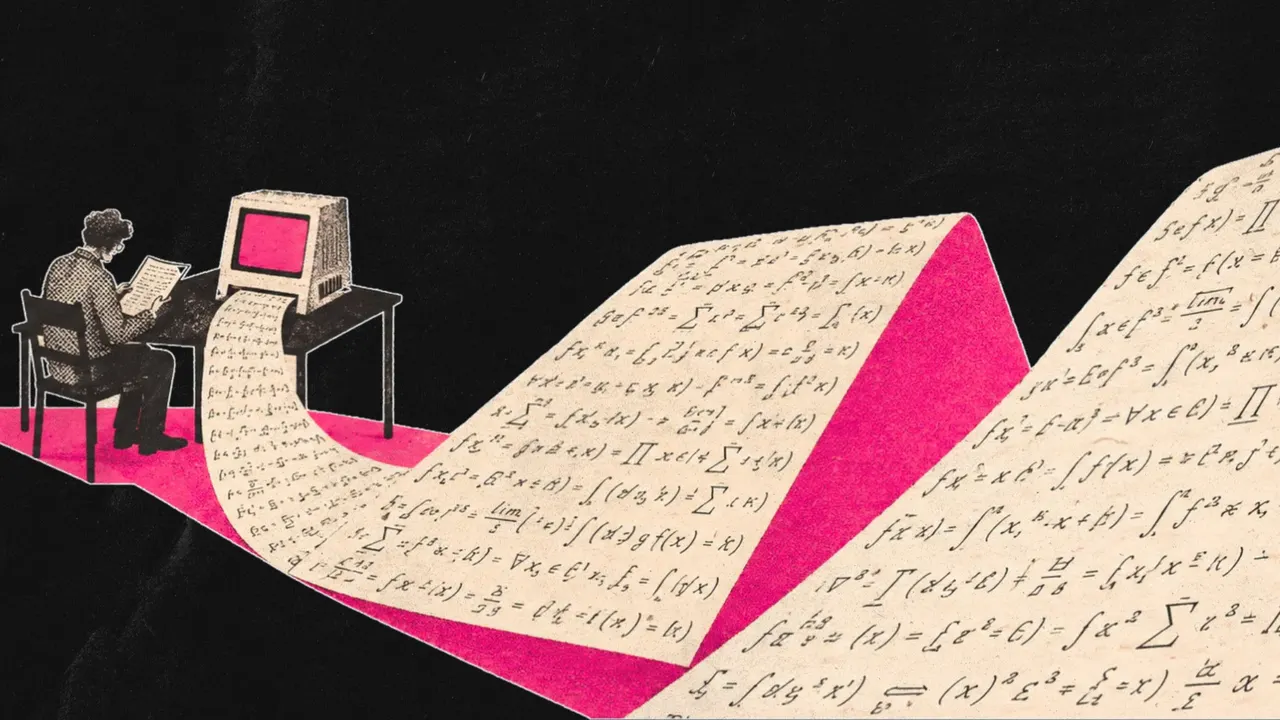
Nikolai Gogol threw part of his manuscript into the fire days before he died in 1852. Now an AI model called GigaChat has written its own version of the missing volume of Dead Souls, and not everyone is thrilled.
The new book is called "Dead Souls: Revival". GigaChat was developed by Sber, the Russian banking and tech group. Linguists, engineers and historians worked on the project, and the project lead, Vladislav Otroshenko, told Reuters it took about four months for the machine to develop a plausible literary style. In his view it handled the artistic side, and the plot in particular, very well. He calls the book a bestseller and says it has artistic value because it is the first experiment of its kind.
What is Dead Souls, and what went missing?
Gogol was born in what is now Ukraine, then part of the Russian empire, and wrote his major works in Russian. Both countries claim him. He is known for satire and dark comedy.
The first part of Dead Souls survives. It follows the swindler Chichikov, who runs a scam built on "buying" dead serfs who are still registered as belonging to their landlords. Gogol planned three volumes in which the hero would find moral regeneration. Tortured by creative and spiritual doubts, he never finished them, and only the first remained intact.
Do readers like the AI version?
Opinions differ. Igor, a Muscovite at the book launch, said it felt true to the spirit of the original and that Gogol fans can now compare it and see how Chichikov's adventures ended. Larisa, visiting the Gogol Museum in Moscow, said AI cannot recover what was lost: "It will not move me and I don't even want to read it."
Gogol expert Artyom Nikitin makes a sharper point. By the same logic, he says, AI could write sequels to any number of works. But a literary work does not automatically follow from everything an author wrote before. Knowing a writer's language, style and plot lines, he argues, does not tell us what they would have written next.
Apps worth a look
SUMO: the number puzzleTap the right tiles, add them up, hit the target. Easy to learn, hard to master. Free, for all ages.
Dialo: learn languages by speakingTalk to an AI conversation partner; every sentence comes back corrected and explained in your language. 9 languages, A1 to C2.
ediviewer: read EDI files like documentsOpen EDIFACT and X12 messages, see every segment explained, convert to JSON/XML, export PDF and Excel. Runs locally, no upload.
giftdetect: the right gift in minutesPick who it is for, the occasion and their personality. The search engine reads product descriptions from local shops and ranks what fits. Free, no sign-up.