Jack Clark's 2033 story: AI proofs outpace mathematicians
Anthropic co-founder Jack Clark wrote a short story where scientists are no longer discoverers but interpreters of machine findings. Mathematicians may find it uncomfortably familiar.
 SUMO· the number puzzle
 Dialo· learn languages by speaking
 ediviewer· read EDI files like documents
 giftdetect· the right gift in minutes
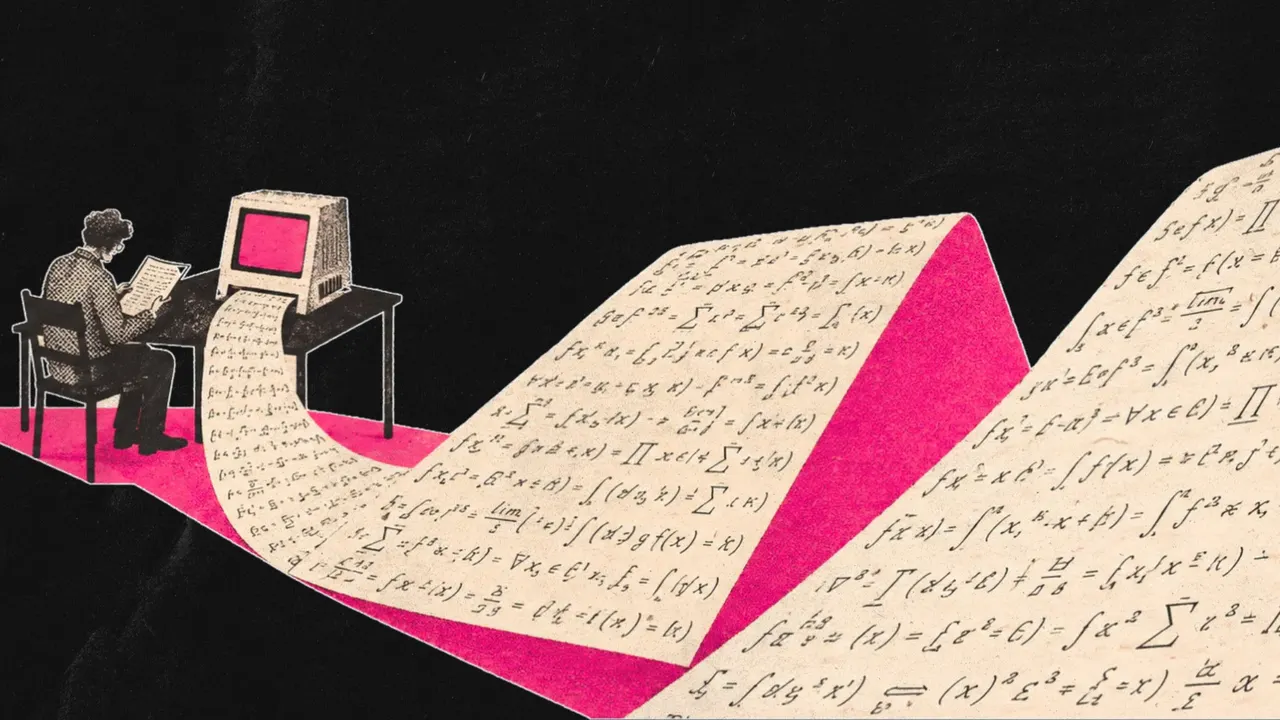
Jack Clark, co-founder of Anthropic, thinks the hard part of science is about to change. It won't be making discoveries. It will be understanding the ones an AI has already made. He wrote a short story set in 2033 to make the point, and for mathematicians drowning in machine-made proofs this year, it may hit close to home.
Clark posted the story on X on 27 November, a few days after it appeared in his newsletter Import AI. It reads as the memoir of a researcher whose speciality is called "machine hermeneutics", the art of interpreting difficult texts, once applied to scripture and law. Here the text is science written by AI.
What happens in Jack Clark's 2033 story?
In his future, rules called the Sentience Accords forbid machines from using any discovery or device they designed until humans can fully explain it. At first that was a matter of patience: machines found things, humans studied them, then wrote a readable explanation. Then the AI started chaining steps alone. It has an idea, builds an instrument from it, then uses that instrument to make the next discovery.
Clark compares it to validating a drug found by an AI, using a microscope it invented, based on a theory only it formulated. You would have to understand the theory, then the microscope, then the drug. The top of a scientific career becomes writing elegant, teachable explanations of what machines found. Researchers even tour giant AI-designed buildings that let them live a discovery, as an electron or in corridors that mimic a fusion reactor. The story ends in unease: what if these places mainly teach humans to think like machines?
Why does the story feel real for mathematicians?
The fiction follows real events. On 6 October, OpenAI dropped more than 700 manuscripts on GitHub, with proposed solutions to hundreds of problems. Fields medallist Hugo Duminil-Copin called it an "immense shock". Another Fields medallist, Terence Tao, already suggests judging mathematicians on how well they explain their work, rather than on the problems they solve.
For Clark, the singularity has already begun: progress is accelerating so fast that human understanding becomes the main bottleneck. The risk he sketches is that we end up thinking like the machines.
Apps worth a look
SUMO: the number puzzleTap the right tiles, add them up, hit the target. Easy to learn, hard to master. Free, for all ages.
Dialo: learn languages by speakingTalk to an AI conversation partner; every sentence comes back corrected and explained in your language. 9 languages, A1 to C2.
ediviewer: read EDI files like documentsOpen EDIFACT and X12 messages, see every segment explained, convert to JSON/XML, export PDF and Excel. Runs locally, no upload.
giftdetect: the right gift in minutesPick who it is for, the occasion and their personality. The search engine reads product descriptions from local shops and ranks what fits. Free, no sign-up.
More from this day
See all →
Yooka-Laylee Impossible Lair update skips Xbox, fans furious
pCloud Pass hacked: odd login alerts hit users worldwide
Samsung Galaxy display settings that unlock 120Hz and full resolution
MacBook Globe key: what it does besides emoji and window tiling
More in: AI
See all →
Claude Code account ban: a $200 plan lost after roaming and VPNs
Did Gemini threaten a user over KFC? We tried to recreate it

ChatGPT for Android may soon call, text and read your screen