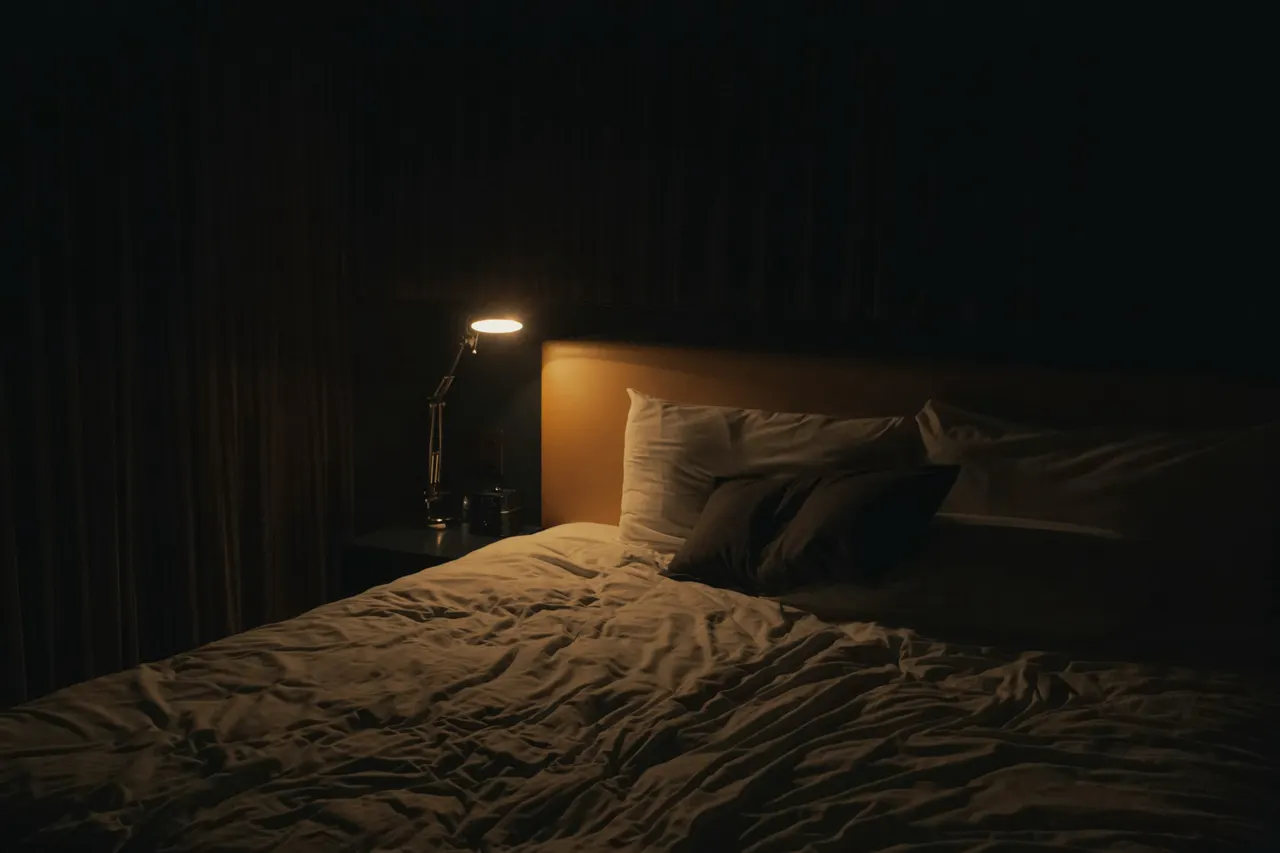
Pink noise for Alzheimer's: Spanish trial boosts memory overnight
A Spanish team played soft pulses of pink noise to Alzheimer's patients while they slept. The next morning, they remembered more word pairs than after a placebo night.
 SUMO· the number puzzle
 Dialo· learn languages by speaking
 ediviewer· read EDI files like documents
 giftdetect· the right gift in minutes
Could a quiet hiss played during sleep help people with early Alzheimer's remember more? A Spanish trial suggests it might, at least for one night.
The work comes from a consortium led by Bitbrain, a neurotechnology company in Zaragoza, together with researchers from the University of Zaragoza and other institutions. It has not yet been peer reviewed. The team recruited 37 people with symptomatic Alzheimer's in an early stage, where the only sign is mild memory loss.
Each volunteer slept two nights in controlled conditions with Bitbrain's Elevvo AudiStim system. On one night it read their brain activity (EEG) in real time and fired short bursts of sound timed to their brain waves. On the other night the stimulation was fake. Neither patients nor evaluators knew which was which. Before bed, patients had to memorise word pairs.
After the real night, they remembered the pairs better than after the placebo night. The system also boosted slow waves and fast sleep spindles, two markers of the brain's nightly plasticity, without fragmenting sleep or making it worse.
How does pink noise help memory during sleep?
Poor sleep is not only a symptom of neurodegeneration. It also speeds up cognitive decline. In deep sleep the brain consolidates recent memories and does a kind of housekeeping that clears one of the precursors of Alzheimer's.
The idea builds on earlier work at Northwestern University, where pink noise pulses timed to the rising phase of slow waves improved word recall in 13 healthy adults. A study published in 2026 tied the gain to tighter timing between slow waves and spindles, and to more activity in the parasimpathetic nervous system.
Is it a treatment yet?
No, and the authors say so. One night in a lab only shows the mechanism works in the short term. The real challenge is keeping the benefit for months and checking whether it translates into more independence for patients. The next goal is to take the technology out of the hospital and test it at patients' homes over long periods.
Apps worth a look
SUMO: the number puzzleTap the right tiles, add them up, hit the target. Easy to learn, hard to master. Free, for all ages.
Dialo: learn languages by speakingTalk to an AI conversation partner; every sentence comes back corrected and explained in your language. 9 languages, A1 to C2.
ediviewer: read EDI files like documentsOpen EDIFACT and X12 messages, see every segment explained, convert to JSON/XML, export PDF and Excel. Runs locally, no upload.
giftdetect: the right gift in minutesPick who it is for, the occasion and their personality. The search engine reads product descriptions from local shops and ranks what fits. Free, no sign-up.
More from this day
See all →
Sanxingdui: Future Past, China's AI-made film, flops at the box office
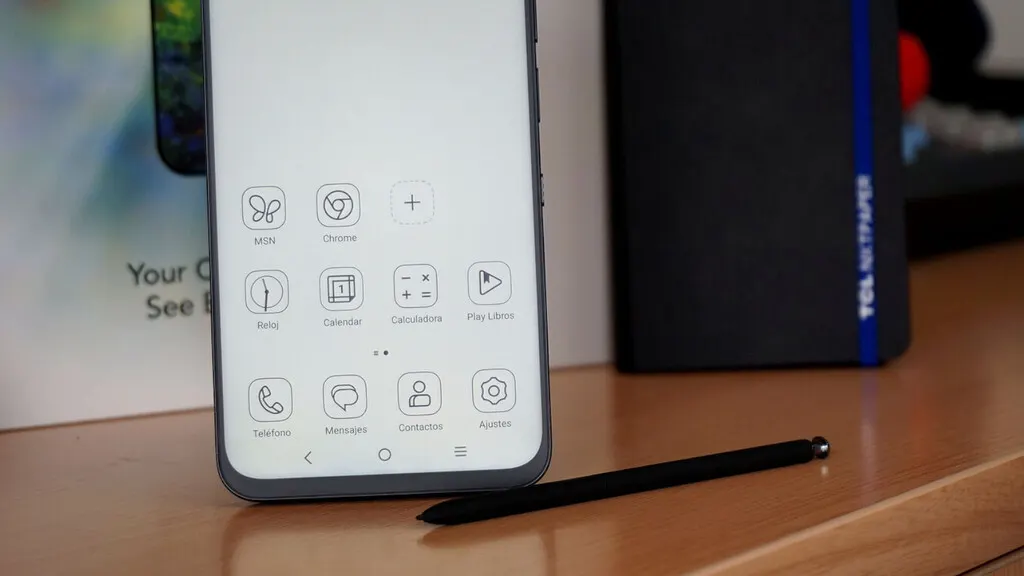
TCL NXTPAPER 60 Ultra: a 7.2-inch phone that mimics e-ink
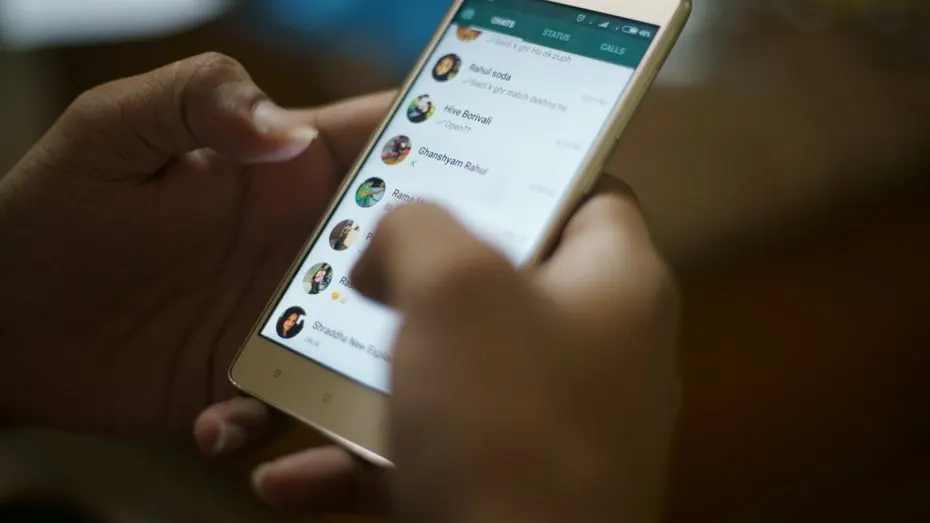
WhatsApp backup without Google storage: Meta's own cloud is in beta

Fate of the Galaxy: free Star Wars space game from fans is out
More in: Science
See all →
Rub' al-Khali: the Saudi desert that had a lake and hippos

Ponkhiraj: Bangladesh's solar pump vehicle cuts irrigation costs tenfold

TOI-2535 b: the planet that vanished while astronomers watched