Ponkhiraj: Bangladesh's solar pump vehicle cuts irrigation costs tenfold
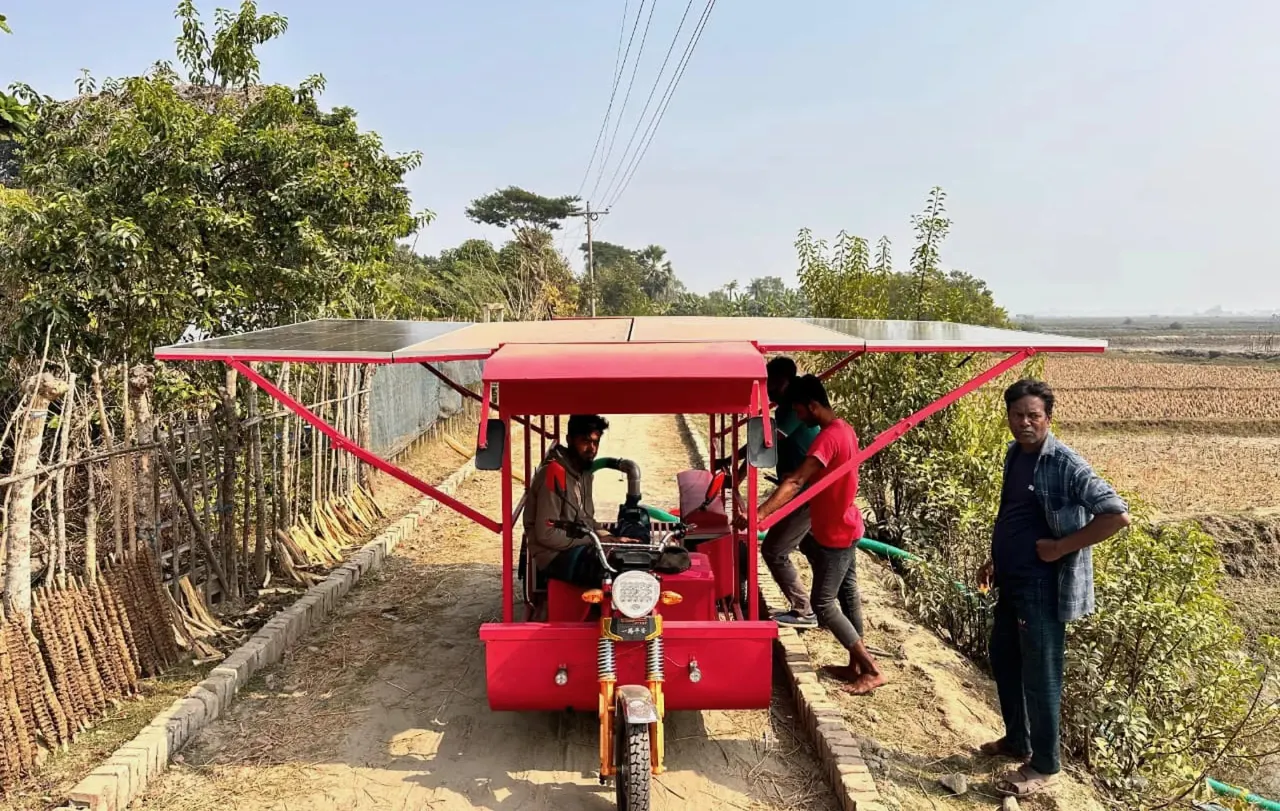
Ponkhiraj is a small three-wheeler that unfolds solar panels beside a field and pumps water. BRAC estimates it costs a tenth of diesel irrigation.
 SUMO· the number puzzle
 Dialo· learn languages by speaking
 ediviewer· read EDI files like documents
 giftdetect· the right gift in minutes
Diesel too expensive or impossible to find? Then drive a pump that doesn't need diesel to the field. That is the idea behind Ponkhiraj, a small solar-powered vehicle now running in Bangladesh. The name comes from a flying horse in local folk tales.
It looks like a little electric three-wheeler. Park it at the edge of a field and the solar panels on both sides fold out like wings, and the pump goes to work.
Why Bangladesh needs a diesel-free pump
In the dry season, Bangladeshi farmers pump water onto their fields. More than 80 percent of those pumps run on diesel, and the diesel is mostly imported. According to New Atlas, fuel prices have jumped since the conflict involving the US, Israel and Iran, and some farmers can't buy diesel at all. Some queue before dawn and go home empty-handed. Borrowed electric motors sometimes stop after about 30 minutes.
Timing matters. Boro rice, grown in the dry season, feeds about 60 percent of the country. If water arrives late, the grains in the ear end up empty.
How much does Ponkhiraj save?
BRAC, the organisation behind the vehicle, estimates that irrigating a day's worth of land with Ponkhiraj costs about 0.8 US dollars. The same area with a diesel pump costs about 8 dollars. A BRAC representative writing in The Business Standard gave a similar figure: six hours of watering falls from over 1,000 taka to 100 taka. Both numbers are BRAC's own estimates, not independent measurements.
The story also echoes Japan's recent experience. The country has relied on the Middle East for more than 90 percent of its crude oil. In March it decided to release about a month's worth of national reserves, roughly 8.5 million kilolitres, and agriculture felt the pinch too, from heating greenhouses to running farm machinery. By June Japan had cut its Middle East dependence to around 60 percent by buying elsewhere. Bangladeshi farmers don't have that option, so they are cutting out diesel instead.
Apps worth a look
SUMO: the number puzzleTap the right tiles, add them up, hit the target. Easy to learn, hard to master. Free, for all ages.
Dialo: learn languages by speakingTalk to an AI conversation partner; every sentence comes back corrected and explained in your language. 9 languages, A1 to C2.
ediviewer: read EDI files like documentsOpen EDIFACT and X12 messages, see every segment explained, convert to JSON/XML, export PDF and Excel. Runs locally, no upload.
giftdetect: the right gift in minutesPick who it is for, the occasion and their personality. The search engine reads product descriptions from local shops and ranks what fits. Free, no sign-up.
More from this day
See all →
South Korea's mobile ID card still can't log you in online
Baemin multi-store cart lets you add up to 5 restaurants at once
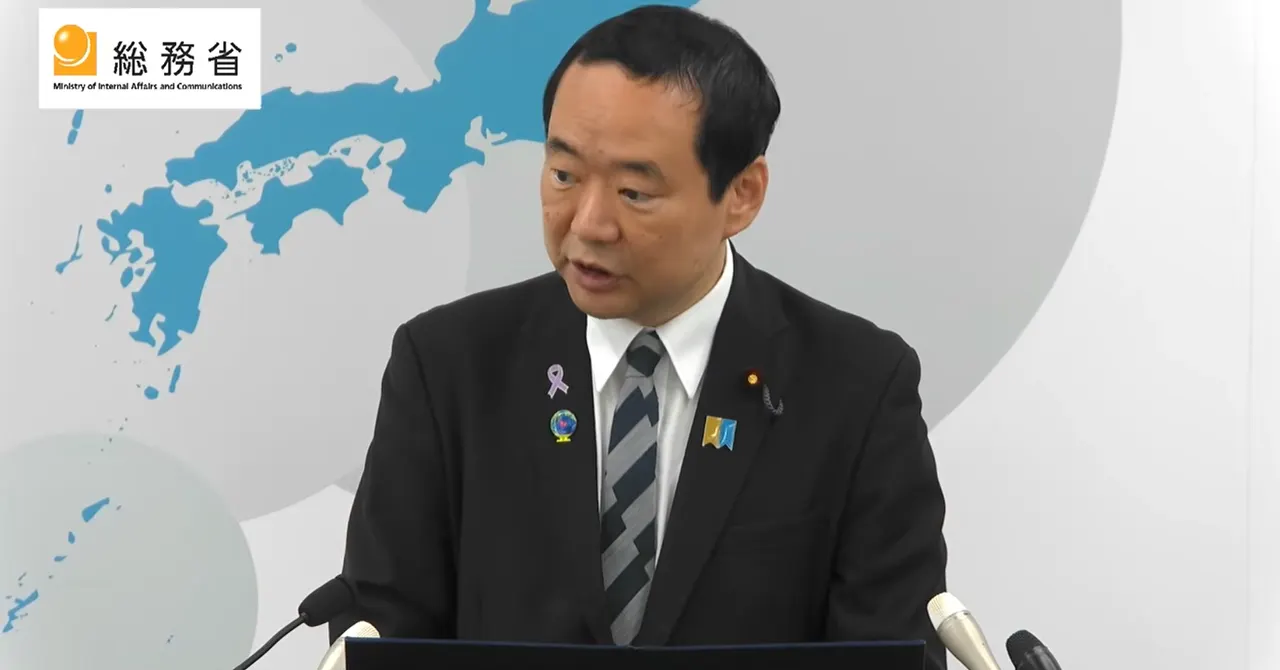
Docomo 5G SA outage: Japan's minister calls three failures 'regrettable'

App Store synth app rejections: Unfiltered Audio hit four times
More in: Science
See all →
TOI-2535 b: the planet that vanished while astronomers watched

NEUSLeeP sleep patch uses ultrasound to reach REM 43 minutes sooner
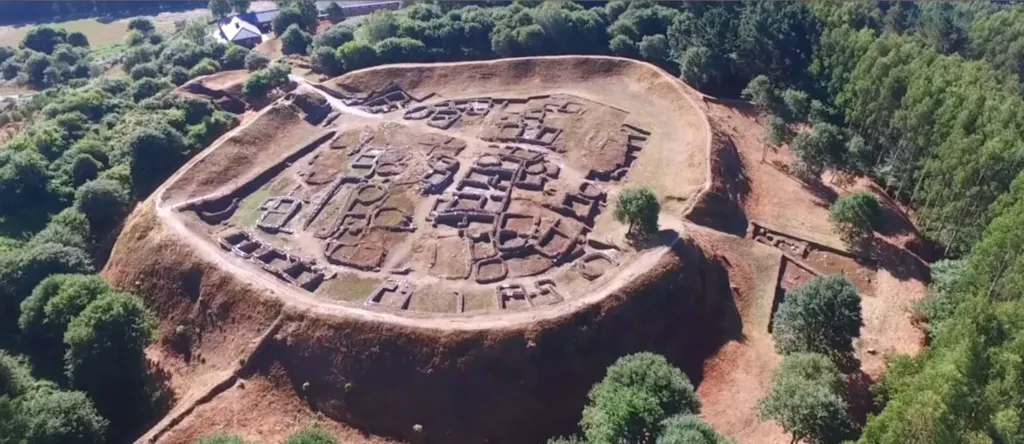
The 400 BC crisis: how northern Iberia's hillforts emptied in a century