The 400 BC crisis: how northern Iberia's hillforts emptied in a century
Around 2,400 years ago, villages across Galicia, Asturias and Cantabria were abandoned in under a century. New radiocarbon data shows where it started and how it spread.
 SUMO· the number puzzle
 Dialo· learn languages by speaking
 ediviewer· read EDI files like documents
 giftdetect· the right gift in minutes
Around 2,400 years ago, people in what is now northern Spain packed up and left their villages, and they did it fast. Archaeologists have long puzzled over what some call the "400 BC crisis". A new study doesn't say why it happened, but it does show how it unfolded.
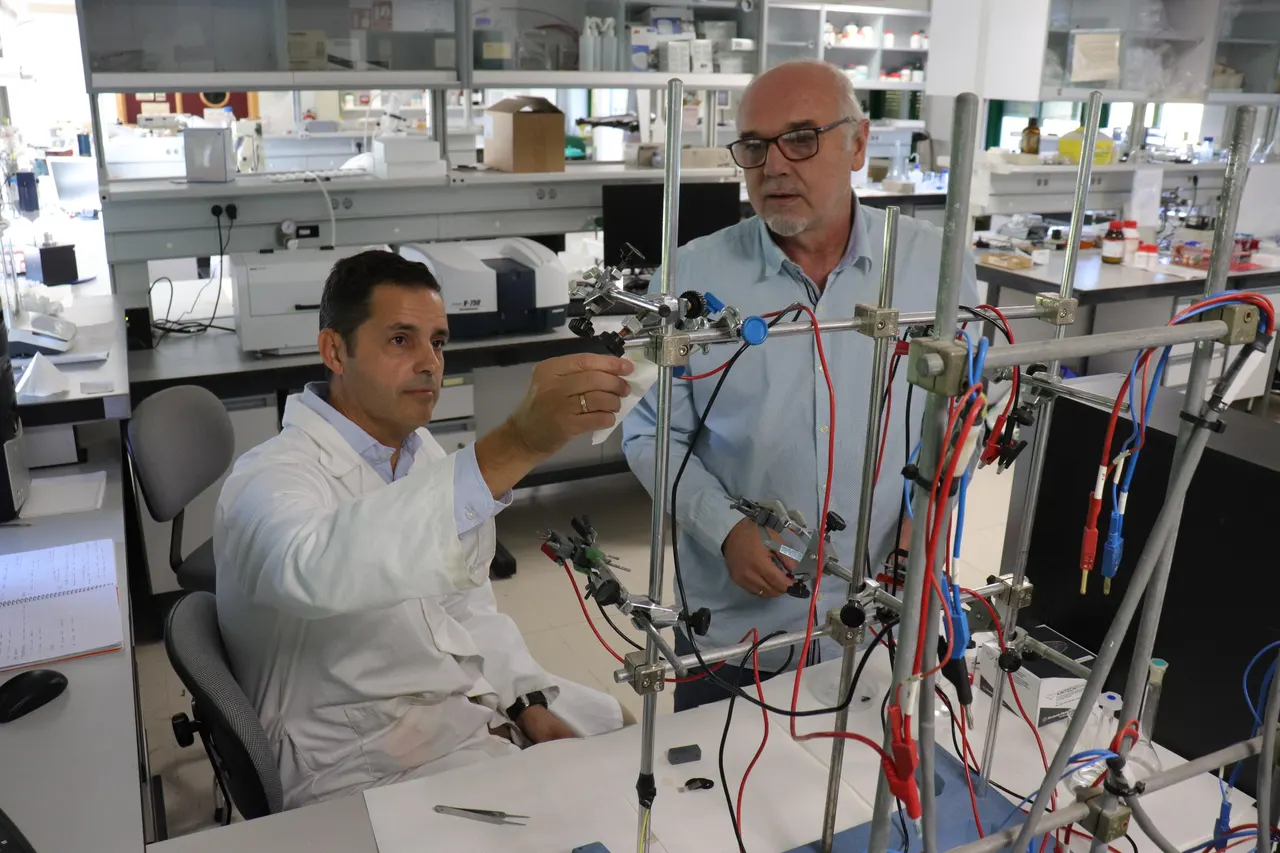
The author is Samuel Nión-Álvarez, a researcher at the Institute of Heritage Sciences (INCIPIT-CSIC). Writing in the Journal of Archaeological Science, he calls it one of the most significant but least understood turning points in European prehistory. Around 400 BC, in the Iron Age, several communities saw what he describes as an abrupt change in their way of life.
What happened to northern Iberia around 400 BC?
Sites in the north of the peninsula were abandoned in less than 100 years, during the fifth and fourth centuries BC. According to the study, it began in the western Cantabrian region between the late sixth and early fifth centuries BC. From there it spread west, south and east, across the Atlantic region and part of the northern plateau.
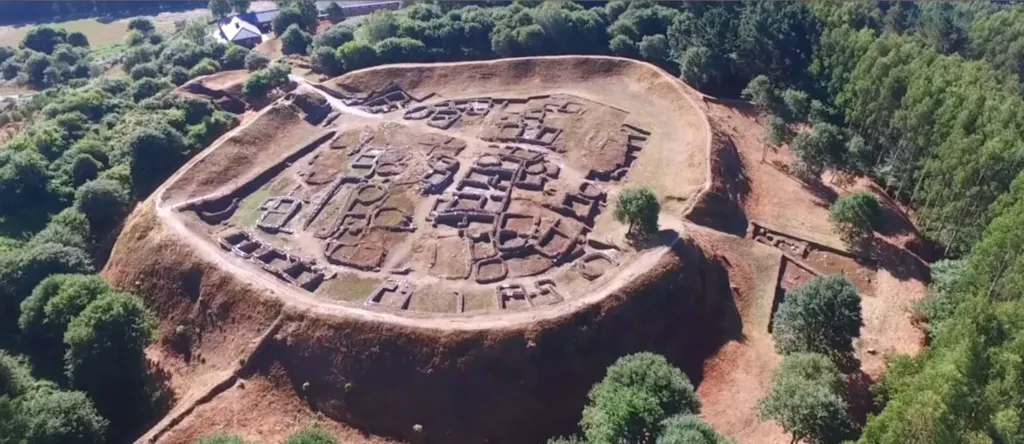
Then came the rebuilding. By the early fourth century BC, new settlements appeared. They were larger, more fortified and architecturally more complex, and many stood at higher elevations. In the Atlantic region, prominent settlements were replaced by bigger hillforts (castros) in lower areas with more farming potential. Founding new communities moved noticeably slower than leaving the old ones.
How do we know, and what is still unknown?
The work rests on 266 radiocarbon dates from 109 sites. That is a broad sample, but the area studied holds several thousand sites spanning very long periods, so the study itself urges caution. Another snag: the period overlaps with the so-called Hallstatt plateau, which makes radiocarbon dating between 760 and 400 BC harder.
The causes remain open. Climate, migration and war are all suggested, though a mix of factors seems most likely. The change was also not uniform across Europe. In the south of the Netherlands and southeast Gaul, settlements concentrated and inequality grew, while in Central Europe social hierarchy slowed down. Many regions saw population decline.
Apps worth a look
SUMO: the number puzzleTap the right tiles, add them up, hit the target. Easy to learn, hard to master. Free, for all ages.
Dialo: learn languages by speakingTalk to an AI conversation partner; every sentence comes back corrected and explained in your language. 9 languages, A1 to C2.
ediviewer: read EDI files like documentsOpen EDIFACT and X12 messages, see every segment explained, convert to JSON/XML, export PDF and Excel. Runs locally, no upload.
giftdetect: the right gift in minutesPick who it is for, the occasion and their personality. The search engine reads product descriptions from local shops and ranks what fits. Free, no sign-up.
More from this day
See all →
DeepSeek free limits: 40,000-character cap and daily quota

Wii U vWii color bleed traced to two typos in 13-year-old firmware

D-You wallet: Germany's EUDI app should also run on custom ROMs

Idea Lens: a detector that checks if the idea came from AI
More in: Science
See all →
GPM J071507-114153: a white dwarf pulses every 7.9 minutes
US hyperscale data centers use more power than 148 countries

Curiosity rover finds hints of liquid water films on Mars