Vitamin B12 battery: Spanish team builds a rechargeable zinc-air cell
Researchers in Spain put vitamin B12 inside a zinc-air battery as a catalyst. It survived about 250 charge cycles in lab tests, and the cell uses a water-based electrolyte.
 SUMO· the number puzzle
 Dialo· learn languages by speaking
 ediviewer· read EDI files like documents
 giftdetect· the right gift in minutes
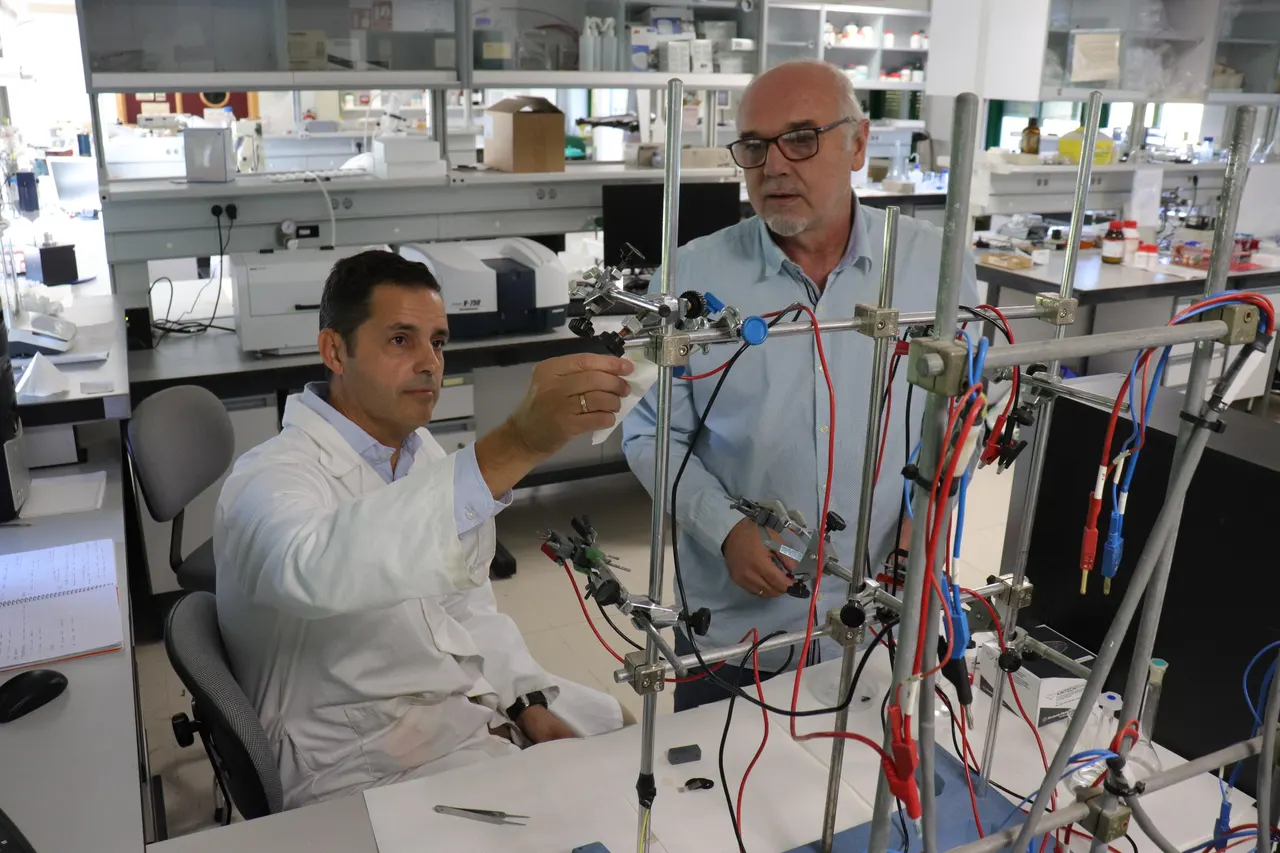
A vitamin you can buy as a supplement is now doing a job inside a battery. Researchers at the University of Córdoba in Spain built a vitamin B12 battery, a rechargeable zinc-air cell where B12 helps the chemistry run in both directions.
The team, from the university's Institute for Energy and Environmental Chemistry (IQUEMA), added B12 (also called cobalamin) to a zinc-air battery. That type of cell takes in oxygen from the air to generate power and can be recharged. Zinc is plentiful and easy to recycle, and the water-based electrolyte is hard to set alight.
B12 contains cobalt at its centre, and that metal acts as the catalyst, the helper that speeds up a reaction. When the battery discharges, B12 helps oxygen react at the electrode. When it charges, it encourages the reaction that releases oxygen again.
How did they keep the vitamin from washing away?
B12 dissolves in water, so in a water-based electrolyte it would simply wash out. The team fixed it onto carbon nanotubes instead, saying they imitated the way amino acids link up to form proteins.
In small-scale tests, the cell managed about 250 rounds of six minutes charging and six minutes discharging. The same group has earlier built batteries using haemoglobin and the enzyme catalase, but B12 is the first of these biomolecules that worked as a rechargeable catalyst, according to the team.
Why it matters for power banks
Zinc-air batteries are already used in hearing aids. Phone power banks, meanwhile, use lithium-ion cells with a flammable electrolyte. Japan's product safety body NITE received 2,140 reports of accidents involving lithium-ion products from 2021 to 2025. Power banks were the most common source, and the 2025 count was more than triple that of 2021.
This cell is still a lab prototype, and the team's own target is storing surplus renewable energy, such as solar power made during the day. The 250-cycle result came under research conditions. Lifespan, capacity and output all need more testing before it could power a home battery, let alone a power bank.
Apps worth a look
SUMO: the number puzzleTap the right tiles, add them up, hit the target. Easy to learn, hard to master. Free, for all ages.
Dialo: learn languages by speakingTalk to an AI conversation partner; every sentence comes back corrected and explained in your language. 9 languages, A1 to C2.
ediviewer: read EDI files like documentsOpen EDIFACT and X12 messages, see every segment explained, convert to JSON/XML, export PDF and Excel. Runs locally, no upload.
giftdetect: the right gift in minutesPick who it is for, the occasion and their personality. The search engine reads product descriptions from local shops and ranks what fits. Free, no sign-up.
More from this day
See all →
Trezor Skladon data leak exposes addresses of 27,000 orders
Uber data breach: 149,346 drivers' license details stolen
ChatGPT Wallet lets OpenAI's dots agent pay without your card number
Car app flaw let researchers unlock and start cars by license plate
More in: Science
See all →
Comet 220P/McNaught suddenly got 1,000 times brighter. Here's why
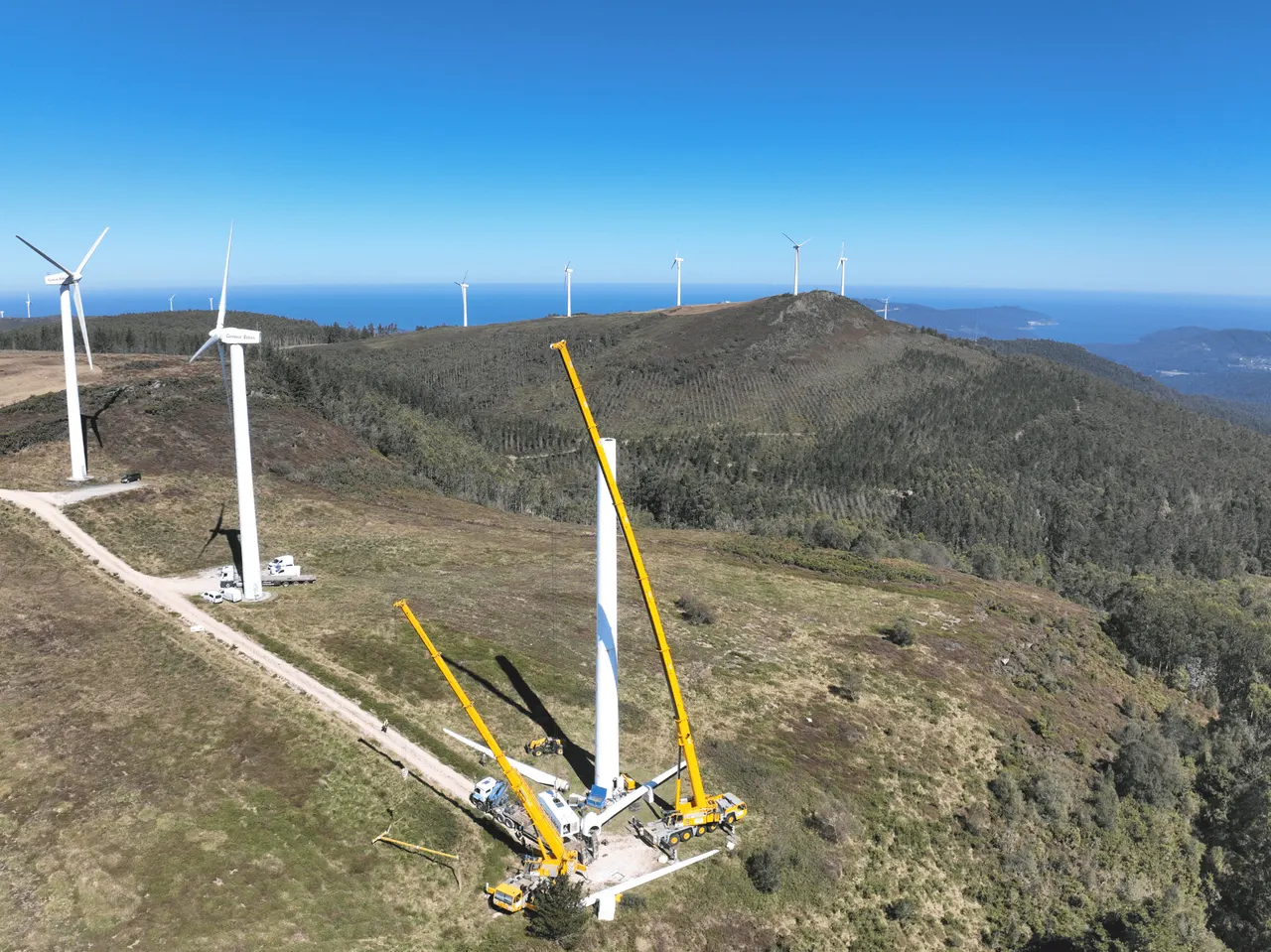
Coriscada wind farm: 4 turbines replace 40 and make 78% more power
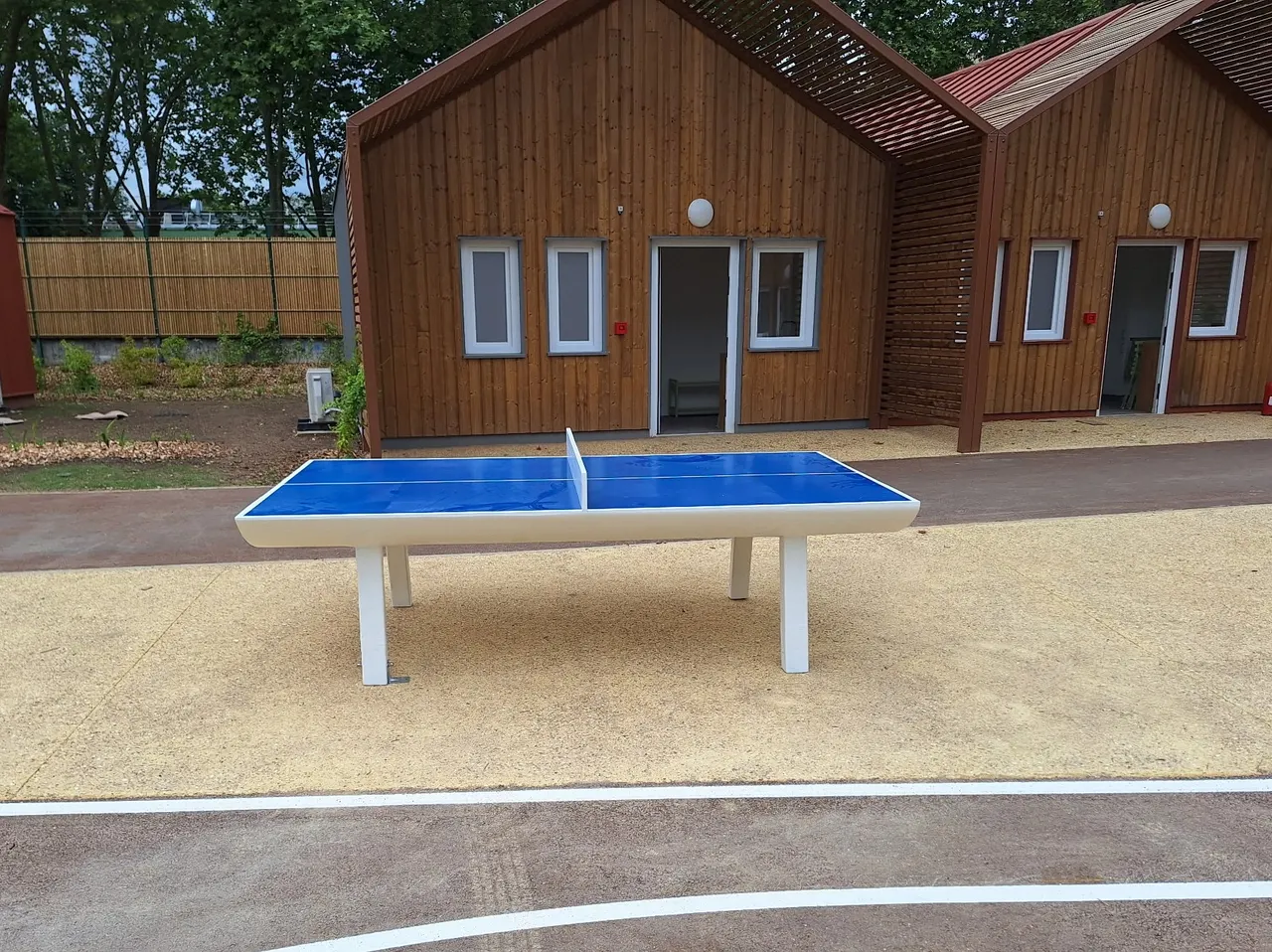
Wind turbine blade recycling: a French startup makes ping-pong tables