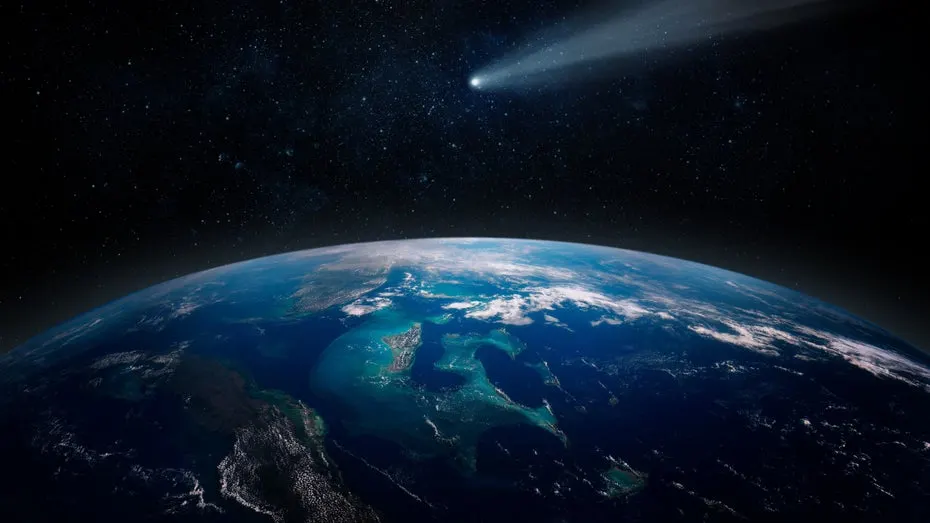
Comet 220P/McNaught suddenly got 1,000 times brighter. Here's why
A faint comet that most amateur telescopes can't see lit up in summer 2026. Scientists now say it blew pieces of its crust off and threw out up to 50 billion kilograms of dust.
 SUMO· the number puzzle
 Dialo· learn languages by speaking
 ediviewer· read EDI files like documents
 giftdetect· the right gift in minutes
Comet 220P/McNaught is the sort of object most stargazers never notice. In June and July 2026 it suddenly became up to a thousand times brighter than normal, and researchers now know why: it cracked open.
As the comet headed toward its closest point to the Sun, ice under its surface turned to gas. The pressure of that escaping gas blasted off parts of the crust and flung dust into space. Models based on observations suggest between 5 and 50 billion kilograms of it.
What is comet 220P/McNaught?
220P is a periodic comet, meaning it comes back on a regular schedule. Every five and a half years it swings in to about the distance of Mars from the Sun. Normally it is so dim that most amateur telescopes can't pick it up.
Comets are often called dirty snowballs. Under a dusty crust they hold ice made of water, carbon dioxide and nitrogen. Sunlight warms that ice until it sublimes, which means it skips the liquid stage and goes straight to gas.
Why did the comet get so bright?
The dust filled the coma, the fuzzy cloud around the solid core. The grains are only a few millionths of a metre across and drifted away at roughly 390 metres per second. They scattered sunlight, and the coma glowed.
Josep M. Trigo-Rodríguez of the Institute of Space Sciences and the Institute of Space Studies of Catalonia in Spain says the comet shed localised parts of its crust. The resulting dust shell raised its brightness 250-fold within half a day.
His interest is partly about planetary defence. If a comet ever headed for Earth, how fragile it is would matter. Some comets seem determined to prove they are brittle, he says, which could allow ways to break one up that differ from those tested or proposed for asteroids.
No need to worry about 220P, though. On 12 October it made its closest pass to Earth, still about 156 million kilometres away.
Apps worth a look
SUMO: the number puzzleTap the right tiles, add them up, hit the target. Easy to learn, hard to master. Free, for all ages.
Dialo: learn languages by speakingTalk to an AI conversation partner; every sentence comes back corrected and explained in your language. 9 languages, A1 to C2.
ediviewer: read EDI files like documentsOpen EDIFACT and X12 messages, see every segment explained, convert to JSON/XML, export PDF and Excel. Runs locally, no upload.
giftdetect: the right gift in minutesPick who it is for, the occasion and their personality. The search engine reads product descriptions from local shops and ranks what fits. Free, no sign-up.
More from this day
See all →


More in: Science
See all →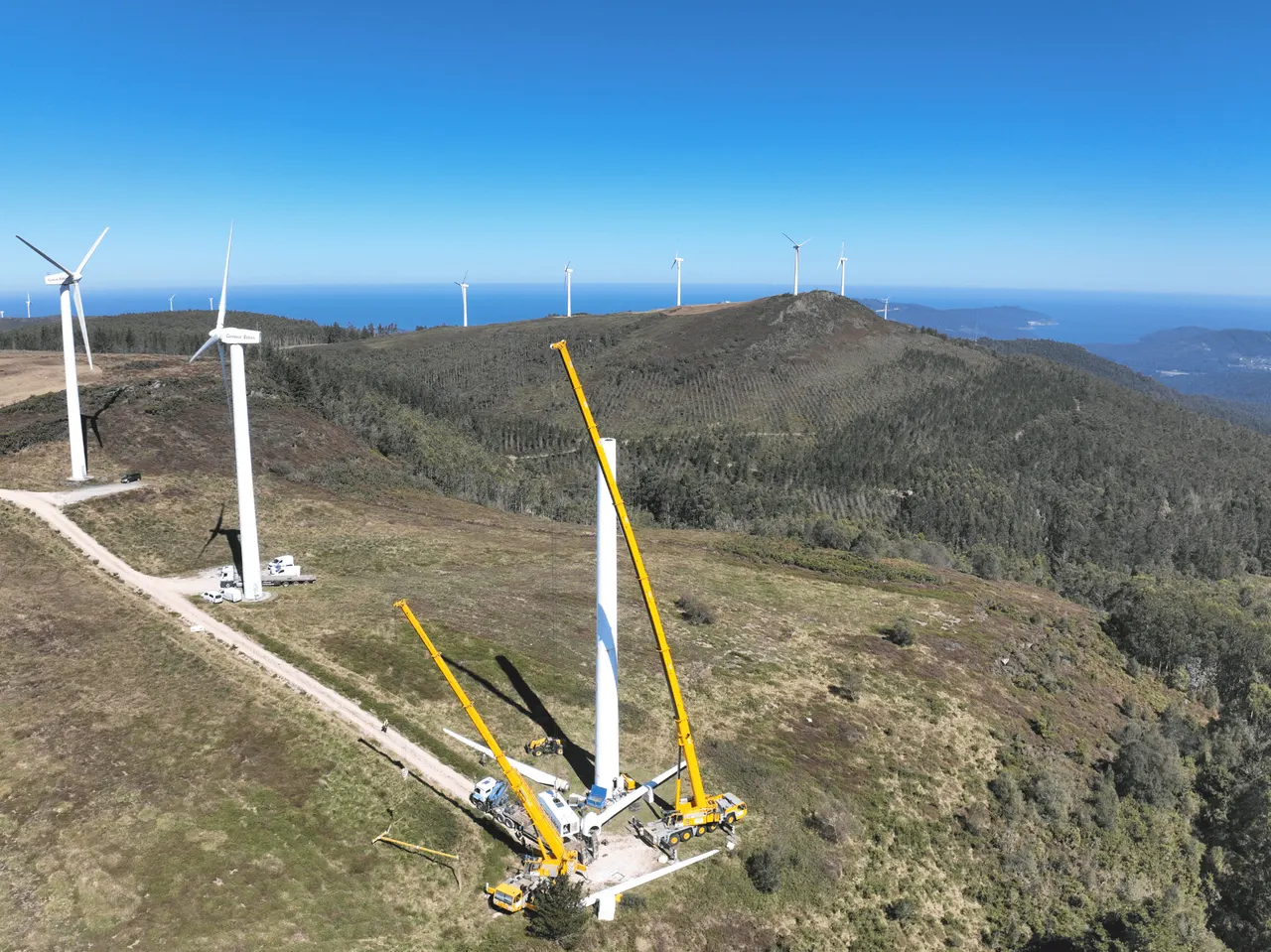
Coriscada wind farm: 4 turbines replace 40 and make 78% more power
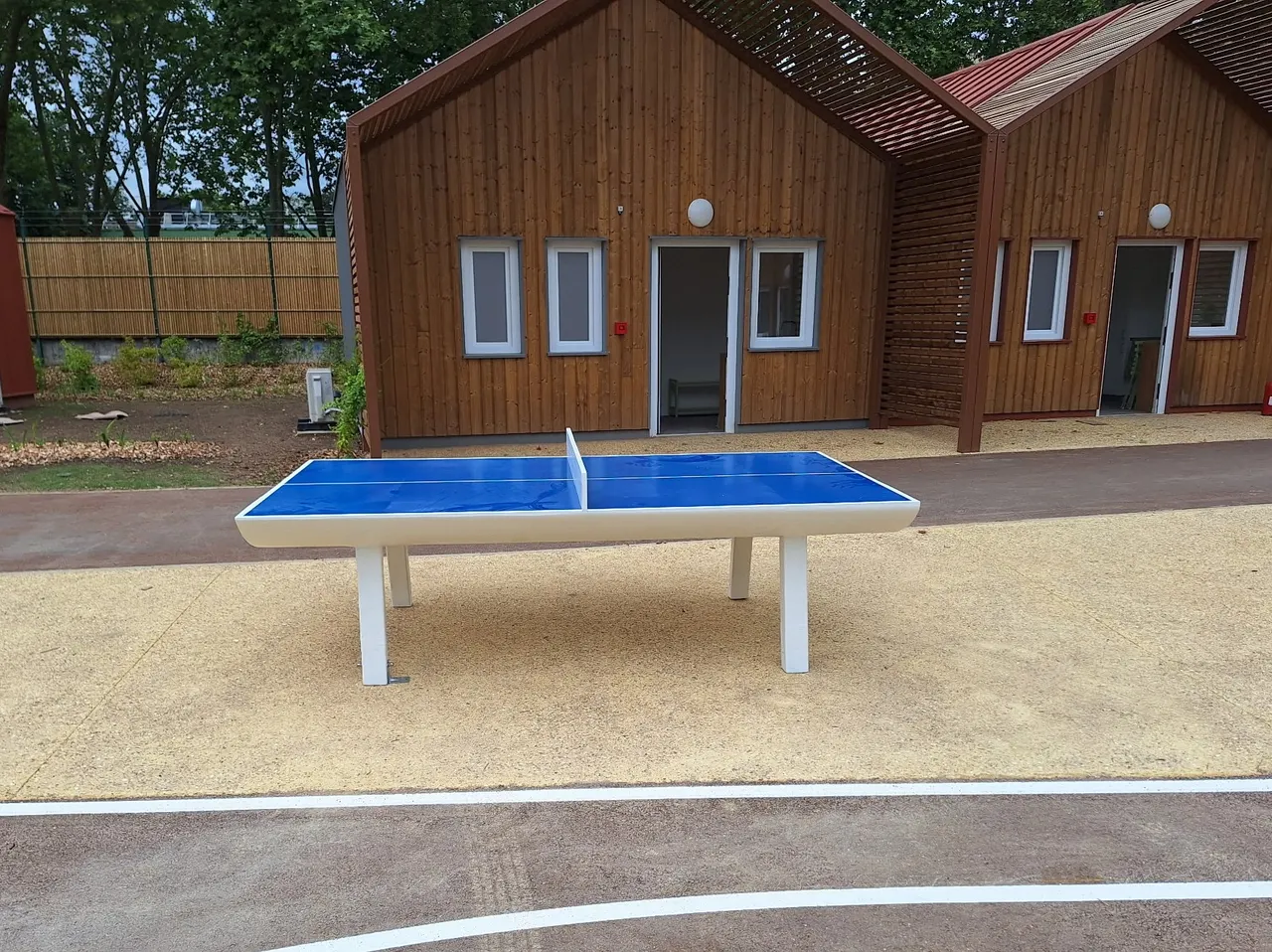
Wind turbine blade recycling: a French startup makes ping-pong tables
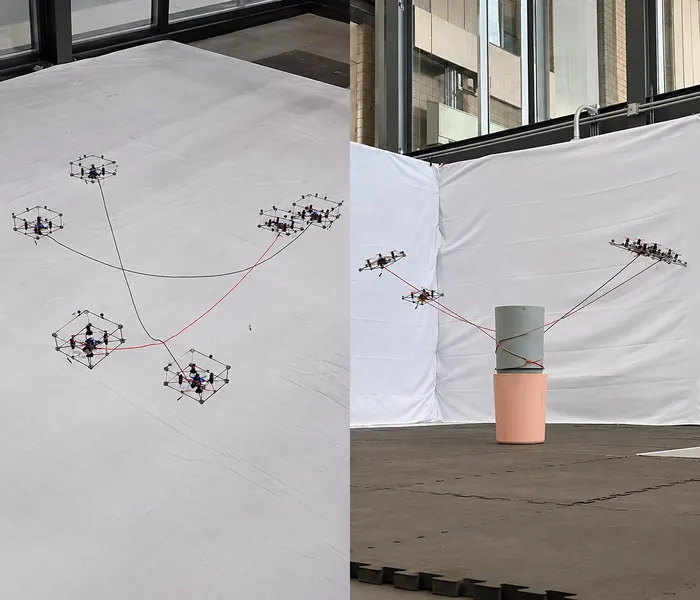
Drones that carry objects by weaving rope around them midair