Seville speed camera attack: hooded man sets A-92 panel on fire
A hooded man climbed a gantry over the A-92 into Seville, set a speed camera on fire and walked off. The video is one of three, and an Instagram account is behind it.
 SUMO· the number puzzle
 Dialo· learn languages by speaking
 ediviewer· read EDI files like documents
 giftdetect· the right gift in minutes
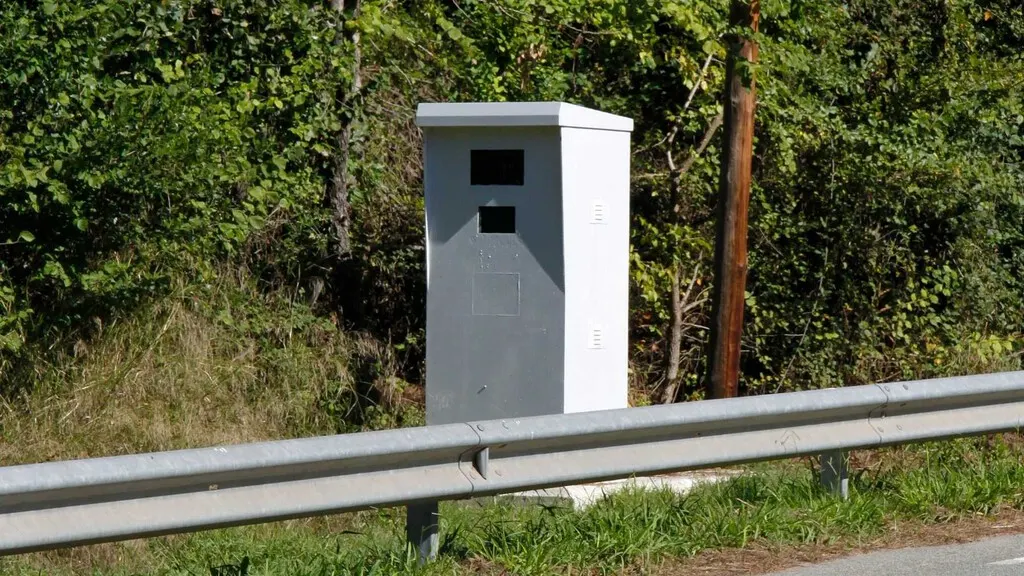
A hooded man climbed onto an information panel above the lanes of the A-92, one of the main roads into Seville, set it on fire, ran along the walkway and went down a side ladder. A video of the speed camera attack went viral this week, and it has pulled a lot of other clips along with it.
The footage was posted by the Instagram account @lasevillaenfurecida. Local press places the device at the Seville entrance from Alcalá de Guadaíra, near the municipal zoonosis centre. Accounts differ on one point: some say burning material fell onto the carriageway, others that flames reached the area under the device, beside the road. There were no warnings and no accident has been reported.
The video is part of a series of three. On the SE-30, in front of the SFDK mural, several people cut the pole of a camera with a large tool, load it into a car and burn it. In Alcalá de Guadaíra, another camera is tied to a vehicle and ripped out, Mad Max style. A third incident, at the Ronda Urbana Norte, actually happened in early May 2026. It was one of five fixed cameras the city installed last autumn on 50 km/h roads. The culprits took the box and cabling, and the unit turned up burnt on wasteland near San Pablo airport.
What do we know about the investigation?
The Guardia Civil's traffic investigation unit in Andalusia (UNIS) has opened proceedings. Nobody has officially said how many cameras were damaged or who is involved, and the exact dates of the A-92 and Alcalá attacks are unknown. The account behind the videos calls the people responsible a "justiciero" and says they target cameras it considers money-grabbing. Police have not confirmed any link to other videos it shares.
What does the law say?
Spain's traffic authority, the DGT, said in 2025 that this counts as criminal damage under articles 263 to 267 of the Penal Code. The aggravated version, applied when the damage aims to obstruct authority, carries 1 to 3 years in prison and a fine of 12 to 24 months. Offenders also pay for the device, about 67,000 euros per fixed camera according to the DGT.
The anger has a number behind it. DGT cameras collected 246.8 million euros in 2025, up 14%, according to the Asociación Automovilistas Europeos. The DGT answers that speeding is behind 30% of fatal crashes. Seville's council plans more cameras, including on the Ronda Urbana Norte and avenida de la Palmera, as part of a noise plan worth about ten million euros that runs to 2029.
Apps worth a look
SUMO: the number puzzleTap the right tiles, add them up, hit the target. Easy to learn, hard to master. Free, for all ages.
Dialo: learn languages by speakingTalk to an AI conversation partner; every sentence comes back corrected and explained in your language. 9 languages, A1 to C2.
ediviewer: read EDI files like documentsOpen EDIFACT and X12 messages, see every segment explained, convert to JSON/XML, export PDF and Excel. Runs locally, no upload.
giftdetect: the right gift in minutesPick who it is for, the occasion and their personality. The search engine reads product descriptions from local shops and ranks what fits. Free, no sign-up.
More from this day
See all →



More in: Other
See all →
South Korea's CSAT AI cheating fears: star tutors say delay exam

South Korea's new satellite map rules swap forest cover-ups for blur
Akihabara smart trash cans: dumping on day 3, cameras were ready