Wii U vWii color bleed traced to two typos in 13-year-old firmware
Wii games on the Wii U have looked smeared since 2013. A reverse engineer opened the display chip's firmware and found a typo behind the color bleed.
 SUMO· the number puzzle
 Dialo· learn languages by speaking
 ediviewer· read EDI files like documents
 giftdetect· the right gift in minutes
Wii games on a Wii U often look worse than on the original Wii. The picture is cropped at the edges, and color spills past the outlines of characters. People have complained since 2013 and Nintendo never fixed it. Now a reverse engineer says the color problem comes down to two typos in firmware.
What is wrong with Wii U vWii mode?
The Wii U plays Wii games through a backward-compatibility mode usually called vWii. It has an HDMI port, so on paper it is a neat way to run old games on a modern TV. In practice there are two main flaws: the image is forcibly cropped by up to 16 pixels, and color bleeds outside objects.
The Wii U has no real copy of the Wii's video interface. A small 8-bit microcontroller called DMCU, compatible with the 68HC11, emulates it and translates the old video settings into registers of the Radeon-based display hardware. The cropping was the easy part. The firmware sets the viewport to imitate overscan, the way old TVs pushed the picture past the screen edges. Changing the values it writes removes the crop.
How the typos were found
The author's favorite reverse-engineering tool, Ghidra, did not support the HC11, so in 2024 they wrote a processor spec for it. Then they decompiled the firmware into C by hand. A GCC 3.3.6 build from 2006 reproduced some functions byte for byte, which suggests whoever wrote the firmware used that same compiler. The result, published in 2025 as OpenDMCUFirm, is functionally equivalent to the original. The DMCU also turned up in newer AMD graphics chips, such as Raven and Navi 12, and it is still built on the 68HC11 there.
Months later the author spotted two bugs. The first sits in the interrupt handler, which turns hardware status bits into events for the main loop. If an event is already being handled, it should be flagged to run again. But the code checks that bit in the hardware status register instead of the event flags. When the register happens to have the bit set, the event is flagged for a rerun and never queued, so the main loop never handles it.
On real hardware, the author confirmed that events 2 and 3 run once and then get stuck for good. The fix is a small change to which variable the code checks.
Apps worth a look
SUMO: the number puzzleTap the right tiles, add them up, hit the target. Easy to learn, hard to master. Free, for all ages.
Dialo: learn languages by speakingTalk to an AI conversation partner; every sentence comes back corrected and explained in your language. 9 languages, A1 to C2.
ediviewer: read EDI files like documentsOpen EDIFACT and X12 messages, see every segment explained, convert to JSON/XML, export PDF and Excel. Runs locally, no upload.
giftdetect: the right gift in minutesPick who it is for, the occasion and their personality. The search engine reads product descriptions from local shops and ranks what fits. Free, no sign-up.
More from this day
See all →
AI chatbot trackers leak your chats: 21 of 42 services tested
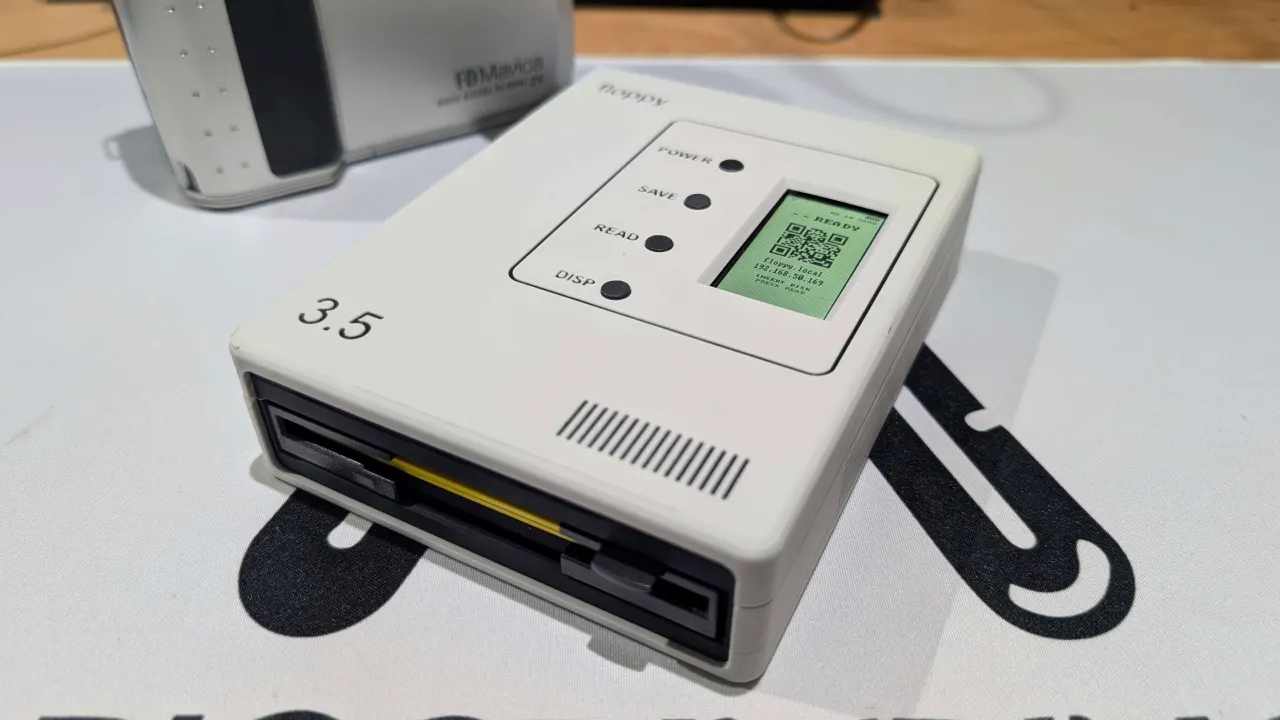
floppy3.5: a Wi-Fi floppy reader for old Sony Mavica photos

DeepSeek free limits: 40,000-character cap and daily quota