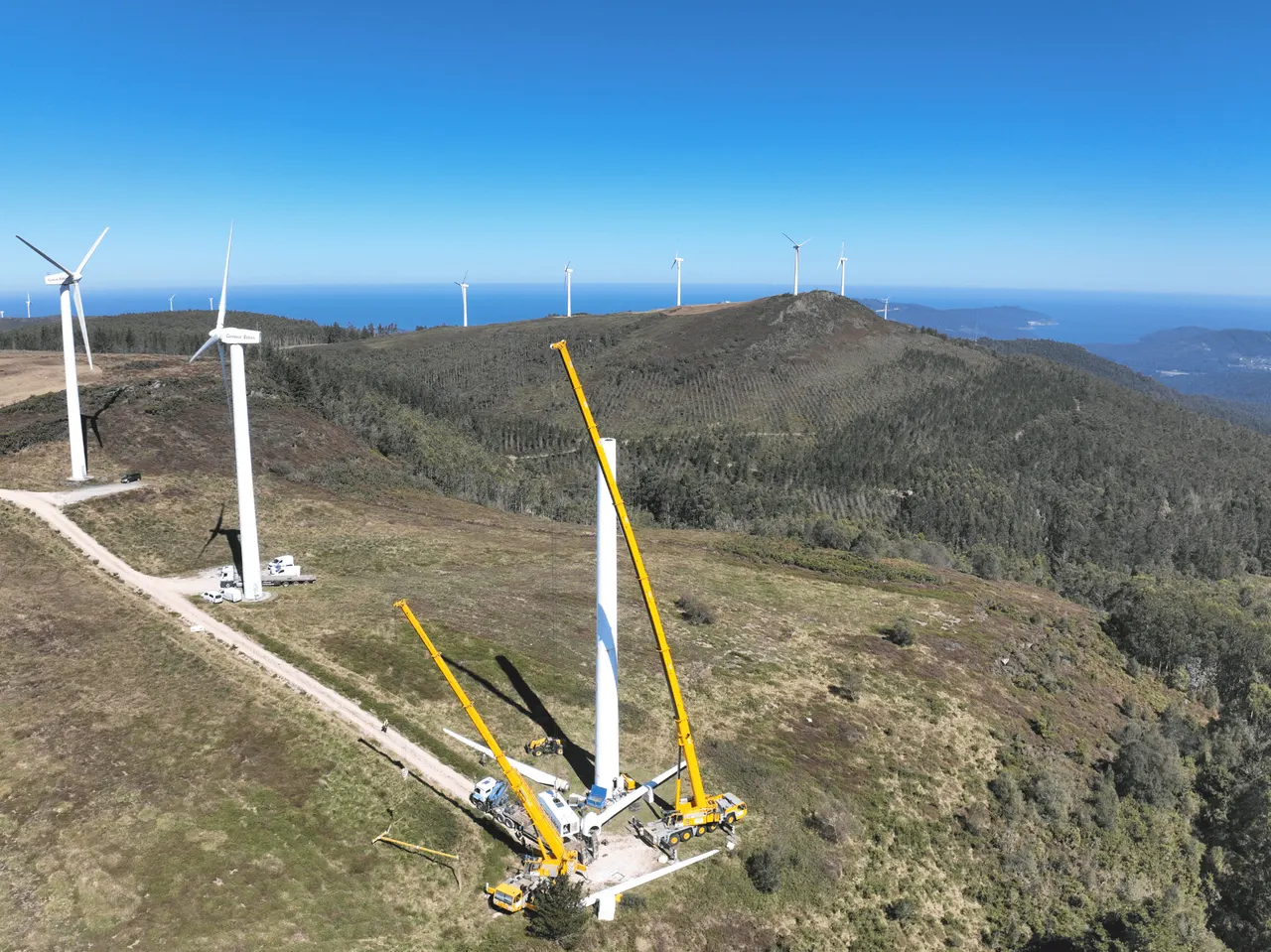
US hyperscale data centers use more power than 148 countries
A Harvard-led study counted 403 hyperscale data centers in the US. Together they used about 82 TWh in a year, and more than half of it came from gas and coal.
 SUMO· the number puzzle
 Dialo· learn languages by speaking
 ediviewer· read EDI files like documents
 giftdetect· the right gift in minutes
US hyperscale data centers now use more electricity than most of the world's countries, and most of that power still comes from fossil fuels. That is the finding of a new paper in Nature Sustainability.
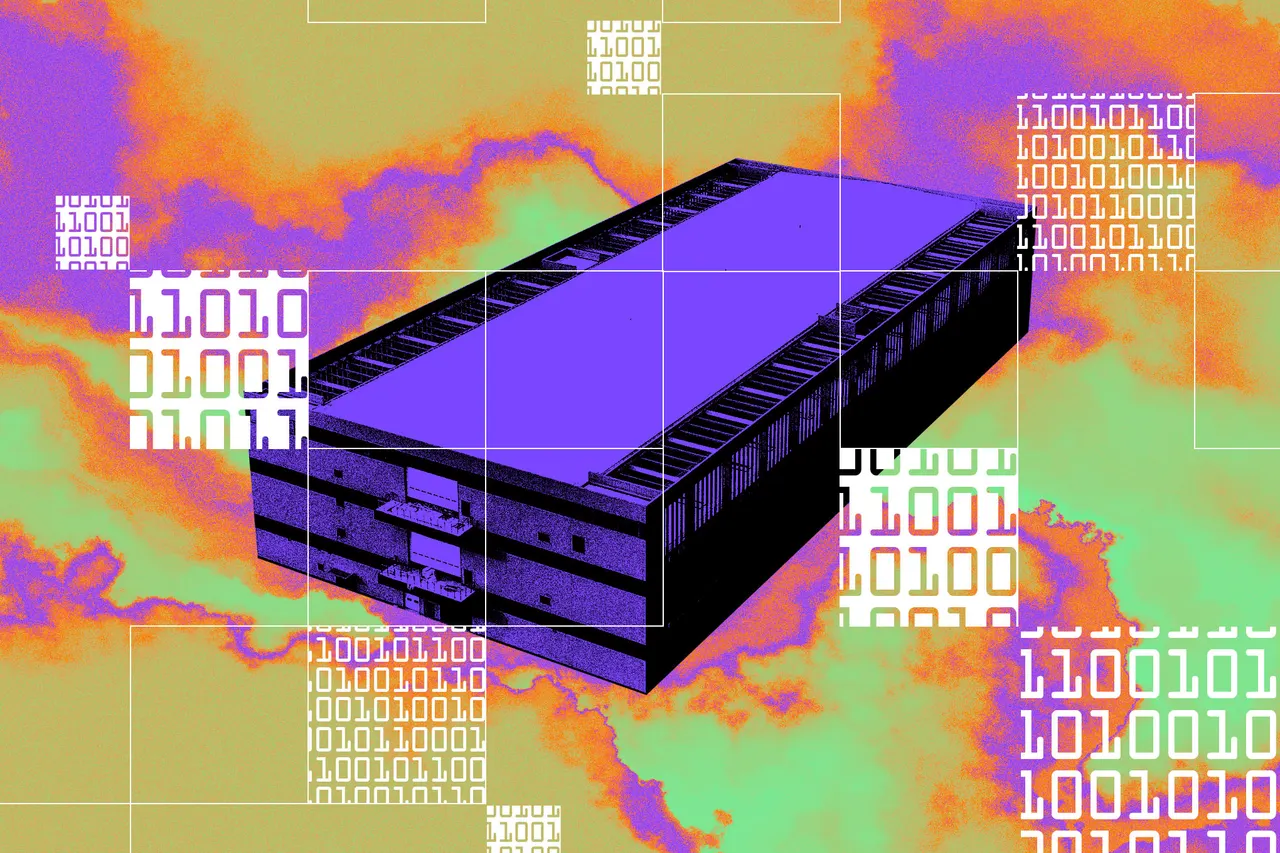
A team led by Gianluca Guidi, a postdoctoral fellow at the Harvard T.H. Chan School of Public Health, used satellite imagery to find 403 hyperscale data centers in the US. These are the enormous buildings, often millions of square feet, that developers are racing to put up largely for generative AI. The researchers estimated each site's power draw from its electrical capacity, then used Environmental Protection Agency data to work out what emissions would result if each one ran on its local grid between May 2024 and April 2025.
How much electricity do US data centers use?
About 82 terawatt-hours in that year, or roughly 1.8 percent of all US electricity consumption. John Sterman, who directs the MIT System Dynamics group and was not part of the study, says that is more than each of about 148 countries uses annually, including Austria, Israel and Venezuela. Sterman disclosed that he used Claude to help make those country comparisons.
The electricity produced 25.7 million metric tons of CO2, comparable to Denmark's yearly footprint. Sterman says that tops the emissions of about 113 nations. The reason: around 54 percent of the power likely came from gas and coal.
Why location matters
The local grid makes a huge difference. Electricity generated in coal-heavy Wyoming produced roughly seven times more CO2 per kilowatt-hour than in hydropower-rich Oregon. "Two data centers consuming exactly the same amount of electricity can have dramatically different carbon footprints simply because of where they're located," Guidi writes. He finds that encouraging, since it means the impact is a choice.
There are gaps. The study does not count local air pollution from new gas plants built for data centers, or from gas turbines some AI companies installed to run without the grid. Hyperscale sites also cover more than AI work, and they are only a slice of the thousands of data centers in the US.
Cornell's Fengqi You, also not involved, warns of "long-term carbon lock-in": plants built now may run for decades. Sterman wants policymakers to require operators to bring new clean energy online.
Both Guidi and You note that researchers must estimate all this because operators don't disclose their energy use. Guidi's team is building a website to track individual data centers, and a bipartisan bill in Congress could require national disclosure of their electricity use.
Apps worth a look
SUMO: the number puzzleTap the right tiles, add them up, hit the target. Easy to learn, hard to master. Free, for all ages.
Dialo: learn languages by speakingTalk to an AI conversation partner; every sentence comes back corrected and explained in your language. 9 languages, A1 to C2.
ediviewer: read EDI files like documentsOpen EDIFACT and X12 messages, see every segment explained, convert to JSON/XML, export PDF and Excel. Runs locally, no upload.
giftdetect: the right gift in minutesPick who it is for, the occasion and their personality. The search engine reads product descriptions from local shops and ranks what fits. Free, no sign-up.
More from this day
See all →
Jordan blocks Telegram nationwide after deadly Islamist attack

Childlight 2026 index: AI child abuse reports up 8,411% in two years

Alibaba Qwen 4 Max tops Chinese AI agent rankings, but is closed
Satya Nadella: Claude Code caught Microsoft off guard, IDE faded
More in: Science
See all →
Curiosity rover finds hints of liquid water films on Mars
Vitamin B12 battery: Spanish team builds a rechargeable zinc-air cell
Comet 220P/McNaught suddenly got 1,000 times brighter. Here's why