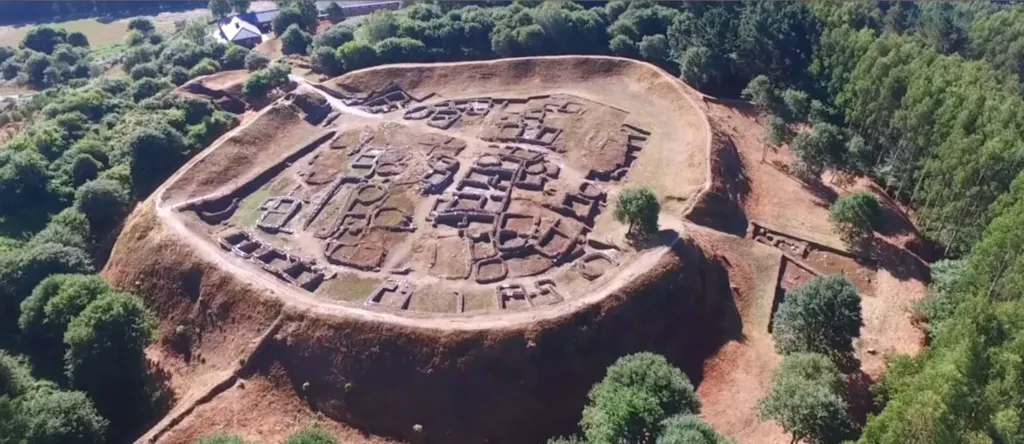
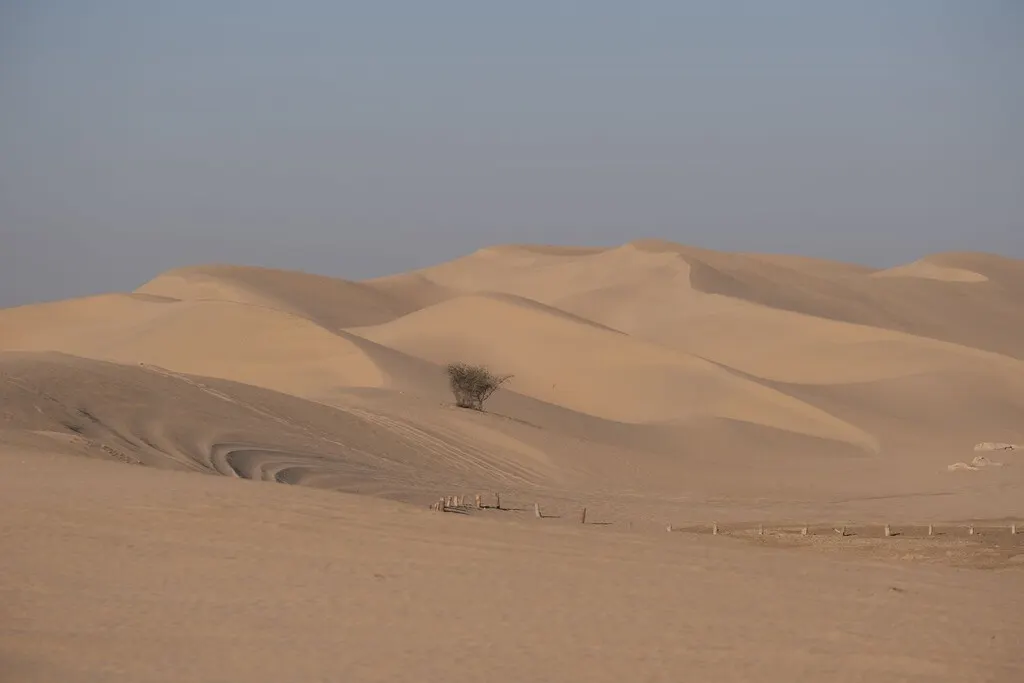
Rub' al-Khali: the Saudi desert that had a lake and hippos
125,000 years ago, the Empty Quarter held a 340 km² freshwater lake. Hippos grazed nearby, and people hunted with flint-tipped weapons, maybe poisoned ones.
 SUMO· the number puzzle
 Dialo· learn languages by speaking
 ediviewer· read EDI files like documents
 giftdetect· the right gift in minutes
The Rub' al-Khali, the Empty Quarter of southern Saudi Arabia, is one of the driest sand seas on Earth. About 125,000 years ago, its southwestern edge had a freshwater lake, grassland, palm trees and hippos. People were there too, making spears.
A study published in Science in early November reconstructs life on that shoreline. The site is Uruq al-Julaybah, in the basin of the ancient Mundafan lake. Using satellite terrain modelling, sediment analysis and geomorphological data, the team mapped the lake as it was during the last interglacial period, the warm stretch between ice ages. It covered roughly 340 square kilometres and reached 29 metres at its deepest.
What lived around the Mundafan lake?
A lot. Grid surveys of the dry lakebed recorded more than 500 fossil specimens of plants, invertebrates and vertebrates, spread over more than 130 spots. The animals are the kind you find near permanent water: hippos, long-horned buffalo, camels and ostriches.
It fits the "Green Arabia" idea. A Nature study from 2025 showed the Arabian Peninsula went through at least six major wet phases over the last eight million years, driven by shifts in monsoon systems that turned dunes into routes for wildlife.
Flint tools, wooden shafts and possible poison
The archaeological haul is 5,511 stone tools larger than two centimetres. More than 96% are flint, made with the Levallois technique, a way of shaping a stone core so a flake of predictable form can be struck off.
The researchers rebuilt pieces in 3D and examined their surfaces under the microscope. They found traces of resin and woody tissue, which shows the flint points were fixed onto wooden shafts to make composite weapons. Such organic residues are extremely rare at open-air sites this old.
They also detected residues from toxic plants on some tools. If that is confirmed, it would be among the first evidence of its kind in Saudi Arabia. The earliest known poisoned weapons date to about 60,000 years ago, so this would push the practice back to 125,000 years.
Apps worth a look
SUMO: the number puzzleTap the right tiles, add them up, hit the target. Easy to learn, hard to master. Free, for all ages.
Dialo: learn languages by speakingTalk to an AI conversation partner; every sentence comes back corrected and explained in your language. 9 languages, A1 to C2.
ediviewer: read EDI files like documentsOpen EDIFACT and X12 messages, see every segment explained, convert to JSON/XML, export PDF and Excel. Runs locally, no upload.
giftdetect: the right gift in minutesPick who it is for, the occasion and their personality. The search engine reads product descriptions from local shops and ranks what fits. Free, no sign-up.
More from this day
See all →
Claude Code's settings.local.json put passwords on GitHub

EMIAS slot hunter: a browser script that grabs cancelled clinic slots

GovTech Deutschland: critics say the lobby group undermines IT bodies

Windows Insider builds test FIDO2 key management and remote lock
More in: Science
See all →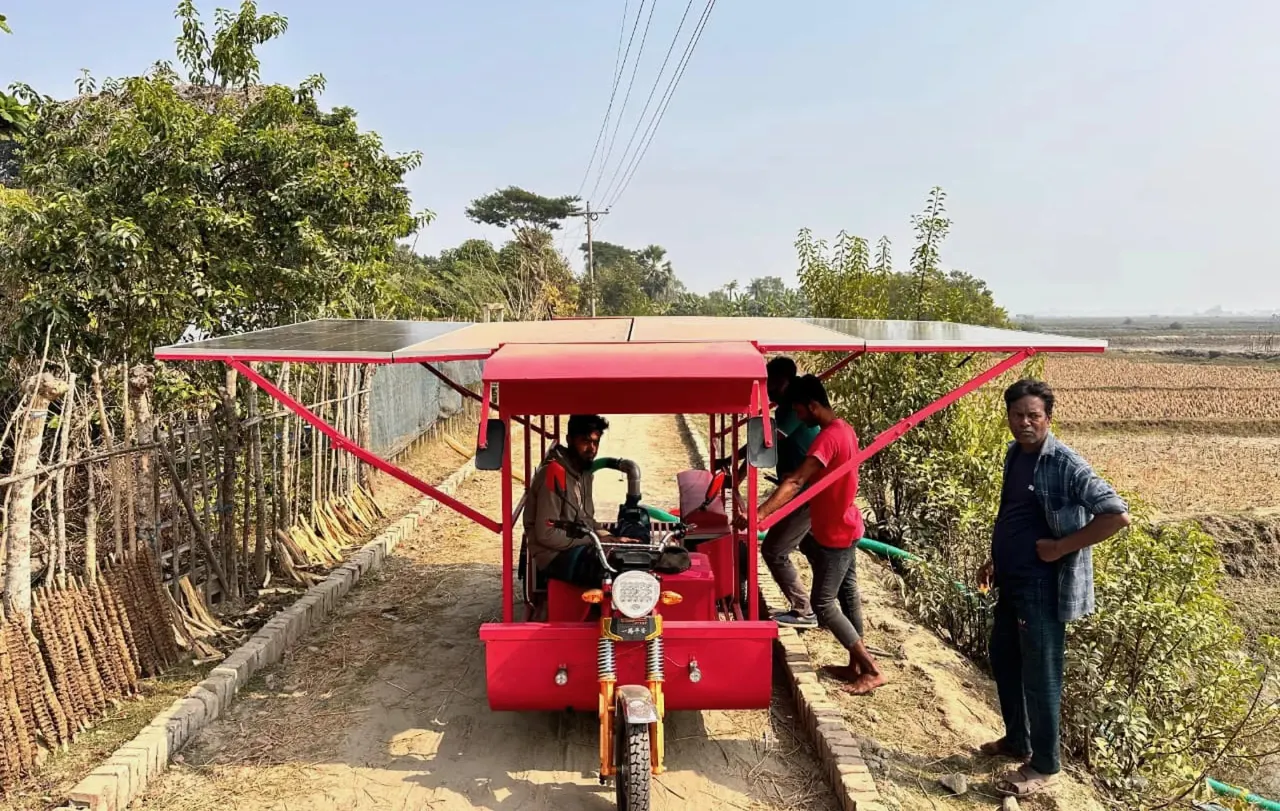
Ponkhiraj: Bangladesh's solar pump vehicle cuts irrigation costs tenfold

TOI-2535 b: the planet that vanished while astronomers watched

NEUSLeeP sleep patch uses ultrasound to reach REM 43 minutes sooner