Sanxingdui: Future Past, China's AI-made film, flops at the box office
China's first AI-heavy feature to get a cinema release made about 1.8 million yuan in three weeks, against a reported 10 million yuan budget.

 SUMO· the number puzzle
 Dialo· learn languages by speaking
 ediviewer· read EDI files like documents
 giftdetect· the right gift in minutes
Sanxingdui: Future Past, a feature film made largely with AI, has bombed in Chinese cinemas. In its first three weeks it took around 1.8 million yuan (about $270,000). The company behind it, Bona Film Group, puts the budget at roughly 10 million yuan.
The film opened on 23 October 2026. It is the first feature to use AI at every major stage of production and still get an official theatrical release in China. The AI did not work alone: about 100 writers, directors, artists and editors spent more than two years on it. AI generated images, video, characters, sets and part of the sound.
How was the AI film Sanxingdui: Future Past made?
The main tool was Boka Film Cloud Studio, Bona's own system, which plugs in third-party generative models including Vidu from ShengShu Technology. The team produced more than 1.2 million source images and reworked the whole film over 100 times. Bona's management says the real cost was about 10 million yuan, while a comparable traditional production would have needed at least 300 million.
The hard part was length. Most video models of the time produced clips from a few dozen seconds to a few minutes, so a 100-minute film had to be stitched together from many pieces, then fixed with editing, colour correction and lighting matching. Faces drifted, lip-sync slipped and backgrounds jumped between scenes. The makers admit they sometimes used editing tricks to hide the mismatches.
Why did it fail?
Viewers pointed to unnatural facial expressions, shifting visual style and a story that did not hold together. Specialists described the result as a set of video clips rather than one film. Another theory is expectation: people have already seen most AI video tricks on their phones, so a cinema ticket promised more.
Then there is the missing human touch. The animated film Ne Zha-style hit "Niu Lai", made by an amateur mother and son over five years, earned hundreds of millions of yuan this summer despite a simple plot and clumsy dialogue.
The Communist Party paper People's Daily criticised the film on Tuesday, saying its reception reflects wider problems in AI-based creative work, notably fragmented storytelling.
Apps worth a look
SUMO: the number puzzleTap the right tiles, add them up, hit the target. Easy to learn, hard to master. Free, for all ages.
Dialo: learn languages by speakingTalk to an AI conversation partner; every sentence comes back corrected and explained in your language. 9 languages, A1 to C2.
ediviewer: read EDI files like documentsOpen EDIFACT and X12 messages, see every segment explained, convert to JSON/XML, export PDF and Excel. Runs locally, no upload.
giftdetect: the right gift in minutesPick who it is for, the occasion and their personality. The search engine reads product descriptions from local shops and ranks what fits. Free, no sign-up.
More from this day
See all →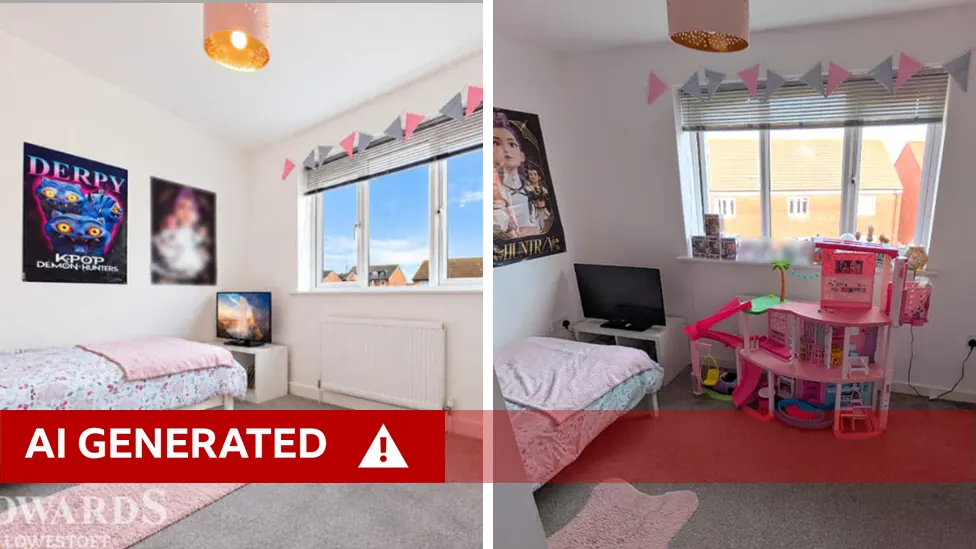
Housefishing: how AI-edited photos mislead UK house hunters
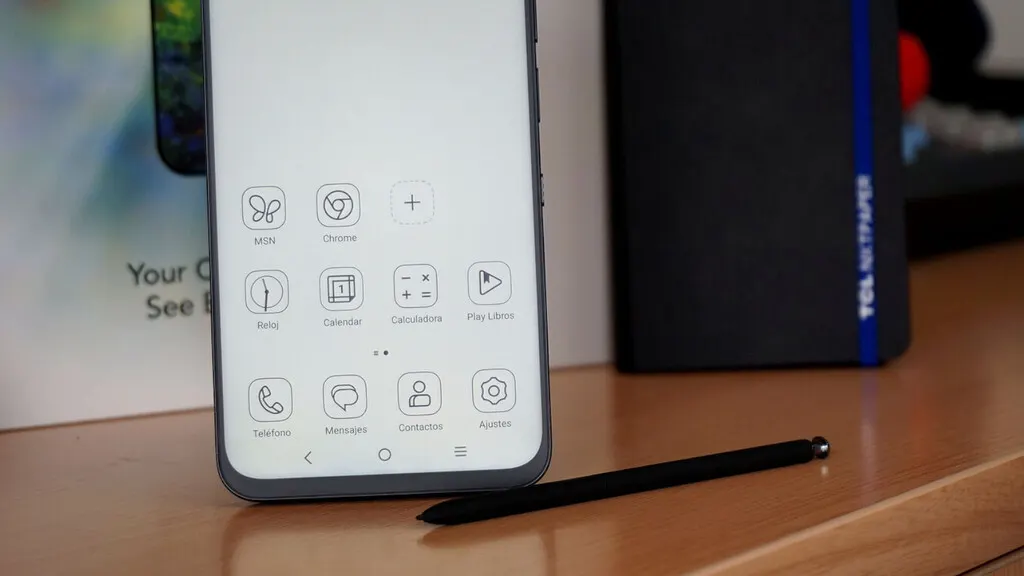
TCL NXTPAPER 60 Ultra: a 7.2-inch phone that mimics e-ink

Pink noise for Alzheimer's: Spanish trial boosts memory overnight