Apple Health AI Usage Study app lets 200,000 people ask medical questions
Apple has released a research app that works like ChatGPT for health questions. Up to 200,000 US iPhone users can join, and their chats are deleted after 24 hours.
 SUMO· the number puzzle
 Dialo· learn languages by speaking
 ediviewer· read EDI files like documents
 giftdetect· the right gift in minutes
Apple has built a chatbot for medical questions, but you can't simply download it and start asking. The Apple Health AI Usage Study app is part of a research project, open for now only to people in the United States.
The study aims to see how people use AI to get health answers, and whether those answers are reliable and safe. Apple is working with OpenEvidence, a company that makes medical AI. Apple wants up to 200,000 participants, and the study will run for more than 12 months. The timing is no accident: OpenAI has said its users ask more than 300 million health-related questions every week.
Who can join the Apple Health AI Usage Study?
Participants must be at least 21 and own an iPhone 15 or newer running iOS 26 or later, with Apple Intelligence switched on.
How does the app work?
You type a health or medical question, much as you would in ChatGPT or Claude, and get a simplified answer. Apple says the answers draw on sources such as The New England Journal of Medicine, JAMA and Nature, rather than generic replies with nothing behind them.
You can also link the app to Apple Health through HealthKit. That lets it use things like sleep patterns, resting heart rate, daily activity and lab results. The app can help you prepare for a doctor's visit and point you to the right type of provider. Participants can rate answers, send feedback and fill in monthly surveys.
What happens to your data?
Apple says data collected through the app won't be used to train AI models. Information is anonymised before it goes to an external secure cloud provider, so it can't be tied to a person. OpenEvidence deletes participants' questions and the AI's answers after 24 hours.
Dr. Sumbul Desai, Apple's vice president of health and fitness, said responsible health innovation has to rest on science and clinical evidence, and that a study is a good way to see how people use such tools in daily life. Apple hasn't said whether it plans to bring medical answers to the main Health app or to Siri.
Apps worth a look
SUMO: the number puzzleTap the right tiles, add them up, hit the target. Easy to learn, hard to master. Free, for all ages.
Dialo: learn languages by speakingTalk to an AI conversation partner; every sentence comes back corrected and explained in your language. 9 languages, A1 to C2.
ediviewer: read EDI files like documentsOpen EDIFACT and X12 messages, see every segment explained, convert to JSON/XML, export PDF and Excel. Runs locally, no upload.
giftdetect: the right gift in minutesPick who it is for, the occasion and their personality. The search engine reads product descriptions from local shops and ranks what fits. Free, no sign-up.
More from this day
See all →
GTA 6 leaker Arion Kurtaj pleads guilty three days before launch
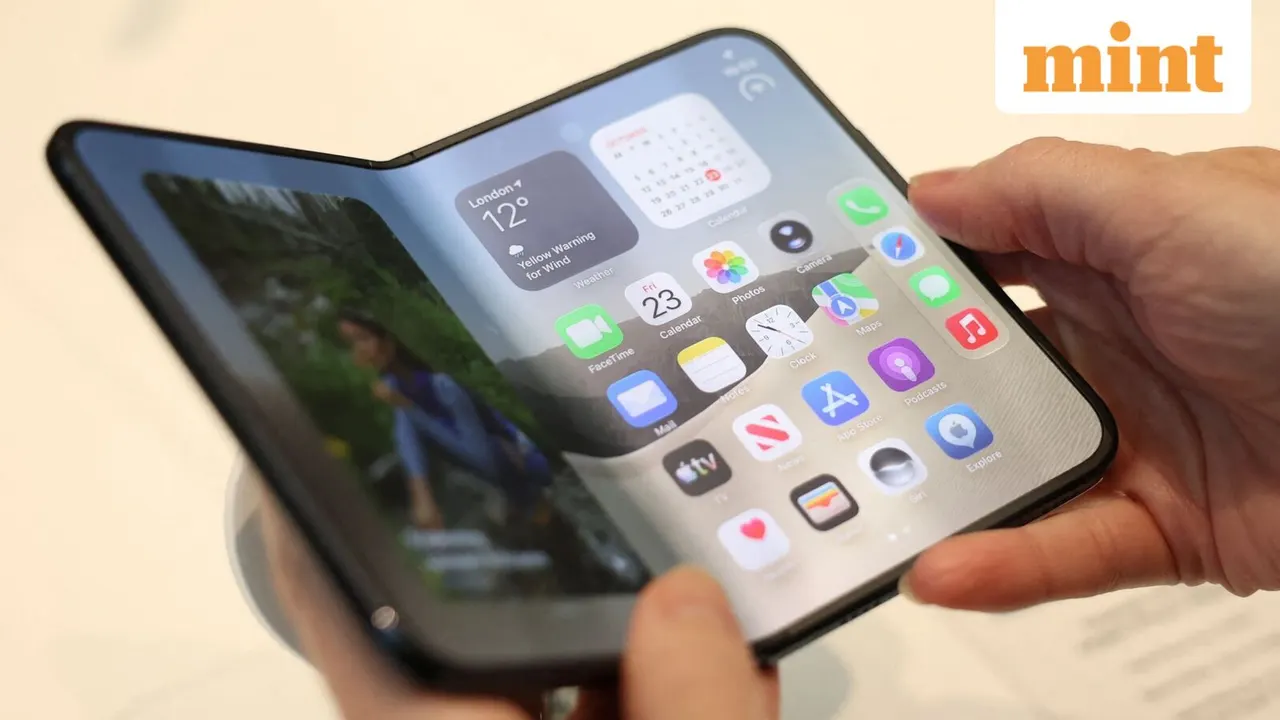
iPhone Duo face unlock arrives in iOS 27.3 beta, but it isn't Face ID

Jensen Huang loses his blue check on X, and Musk offers it free

Retro Song Bird speaker plays Game Boy cartridges as albums
More in: AI
See all →
Sam Altman says AI's pitch missed the mark as voters limit data centers

China AI in schools: a 13-year-old built 200 apps in class
DeepSeek free limits: 40,000-character cap and daily quota