120-Million-Year-Old Fossil Snail Shows Oldest Known Parenting
CT scans of river snail fossils from Fukui, Japan, found baby shells inside their mothers' shells. Researchers say it is the oldest direct evidence of its kind.
 SUMO· the number puzzle
 Dialo· learn languages by speaking
 ediviewer· read EDI files like documents
 giftdetect· the right gift in minutes
Fukui, Japan, is famous for dinosaurs. Now it has produced a fossil snail that was carrying its young, and researchers say it is the oldest evidence of snail parenting ever found.
A team led by researchers at the University of Tokyo studied freshwater snail fossils from the Kitadani Formation, a rock layer in Katsuyama, Fukui Prefecture, dated to about 120 million years ago. They scanned 313 individuals with X-ray CT, a technology that looks inside a fossil without breaking it. In 240 of them, small embryonic shells sat inside the mother's shell. The record was 16 in a single snail.
The scans also showed how the babies were arranged. Larger shells lay near the opening of the mother's shell, and they got smaller deeper inside.
What is ovoviviparity in snails?
The snails belong to the group known as river snails, which are ovoviviparous. That means they don't lay eggs. The eggs hatch inside the mother's body, and she gives birth to young that have already grown a bit. According to the team, this is the oldest direct evidence of the trait in freshwater invertebrates.
Females carrying embryos were on average about 1.22 times taller than those without, and their shells were rounder and more swollen. Modern river snails show a similar pattern: females raising many young have bigger shells than males.
Why did the baby shells survive?
Snail fossils from the dinosaur age were known before, but how they reproduced was unclear. Shells are mostly calcium carbonate, which can dissolve in some freshwater, and thin baby shells rarely survive as fossils.
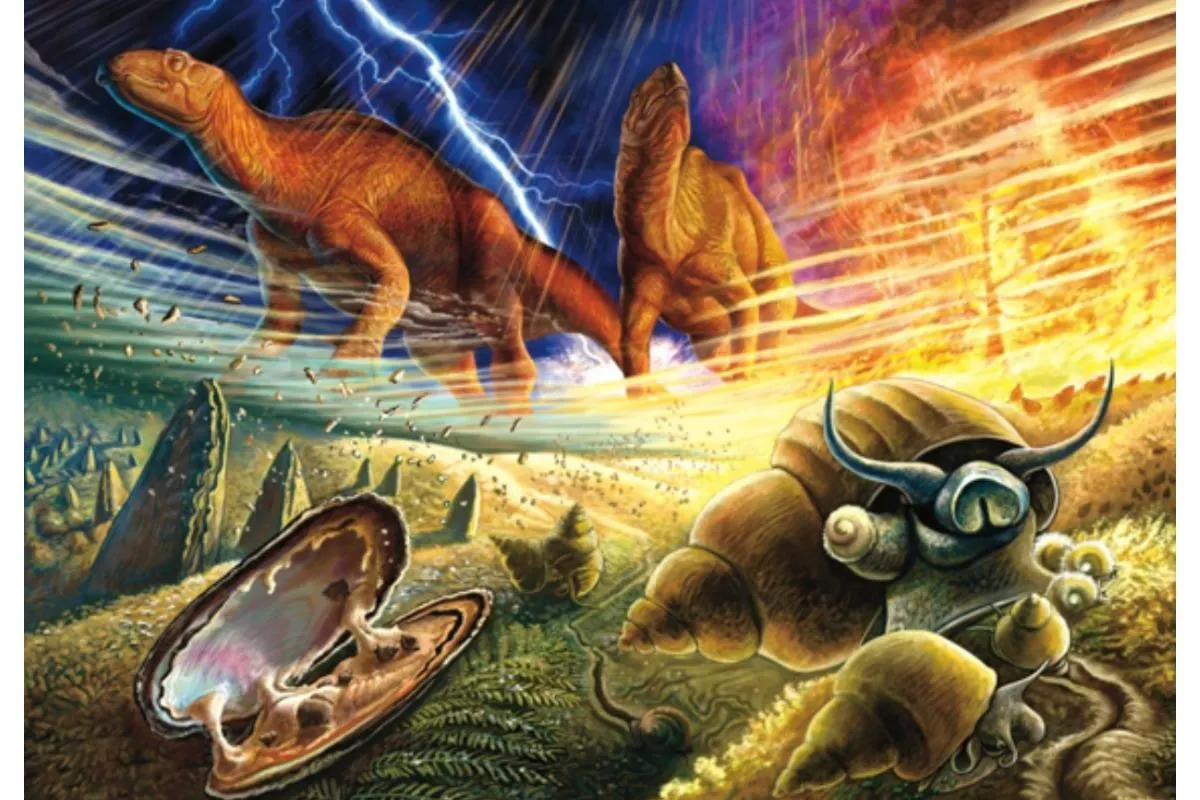
Inside the fossils, the team also found tiny pieces of charcoal that likely came from wildfires at the time. Their idea is that alkaline ash washed into rivers and lakes, softened the acidity of the water and stopped the shells from dissolving. A prehistoric forest fire may have helped preserve the baby snails.
The same dig site has yielded the dinosaurs Fukuiraptor, Fukuisaurus and Fukuititan, along with crocodile, turtle and fish fossils.
Apps worth a look
SUMO: the number puzzleTap the right tiles, add them up, hit the target. Easy to learn, hard to master. Free, for all ages.
Dialo: learn languages by speakingTalk to an AI conversation partner; every sentence comes back corrected and explained in your language. 9 languages, A1 to C2.
ediviewer: read EDI files like documentsOpen EDIFACT and X12 messages, see every segment explained, convert to JSON/XML, export PDF and Excel. Runs locally, no upload.
giftdetect: the right gift in minutesPick who it is for, the occasion and their personality. The search engine reads product descriptions from local shops and ranks what fits. Free, no sign-up.
More from this day
See all →
Anthropic is hiring a CBRN-E threat investigator for up to $290,000

TikTok AI check tool lets anyone test an image or video
Smartphone prices: flagships up 30% as memory costs soar

Windows 11 search update KB5132057 lets you type commands
More in: Science
See all →
First black hole image confirmed by independent AI analysis
Hayabusa2 drops asteroid 1998 KY26 after last thruster fails

SN 2026ahvu: a supernova caught early that may break the models