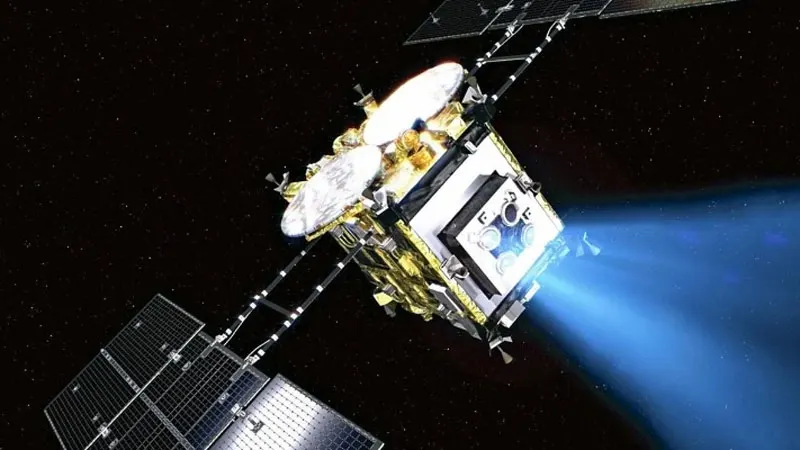
Hayabusa2 drops asteroid 1998 KY26 after last thruster fails
JAXA has scrapped Hayabusa2's trip to asteroid 1998 KY26, which some thought could be a lost Soviet probe. A failing ion engine forced the change.
 SUMO· the number puzzle
 Dialo· learn languages by speaking
 ediviewer· read EDI files like documents
 giftdetect· the right gift in minutes
Hayabusa2 will not visit asteroid 1998 KY26 after all. The Japanese space agency JAXA has dropped the target, and with it a chance to check an odd theory: that the rock might be the lost Soviet probe Phobos-1.
The reason is not the Soviet mystery. It is hardware. Hayabusa2 carries four xenon ion thrusters, called A, B, C and D. In mid-August 2026, the main working thruster began suffering repeated electrical discharges. Engineers tried to revive it for about two weeks and failed. Its ion source died, and the fault also hit that engine's power system.
By November three of the four thrusters were out, leaving only B. Engineers found a workaround they call a cross configuration: the ion source of thruster D paired with the neutraliser of thruster B. It works, but nobody can say how long it will last. Reaching 1998 KY26 in 2031 needed about 650 m/s of extra speed change, which meant more than 10,000 further hours of thruster operation. JAXA judged that too unreliable. So far the probe has used 57.3 kg of xenon and logged 20,153 hours of thruster time.
What is Hayabusa2's new target, asteroid 2015 BM510?
The probe will fly past the near-Earth asteroid 2015 BM510 in April 2028. There will be no landing and no orbit. The asteroid is estimated at 17 to 74 metres across and spins once every 49 minutes, about 9.5 times faster than Ryugu, where Hayabusa2 already collected samples. It is a D-type, a class considered fairly primitive and possibly rich in organic compounds and water.
The change of course needs only about 24 m/s, which JAXA plans to deliver with chemical thrusters able to provide up to 30 m/s. Scientists want to learn why such a small, fast spinner does not tear itself apart. The target is also faint, so aiming at it will demand precise navigation. JAXA says it would be the first look at a fast-rotating D-type asteroid.
What about the Phobos-1 theory?
This autumn, two papers reported matching brightness curves and suggested that sunlight pressure on spacecraft parts could explain the asteroid's non-gravitational acceleration. Hayabusa2 could have tested that. Now it won't.
Apps worth a look
SUMO: the number puzzleTap the right tiles, add them up, hit the target. Easy to learn, hard to master. Free, for all ages.
Dialo: learn languages by speakingTalk to an AI conversation partner; every sentence comes back corrected and explained in your language. 9 languages, A1 to C2.
ediviewer: read EDI files like documentsOpen EDIFACT and X12 messages, see every segment explained, convert to JSON/XML, export PDF and Excel. Runs locally, no upload.
giftdetect: the right gift in minutesPick who it is for, the occasion and their personality. The search engine reads product descriptions from local shops and ranks what fits. Free, no sign-up.
More from this day
See all →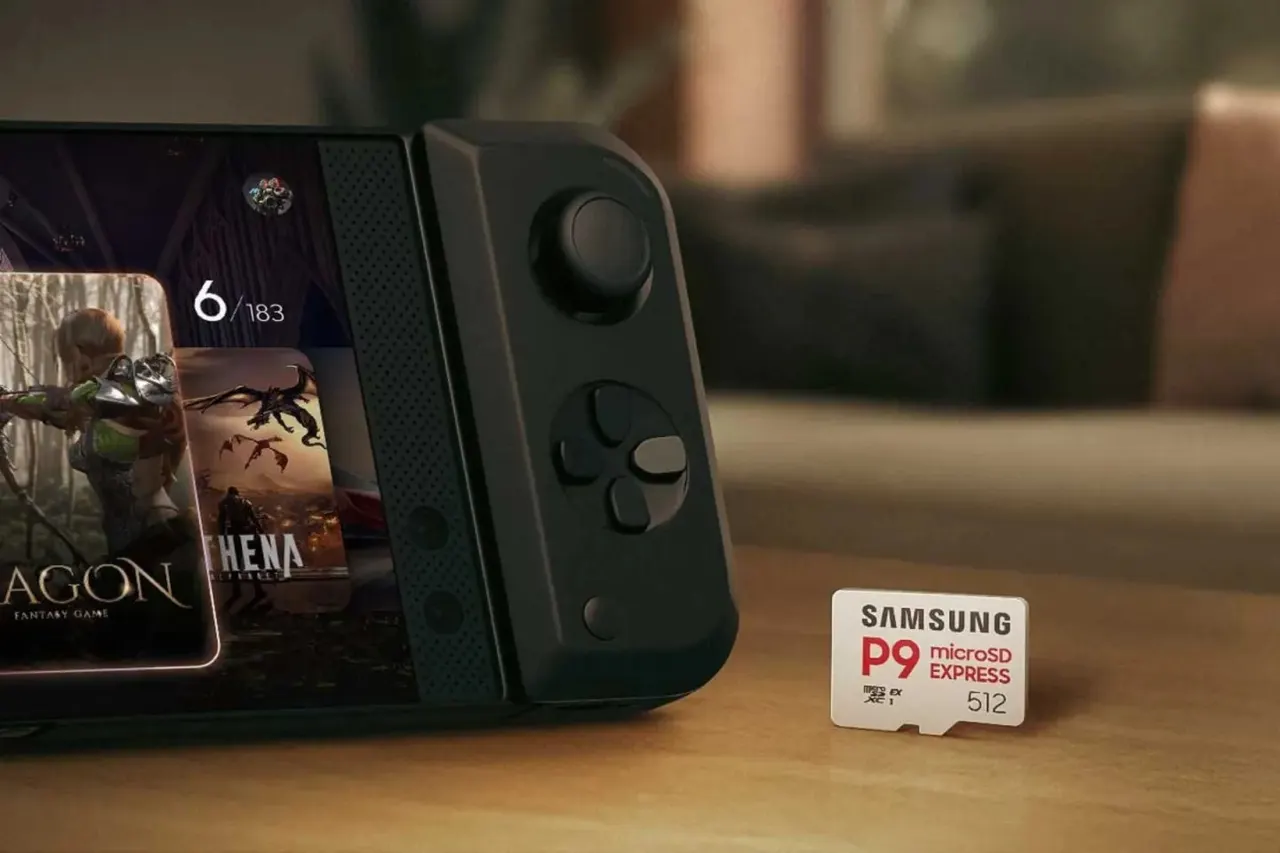
Switch 2 microSD Express card deals: 256GB from $44.99
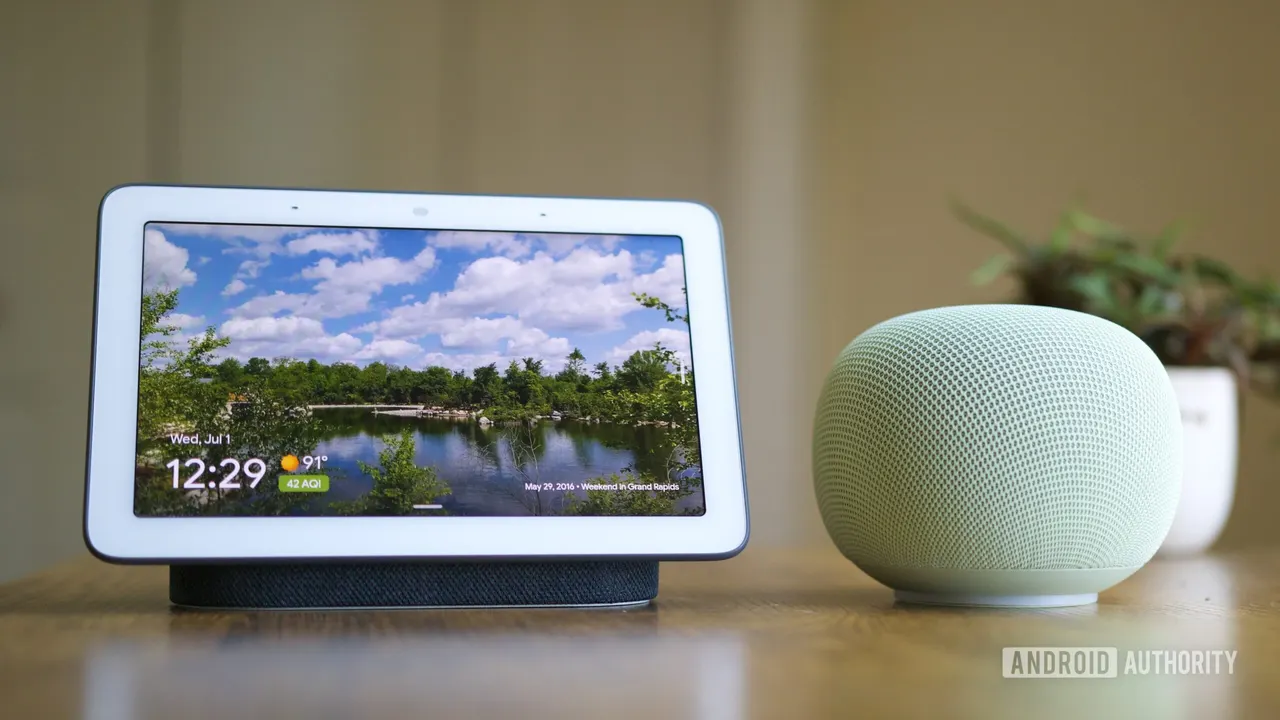
Google Assistant shuts down on Home speakers on August 2, 2027
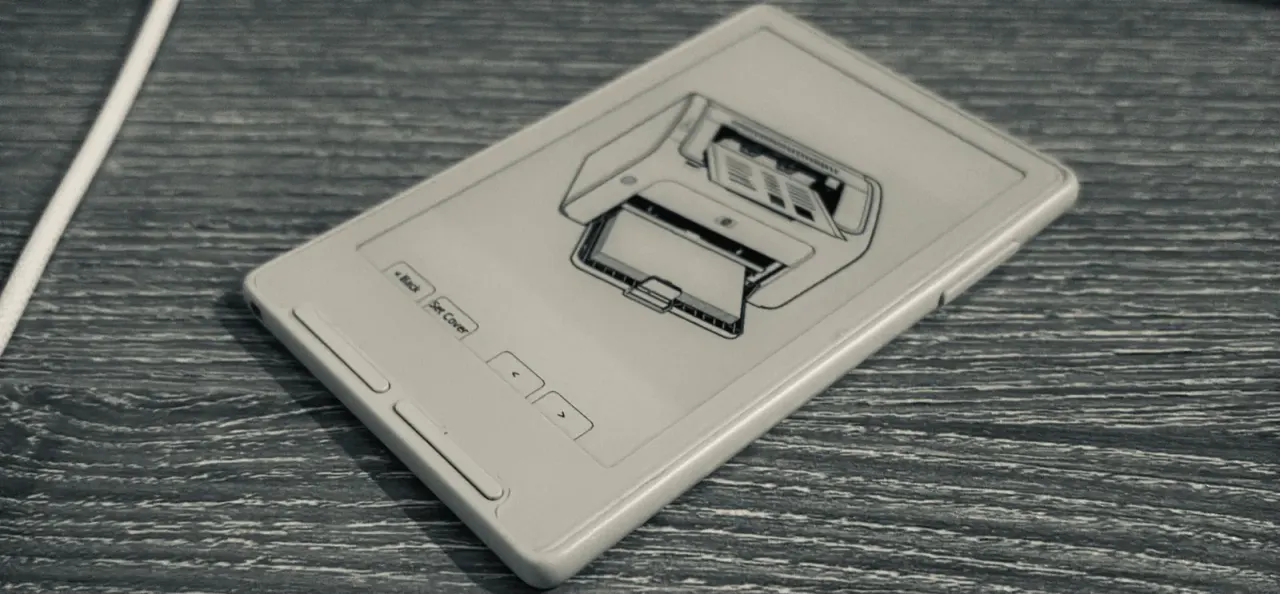
Xteink X3 e-ink reader turned into a Mac-compatible printer
VK Workspace subscription: user can't find how to cancel it
More in: Science
See all →
SN 2026ahvu: a supernova caught early that may break the models
Moon dust 3D-printed into Lego-style blocks, no glue needed
Iwo Jima volcano eruption: new land has fused with the island