Okinawa rail: frozen sperm grows a full embryo in a bird down to 720
Only about 720 Okinawa rails are left. Researchers used frozen sperm to get an embryo that developed fully, then died on hatching day. It still opens a path.
 SUMO· the number puzzle
 Dialo· learn languages by speaking
 ediviewer· read EDI files like documents
 giftdetect· the right gift in minutes
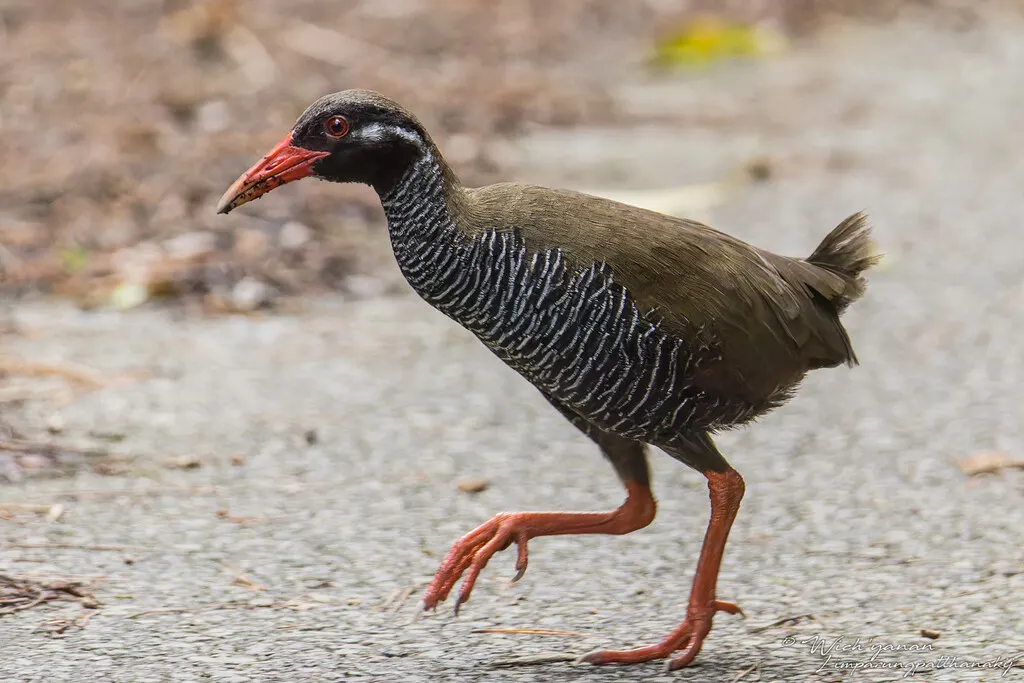
The Okinawa rail is a bird found only on one island in Japan, and BirdLife estimates about 720 are left, roughly 480 of them breeders. A new study in Nature suggests frozen sperm could help keep the species going.
The result is bittersweet. Researchers inseminated a female with thawed, cryopreserved sperm, and the embryo developed completely. On day 21, the expected hatching date, it died because it could not break out of the shell. That is not unusual even in normally conceived chicks, and the team still counts the full development as proof the method works.
How was the sperm frozen?
Freezing bird sperm is not new. Chicks have been born from frozen sperm in the American kestrel, sandhill crane, Canada goose and budgerigar. For the rail, the team had to adapt the method. They used N-methylacetamide as an antifreeze, a compound already proven in chickens. Its advantage is that it does not need to be removed before artificial insemination.
The sperm was collected by abdominal massage, and the volumes were tiny: 5 to 20 microlitres.
Why thaw at 4 ºC?
Mammal protocols usually thaw near 37 ºC. Here the samples were thawed at 4 ºC. The team admits it needs to study why that works, but the numbers back it. Sperm motility after thawing was between 25.1% and 46.1%, against 60% in fresh samples.
How solid is the evidence?
Not very, and the study is upfront about it. All the frozen sperm used for insemination came from a single male, number 127. There were three attempts. The first gave an unfertilised egg, the third produced no clutch, and the second gave the embryo.
The team has also frozen sperm from four other males in liquid nitrogen, following a strict protocol meant to protect the captive population's fragile genetic diversity. It is a less natural route to saving the bird, but one that now looks workable.
Apps worth a look
SUMO: the number puzzleTap the right tiles, add them up, hit the target. Easy to learn, hard to master. Free, for all ages.
Dialo: learn languages by speakingTalk to an AI conversation partner; every sentence comes back corrected and explained in your language. 9 languages, A1 to C2.
ediviewer: read EDI files like documentsOpen EDIFACT and X12 messages, see every segment explained, convert to JSON/XML, export PDF and Excel. Runs locally, no upload.
giftdetect: the right gift in minutesPick who it is for, the occasion and their personality. The search engine reads product descriptions from local shops and ranks what fits. Free, no sign-up.
More from this day
See all →
Foncier Innovant: France's AI tool that spots your garden shed

Can you still refuse a Linky meter? What the EU ruling means
New peanut worm species found in Japan's deep sea has saw-toothed hooks