Meta smart glasses ban: pools, schools and venues push back
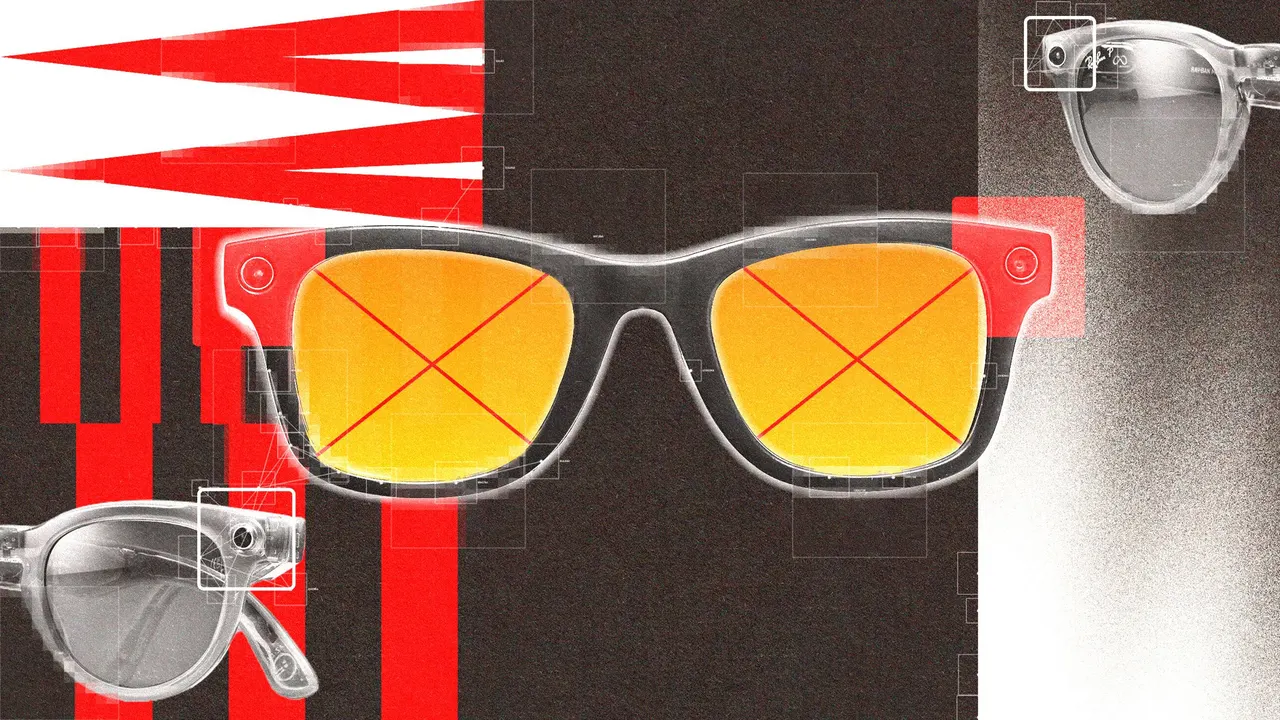
Swimming pools, schools, exam halls and music venues from Australia to the Netherlands are banning Meta Ray-Ban smart glasses. Here is who has done it and why.
 SUMO· the number puzzle
 Dialo· learn languages by speaking
 ediviewer· read EDI files like documents
 giftdetect· the right gift in minutes
A Dutch optician chain has pulled Meta's Ray-Ban glasses from about 400 shops. A Manchester music venue has told fans to leave theirs at home. The Meta smart glasses ban is spreading, one swimming pool and one classroom at a time.
The trigger is simple. Meta's Ray-Ban glasses have sold in the millions over the past year, and they hide a camera in an ordinary-looking frame. The only warning to bystanders is a small flashing light. Clips filmed without consent, including harassment of women, keep turning up online, and regulators in several countries have issued warnings. Liz Hunter, who started a Stop Smart Glasses campaign in the UK, asks what the world looks like when everyone is filming everyone else.
Where are smart glasses banned?
Most of the action is local. In Australia, Victoria will bar smart glasses from schools from the start of the 2027 school year, and a school ban has also been put in place in the west of the country. The City of Canterbury Bankstown voted unanimously to keep them out of pools and leisure centres. Hobart has done the same for its pool, and the Parkes Shire Council covers pools, libraries and childcare facilities.
In the Netherlands, 35 cultural venues in Groningen said the glasses have no place in their buildings, and 15 organisations in Wageningen followed, with exceptions for people with visual impairments. German local authorities have banned them from public pools and saunas and want staff trained to spot them. A Nova Scotia film festival and a New Zealand sci-fi expo have added them to prohibited-device lists.
South Korea's Ministry of Education banned them in exams. It said 111 candidates were caught with glasses or other AI cheating tools during a nationwide test.
What does Meta say?
A Meta spokesperson said people use the glasses for music, live translation and hands-free calls, and that they help some wearers stay independent. Limiting them would be "a major step backwards". The company also conceded that "some places shouldn't be filmed at all" and said existing rules should be applied consistently.
Google is launching camera glasses of its own, and Apple is reportedly working on augmented reality specs, so the argument is unlikely to go away.
Apps worth a look
SUMO: the number puzzleTap the right tiles, add them up, hit the target. Easy to learn, hard to master. Free, for all ages.
Dialo: learn languages by speakingTalk to an AI conversation partner; every sentence comes back corrected and explained in your language. 9 languages, A1 to C2.
ediviewer: read EDI files like documentsOpen EDIFACT and X12 messages, see every segment explained, convert to JSON/XML, export PDF and Excel. Runs locally, no upload.
giftdetect: the right gift in minutesPick who it is for, the occasion and their personality. The search engine reads product descriptions from local shops and ranks what fits. Free, no sign-up.
More from this day
See all →
iOS 27 parental controls: two months to set up one phone

Brainbot nanorobot uses infrared light to carry cancer drugs to the brain
Will AI replace lawyers and accountants? Korean firms say no