LUPEX moon rover: Japan and India hunt lunar water for fuel
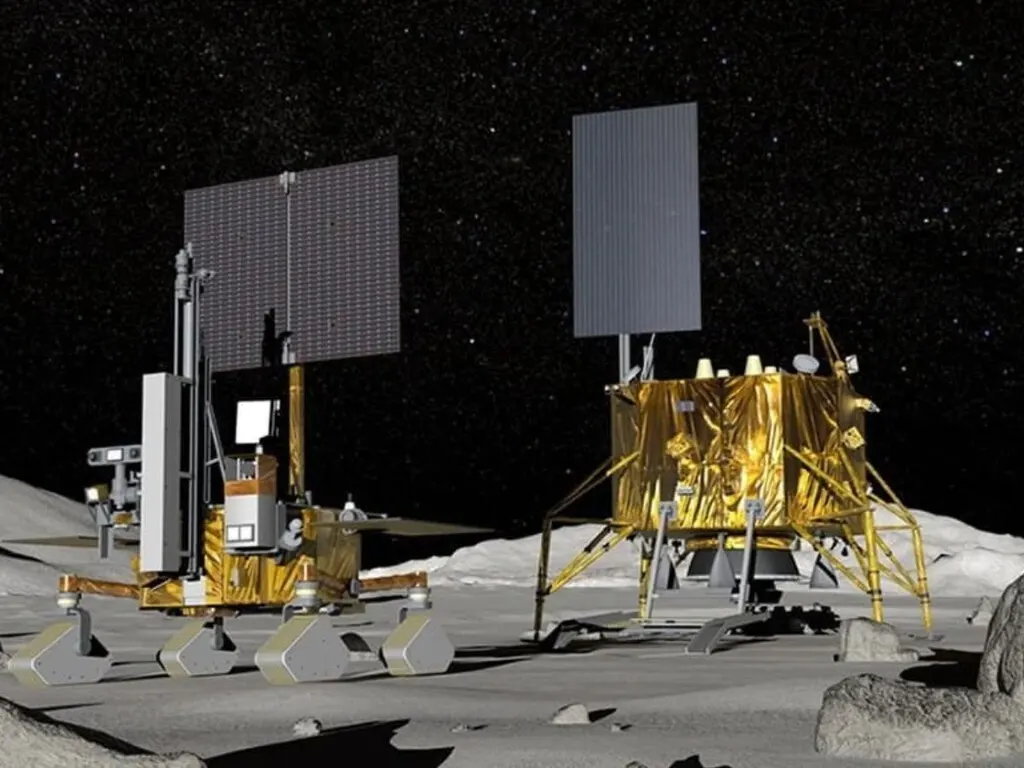
Japan showed off a test model of its LUPEX rover, due on the Moon in 2028 to check whether shadowed ice could become rocket fuel. China says it will start extracting in 2030.
 SUMO· the number puzzle
 Dialo· learn languages by speaking
 ediviewer· read EDI files like documents
 giftdetect· the right gift in minutes
Water on the Moon could one day fill rocket tanks, and three Asian space programmes are now lining up to find out. This week Japan's space agency, JAXA, showed a test model of the LUPEX rover in Tokyo. It is meant to reach the Moon in 2028.
LUPEX is a joint mission with India's space agency, ISRO. Japan supplies the rover, India supplies the lander. The target is the permanently shadowed regions of the Moon, where scientists suspect ice sits close to the surface. The rover is meant to find those deposits, drill into the ground and take water samples for analysis. The result should show whether there is enough water, and whether it is practical to use, for making rocket fuel.
The news comes only days after China set 2030 as the date to start extracting water and other resources from the Moon. That does not mean Japan is behind. Japan wants to analyse the water in 2028 to decide whether extraction is a good idea at all. China wants to be doing it just two years later.
How can lunar water become rocket fuel?
Through electrolysis: an electric current splits water into oxygen and hydrogen, and both can serve as propellants. JAXA believes this could supply future round trips to the Moon without hauling fuel up from Earth. It could also work as a gas station halfway to Mars.
What happened in the Tokyo tests?
JAXA tried a four-wheeled test model of the rover. It checked mobility in several conditions, including climbing slopes on a single wheel, driving continuously on two wheels and moving in a vacuum.
According to JAXA, the mission will launch on an H3 rocket no earlier than 2028 and should last 3.5 months after landing, up to a year at most.
Why the race matters
India is one of the few countries that has already landed on the Moon. Its Chandrayaan-3 lander Vikram touched down near the south pole in 2023 and released the Pragyan rover, which studied its surroundings for one lunar day. Japan has no large rover on the Moon yet, but its SLIM probe released two mini rovers, LEV-1 and LEV-2, in 2024.
The Outer Space Treaty bars any country from claiming sovereignty over the Moon, but it leaves legal gaps around extracting resources. Shadowed regions are scarce, so whoever uses them first gets a very big slice of the pie.
Apps worth a look
SUMO: the number puzzleTap the right tiles, add them up, hit the target. Easy to learn, hard to master. Free, for all ages.
Dialo: learn languages by speakingTalk to an AI conversation partner; every sentence comes back corrected and explained in your language. 9 languages, A1 to C2.
ediviewer: read EDI files like documentsOpen EDIFACT and X12 messages, see every segment explained, convert to JSON/XML, export PDF and Excel. Runs locally, no upload.
giftdetect: the right gift in minutesPick who it is for, the occasion and their personality. The search engine reads product descriptions from local shops and ranks what fits. Free, no sign-up.
More from this day
See all →
Faceit blocked in Belarus after scam wave using its brand

SAP cyberattack: stolen tokens may have exposed its GitHub code
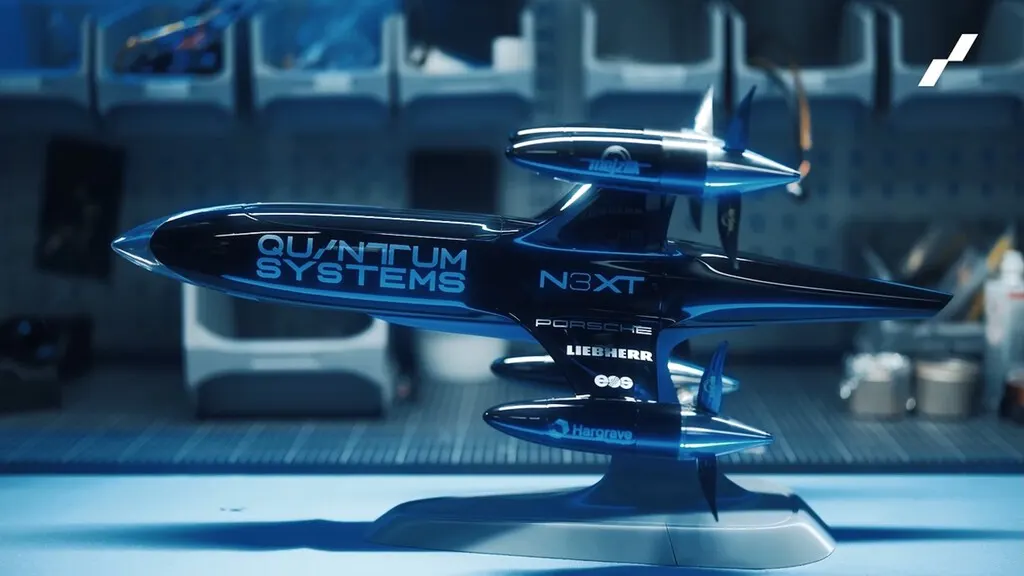
Apex Recordhunter drone hits 727 km/h, a battery-powered record

ePA criticism: ex-data protection chief Kelber says “it’s on fire”
More in: Space
See all →
Hera probe at Dimorphos: a stadium-sized crater and hundreds of rocks

Teledroid robot heads to the ISS: first spacewalk-style work in 2027
Kuiper Belt dust in Earth's stratosphere reveals heavy water