SAP cyberattack: stolen tokens may have exposed its GitHub code
SAP confirmed suspicious activity. Customer data looks untouched, but attackers may have used stolen staff tokens to copy or change code on GitHub.
 SUMO· the number puzzle
 Dialo· learn languages by speaking
 ediviewer· read EDI files like documents
 giftdetect· the right gift in minutes
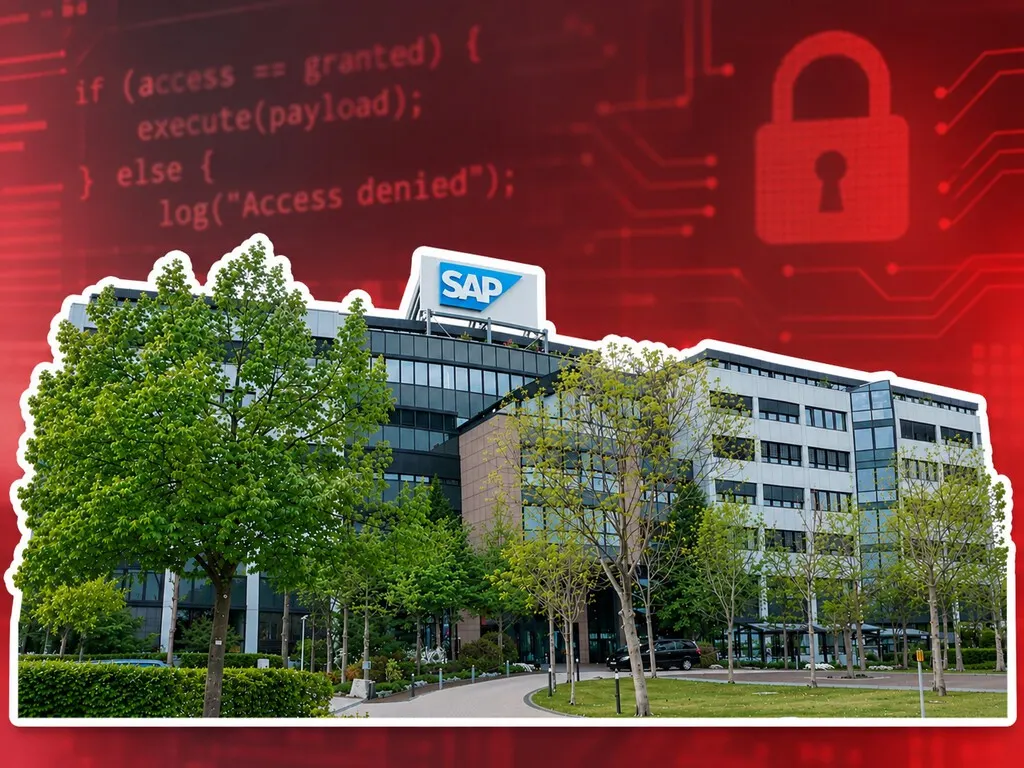
SAP, the German company whose software runs the accounting of much of Europe, has confirmed a cyberattack. The worry is not what was taken. It is what might have been left behind in its code on GitHub.
SAP said it had detected suspicious activity, as Der Spiegel first reported on Thursday. In its statement, the company said: "According to our investigation to date, we have found no evidence of unauthorised access to customers' business data." It also said it moved quickly to protect customers and the security of its services.
What happened at SAP?
The unofficial version comes from German press. The news agency DPA saw part of an internal notice, sent to staff several days earlier, asking them to check whether they needed to change their credentials. Sources cited by Der Spiegel say the attackers stole employees' authentication tokens, which are digital keys, and could have used them to copy and modify code on GitHub.
Handelsblatt reports that the target was the software development department, and that SAP found the intrusion last week. It then opened an internal operation called "Project Granite". That meant restricting GitHub access, halting development automations and replacing signing keys.
Why a code breach matters
Even with no sign that customer data was reached, changed code is the bigger risk. Code written on GitHub ends up, after being built and signed, inside the systems of thousands of organisations. The model case is SolarWinds, where, as the US cyber defence agency documented, someone added a malicious DLL during development and it was signed with the company's legitimate certificate.
SAP is not small. It has a market value of about $240 billion, and 98 of the world's 100 largest companies are customers, according to Fortune last year.
This is not its first incident of 2026. In April, other open-source SAP packages were tampered with malware to steal information, including credentials. There is no confirmed link to this case, nor to the Gentlemen ransomware group, which listed SAP on its leak site in late October. Sources cited by Der Spiegel also point to possible AI assistance for the attackers.
What happens next
EU rules require early warning to authorities within 24 hours under NIS2, and the Cyber Resilience Act, in force since 11 September, requires reporting serious incidents. It is not public whether SAP has notified anyone or whether the case falls under them. For customers, the sensible step is to verify signatures and updates through SAP's official channels, install them in stages and follow its security notes.
Apps worth a look
SUMO: the number puzzleTap the right tiles, add them up, hit the target. Easy to learn, hard to master. Free, for all ages.
Dialo: learn languages by speakingTalk to an AI conversation partner; every sentence comes back corrected and explained in your language. 9 languages, A1 to C2.
ediviewer: read EDI files like documentsOpen EDIFACT and X12 messages, see every segment explained, convert to JSON/XML, export PDF and Excel. Runs locally, no upload.
giftdetect: the right gift in minutesPick who it is for, the occasion and their personality. The search engine reads product descriptions from local shops and ranks what fits. Free, no sign-up.
More from this day
See all →
Faceit blocked in Belarus after scam wave using its brand

LUPEX moon rover: Japan and India hunt lunar water for fuel

Apex Recordhunter drone hits 727 km/h, a battery-powered record