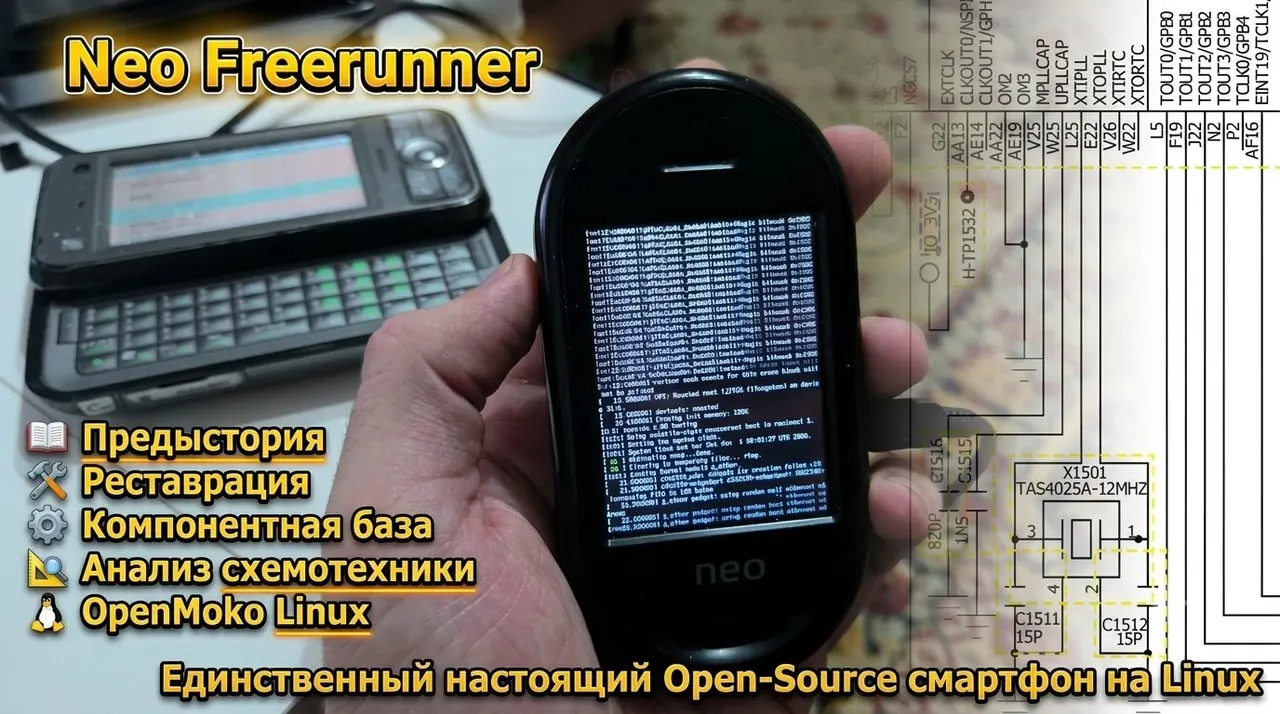
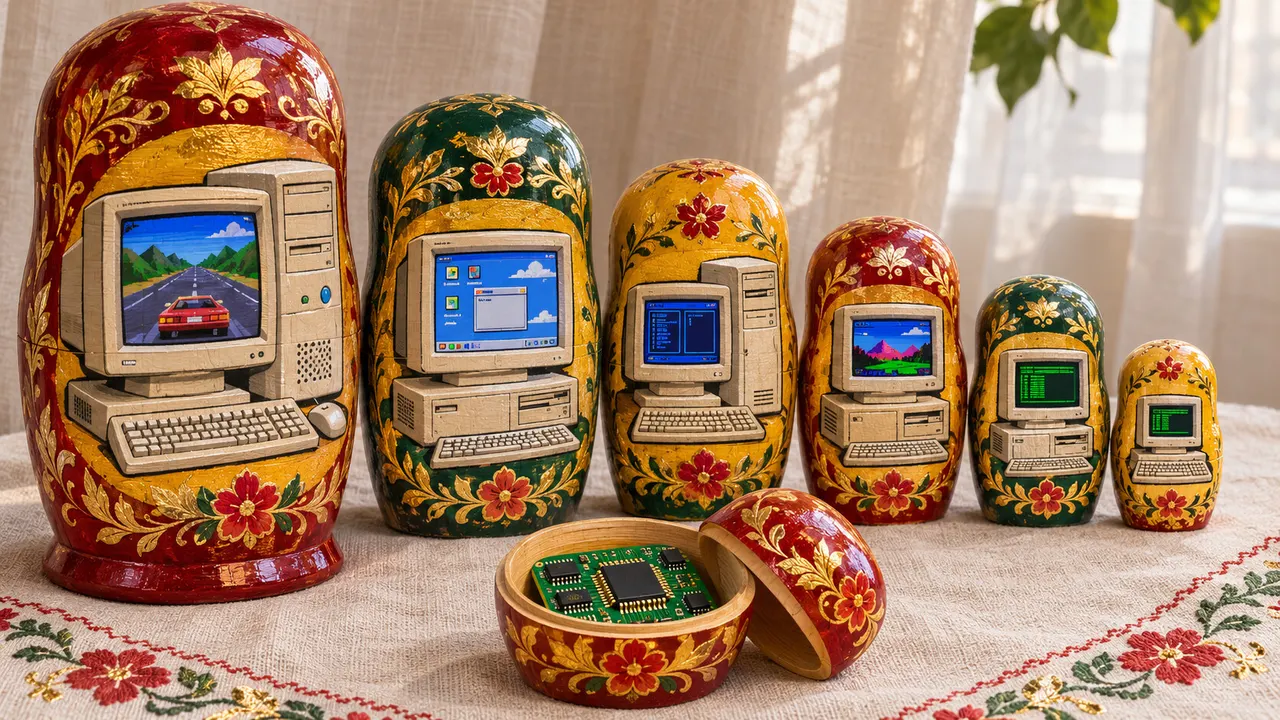
KR260 FPGA PC project runs six PCs, from 8088 XT to Windows 98
One AMD Kria KR260 board can become six different PCs, from an 8088 XT with CGA to a Pentium-class machine with a Voodoo card running Windows 98 SE.
 SUMO· the number puzzle
 Dialo· learn languages by speaking
 ediviewer· read EDI files like documents
 giftdetect· the right gift in minutes
One small AMD board can pretend to be six different PCs, from a 1980s XT to a Pentium-class box with a 3dfx Voodoo card running Windows 98. The KR260 FPGA PC project does it all on a Kria KR260, and you switch machines from an on-screen menu.
Each machine is its own bitstream, the configuration file that tells the FPGA (a chip you can rewire in software) what hardware to become. The list runs from an 8088 XT with CGA, to a cycle-accurate XT for demos like 8088 MPH, then a 286 AT with EGA, a 386 with VGA, and a 486 with an ET4000 card running Windows 95. The last is the Pentium-class machine.
How does the KR260 PC project work?
The Kria K26 module is an AMD Zynq UltraScale+. It has 117,120 six-input lookup tables in the FPGA, 2.5 MB of on-chip memory and four 64-bit Arm A53 cores with 4 GB of DDR4. The hardware that programs can see, meaning the CPU, chipset, video and sound cards, lives in the FPGA. Linux on the Arm cores handles the mechanical parts: disks, CD-ROM, network and USB keyboard and mouse.
Every bitstream shares one shell. It acts as a virtual monitor, measuring the sync signals from whatever video card is running, CGA, VGA or a demo's odd custom mode, then capturing the image and sending it out over DisplayPort. Sound goes out the same way. Each bitstream also has a logic analyzer that records bus cycles.
The Pentium-class machine
The biggest build has a PCI motherboard with a 430HX chipset, an S3 Trio64V+, a 3dfx Voodoo Graphics card and 64 MB of RAM, and it runs Windows 98 SE. There is no real Pentium in it. The CPU is a z486 at 100.2 MHz with some Pentium extras: CPUID, RDTSC, MSR and a pipelined x87 floating-point unit, but no MMX or CMPXCHG8B. It has 16 KB each of instruction and data cache plus 128 KB of level 2.
It fills 93% of the chip's lookup tables and 97% of its block RAM, and a build takes about an hour.
Can you download it?
Not as a ready-made image. The 386, 486, Pentium and cycle-accurate XT bitstreams contain original Intel microcode recovered by other CPU projects, which the authors can't distribute. You build it yourself with the free Vivado 2026.1, and the CPU sources are fetched from their own repositories. Vendor BIOSes work the same way.
Much of the project builds on others' work, including nand2mario's z386, z486 and zSST Voodoo cores, and MartyPC as a reference for EGA and VGA.
Apps worth a look
SUMO: the number puzzleTap the right tiles, add them up, hit the target. Easy to learn, hard to master. Free, for all ages.
Dialo: learn languages by speakingTalk to an AI conversation partner; every sentence comes back corrected and explained in your language. 9 languages, A1 to C2.
ediviewer: read EDI files like documentsOpen EDIFACT and X12 messages, see every segment explained, convert to JSON/XML, export PDF and Excel. Runs locally, no upload.
giftdetect: the right gift in minutesPick who it is for, the occasion and their personality. The search engine reads product descriptions from local shops and ranks what fits. Free, no sign-up.
More from this day
See all →
Ecoasis AgTech Park: Tomatoes Grown on Data Center Heat

TCP port 0: someone ran an IRC network on it, then scanned IPv4
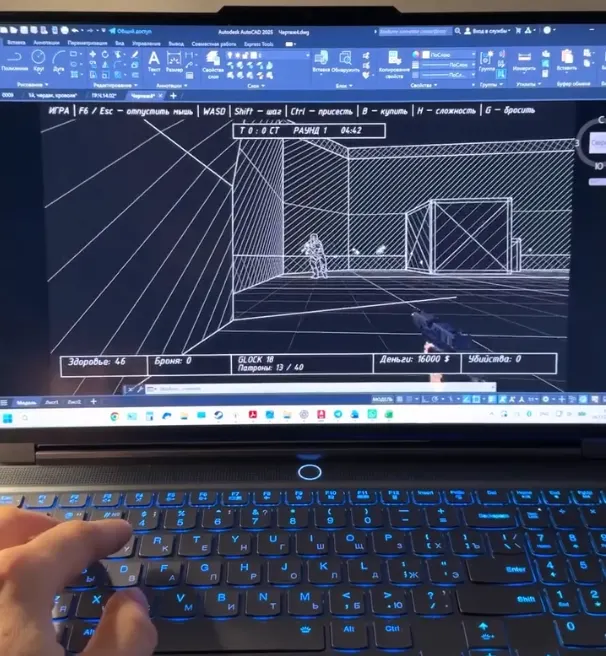
AutoCAD-CS lets you play Counter-Strike 1.6 inside AutoCAD

PizzaBo founder regrets selling his pizza app for €51 million
More in: Hardware
See all →
Fritzbox as NAS: turn your router into network storage

Meta smart glasses ban: pools, schools and venues push back

How long does a smart TV last? Usually 7 to 10 years