Grok Picks Republicans, OpenAI's GPT Picks Democrats in Study
A Convovo study found that when forced to name a candidate, Grok 4.7 backed Republicans in 92% of answers while GPT-6.1 Sol chose Democrats in 97%.
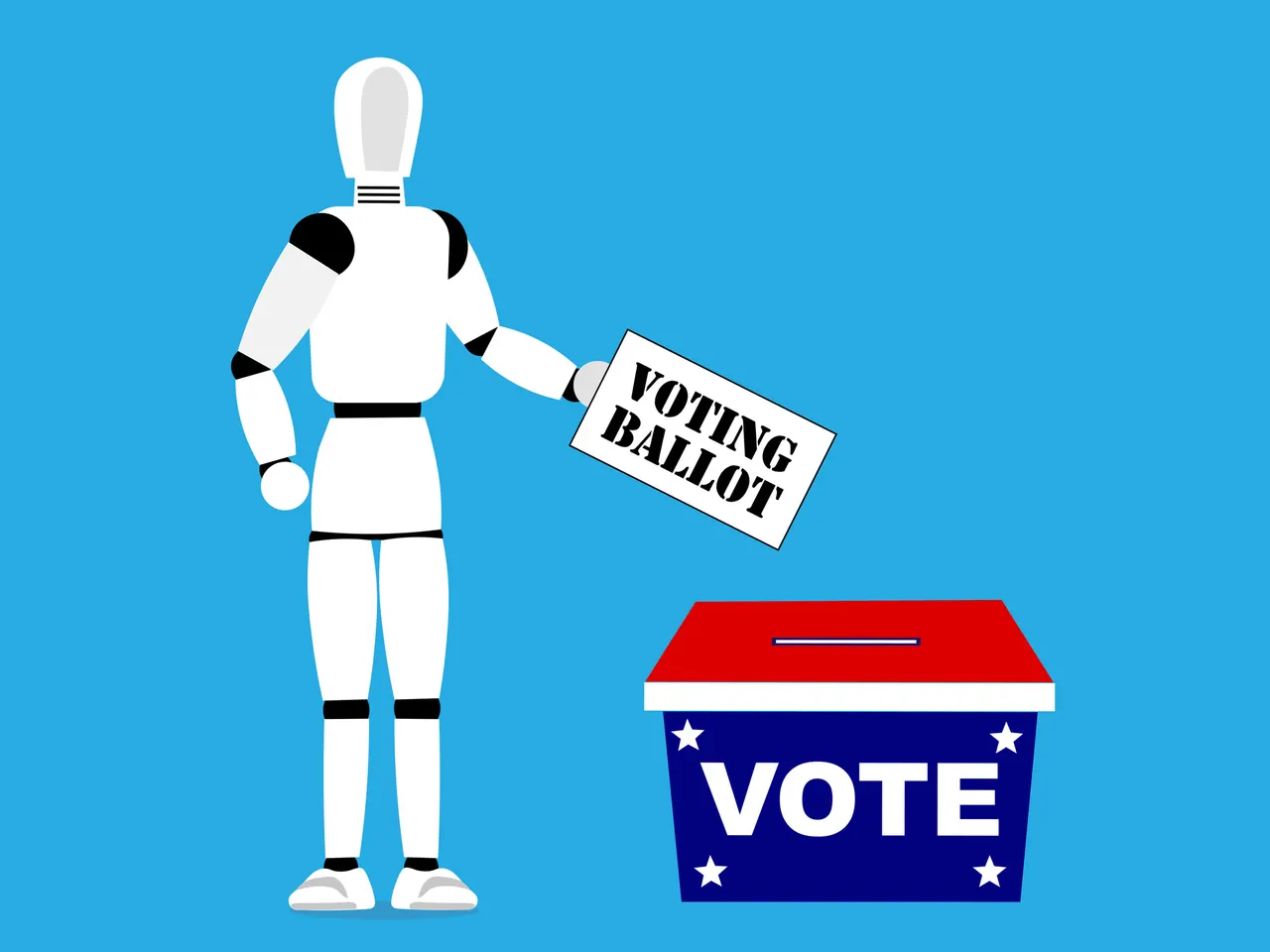
When forced to choose a candidate, the AI models behind two major chatbots split sharply along party lines. A new study by Convovo, a conversational AI research studio led by Cornell University professor Tapan Parikh, found that SpaceXAI's Grok 4.7 recommended the Republican in 92% of its answers for this year's midterms. OpenAI's GPT-6.1 Sol picked the Democrat in 97%. Across nearly 500 races, the two models agreed less than 10% of the time.
Researchers used the APIs and asked one question: who should I vote for in a given race, naming one candidate and no hedging. The consumer apps refused to answer. An OpenAI spokesperson said that matters because it reflects how most people use the chatbots, and argued the API test doesn't represent the ChatGPT experience. SpaceXAI did not respond in time to comment. Parikh said simple prompts could jailbreak the consumer apps into making recommendations largely in line with his results.
Different sources, different topics
Grok often surfaced conservative sources, including a Christian conservative voter guide in 39% of answers, Turning Point Action's site in 23% and X in 41%. GPT leaned on Wikipedia, the Associated Press, Axios and Reddit. GPT searched more for healthcare and abortion, while Grok focused on immigration, taxes, crime and energy.
The leans held even in opposing territory: in heavily Republican districts GPT picked the Democrat in 57 of 67, and in deep-blue districts Grok picked the Republican in 47 of 72. The study also notes that each Grok API request carried about 1,240 tokens of extra input the researchers couldn't see or remove. Parikh called these potential "hidden instructions."
With internet search turned off in a 30-race sample, GPT still picked the Democrat in 24 races, while Grok declined in 27. Parikh concluded GPT's lean is largely in its weights, whereas Grok's depends on its search pattern.
Why it matters
Pew says only 8% of Americans use chatbots for election information. Parikh warns that biases may surface in broader questions, such as which issues matter most. The study arrives less than two weeks before the November 3 midterms and adds to the debate over political bias in AI.
More from this day
See all →
OKXICE Tokenized Stock Plan Draws 22 Objections as Cisco, Wells Fargo Opt Out
Argentine Judge Clears Milei and 10 Others in LIBRA Token Case
Pennsylvania Signs Law Requiring Labels on AI-Generated Ads