Germany Ranks Last in the EU for Smart Meter Rollout
Only 5.9 percent of metering points in Germany have a smart meter, the lowest share among 24 EU countries. The EU average is 65.6 percent.
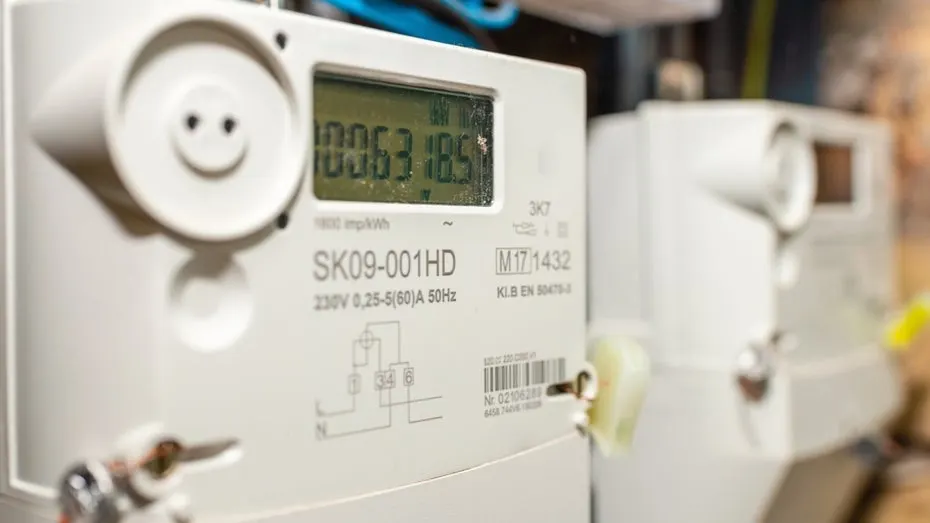
Germany sits in last place among 24 EU countries for smart meter adoption, and by a wide margin. Only 5.9 percent of its metering points have an intelligent electricity meter, according to an overview from energy provider 1Komma5°. The EU average is 65.6 percent, and about a dozen countries, from Denmark to Italy, Portugal and Slovenia, have reached near-full coverage. No data was available for Romania, Greece and Bulgaria.
Missed targets in the mandatory segment
Smart meters allow flexible power tariffs and the targeted switching of loads to relieve the grid. That pays off mainly for households or businesses with large shiftable loads such as heat pumps or electric cars. For that reason, the devices are mandatory for households using more than 6,000 kilowatt hours a year and for those with controllable consumers.
Metering point operators were supposed to equip at least 20 percent of this mandatory segment by the end of 2025. Of the 800 companies covered, 434 failed to reach even that quota, and in more than 40 grid areas not a single meter was installed. The Bundesnetzagentur now plans to use coercive fines against operators that have not met their obligations.
The problem mainly affects smaller firms. The 19 largest operators, each with more than 500,000 metering points, exceeded the target with almost 30 percent. The roughly 600 operators with fewer than 30,000 metering points average just over 19 percent, which suggests they are overwhelmed by the rollout.
Strict rules and a weak grid picture
Another cause is the strict security regime the federal government originally chose. Smart meters could only be transported sealed to prevent tampering, and German devices must also be able to actively control consumers, which is often technically unnecessary. Since summer, households can voluntarily choose a "Smart Meter light" that only records consumption.
The effect of smart meters on the grid should not be overstated, but the low installation rate points to a wider problem: the poor digitalization of the power grid. Many distribution grid operators do not know how heavily their lines and transformers are loaded, and where and when. That is a key reason connections for wind turbines, solar plants, battery storage and charging stations are delayed.
Apps worth a look
 SUMO: the number puzzle
Tap the right tiles, add them up, hit the target. Easy to learn, hard to master. Free, for all ages.
 Dialo: learn languages by speaking
Talk to an AI conversation partner; every sentence comes back corrected and explained in your language. 9 languages, A1 to C2.
 ediviewer: read EDI files like documents
Open EDIFACT and X12 messages, see every segment explained, convert to JSON/XML, export PDF and Excel. Runs locally, no upload.
More from this day
See all →
Nojima Online Breach Exposes About 7 Million Member Records

Anthropic Uses Claude to Design Its Own AI Chips, Investors Told
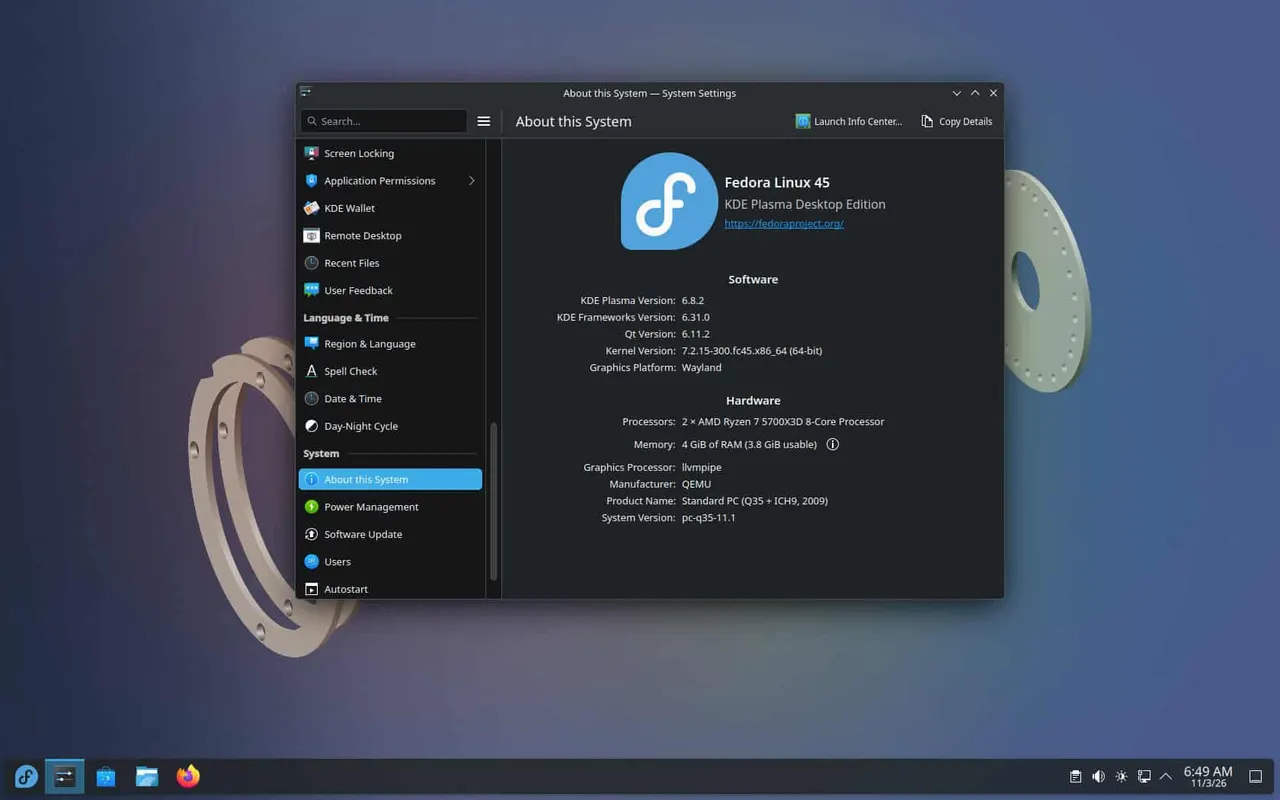
Fedora Linux 45 Released with GNOME 51, Kernel 7.2 and RPM 6.1

Windows 11 26H2 now available to most compatible PCs, Windows 10 included
More in: Other
See all →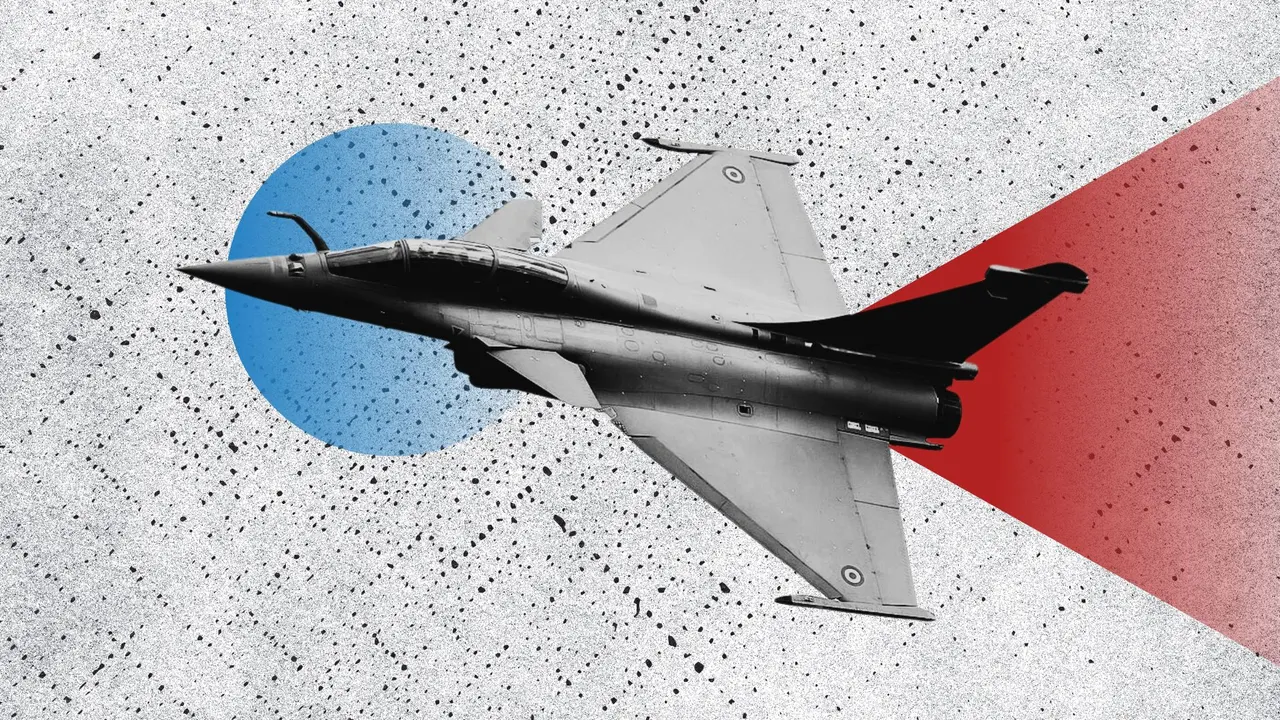
Rafale B374 test aircraft delivered to prepare the future F5
Monocam: Transport Minister Backs Nationwide Phone-Detection Cameras
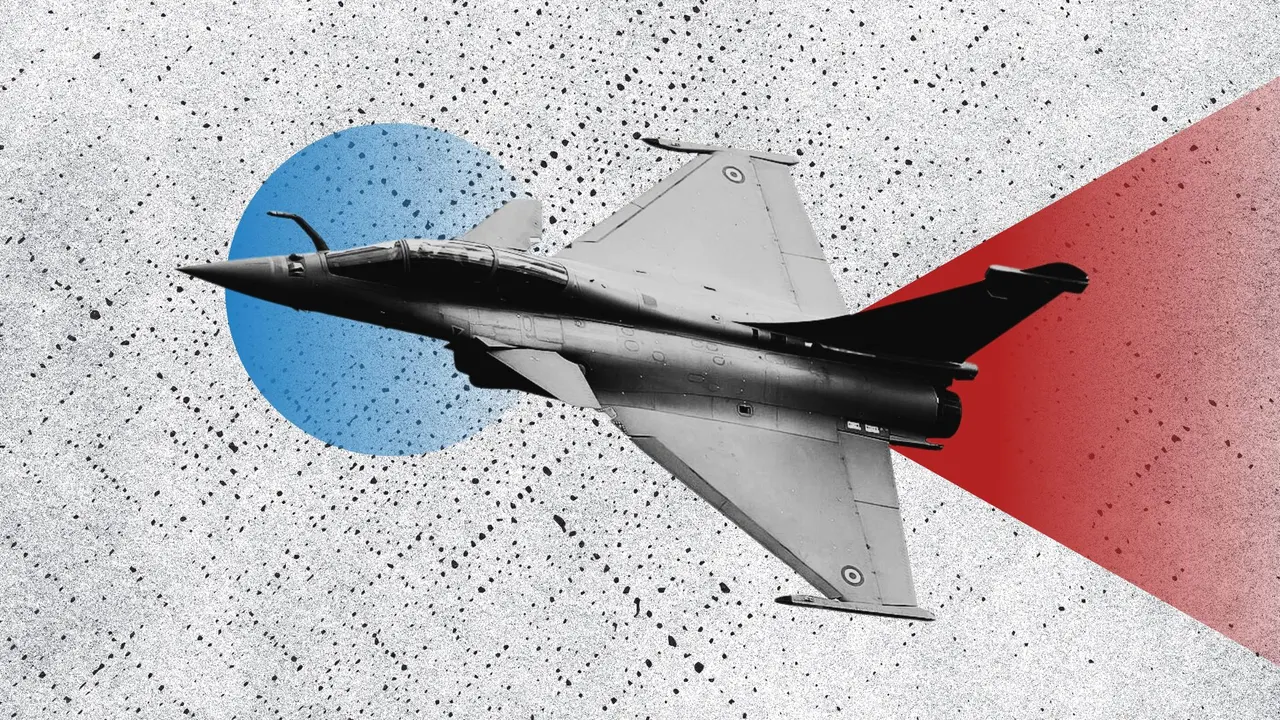
Rafale B374 Delivered to DGA as Flying Lab for the F5 Standard