Fedora Linux 45 Released with GNOME 51, Kernel 7.2 and RPM 6.1
Fedora Linux 45 is out with GNOME 51, KDE Plasma 6.8 and Linux 7.2. RPM now verifies signatures by default, and atomic editions get a web-based installer.
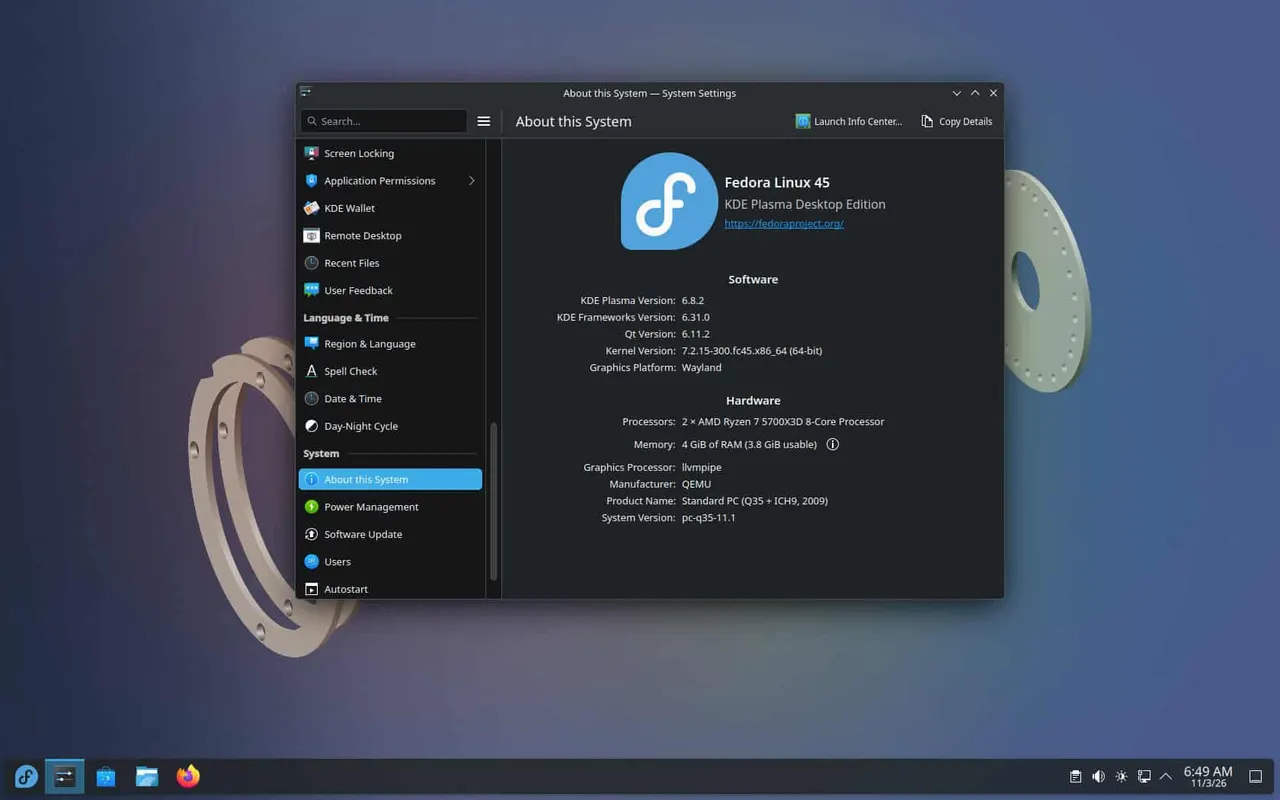
Fedora Linux 45 was released in early November 2026. Installation images are available for download. The new version ships with GNOME 51 or KDE Plasma 6.8, Linux kernel 7.2, GCC 16.2, LLVM 23, Go 1.27, Python 3.15, OpenSSL 4.0 and Podman 6, among other updated components.
The previous release, Fedora Linux 44, appeared in April 2026, continuing the project's roughly six-month cycle.
Security and packaging changes
RPM now checks digital signatures of packages by default. Installing an unsigned package, or one with an invalid signature, produces an error unless the user explicitly runs rpm with the "-nosignature" flag. Previously RPM itself only verified integrity through hashes, while authenticity was checked by YUM and DNF.
RPM itself moves to version 6.1. It introduces a new syntax for macro modifiers, restores NSS as the default for looking up users and groups, fixes a problem where all rpmdb queries stalled during transactions, and can sign files using PKCS11 tokens. A new "%openpgpverify" macro lets packages use the Rust-based Sequoia toolkit instead of GnuPG for verification.
Repository configuration files that are installed along with a repository move from /etc/yum.repos.d to /usr/share/dnf5/repos.d, and PGP keys move to /usr/share/pki/rpm-gpg. This should make it easier to separate default settings from those edited by the user.
Desktop and installer
GNOME 51 brings optimizations aimed at smoother output and fewer freezes during animations or heavy load. It adds automatic switching between landscape and portrait orientation on devices with an accelerometer, smart card forwarding in remote desktop sessions, enterprise web-service authentication on the login screen, and SVG vector cursors.
The atomic editions, including Silverblue and Kinoite, replace the GTK-based Anaconda installer with Anaconda WebUI, already used in Fedora Workstation. It supports remote installation: a user boots the target machine with the "inst.webui.remote" option and controls the process from a browser on another computer, with PIN authentication and encrypted traffic.
Desktop editions also swap gnome-keyring and kwallet for oo7, a Rust-written Secret Service provider, and the kernel fbcon console driver gives way to the user-space kmscon, which uses KMS and offers better rendering, font and Unicode support. Maintainers of atomic editions can now allow installing selected verified apps from Flathub instead of Fedora's own rebuilt Flatpaks.
Apps worth a look
 SUMO: the number puzzle
Tap the right tiles, add them up, hit the target. Easy to learn, hard to master. Free, for all ages.
 Dialo: learn languages by speaking
Talk to an AI conversation partner; every sentence comes back corrected and explained in your language. 9 languages, A1 to C2.
 ediviewer: read EDI files like documents
Open EDIFACT and X12 messages, see every segment explained, convert to JSON/XML, export PDF and Excel. Runs locally, no upload.
More from this day
See all →
EGG UP Launches WEARLOG to Track Rented Garments for TV Stylists

Saramin's KoMate Grows Foreign Members 260% a Year in 2 Years

South Korea Hires 19 More Private Experts for National AI Unit
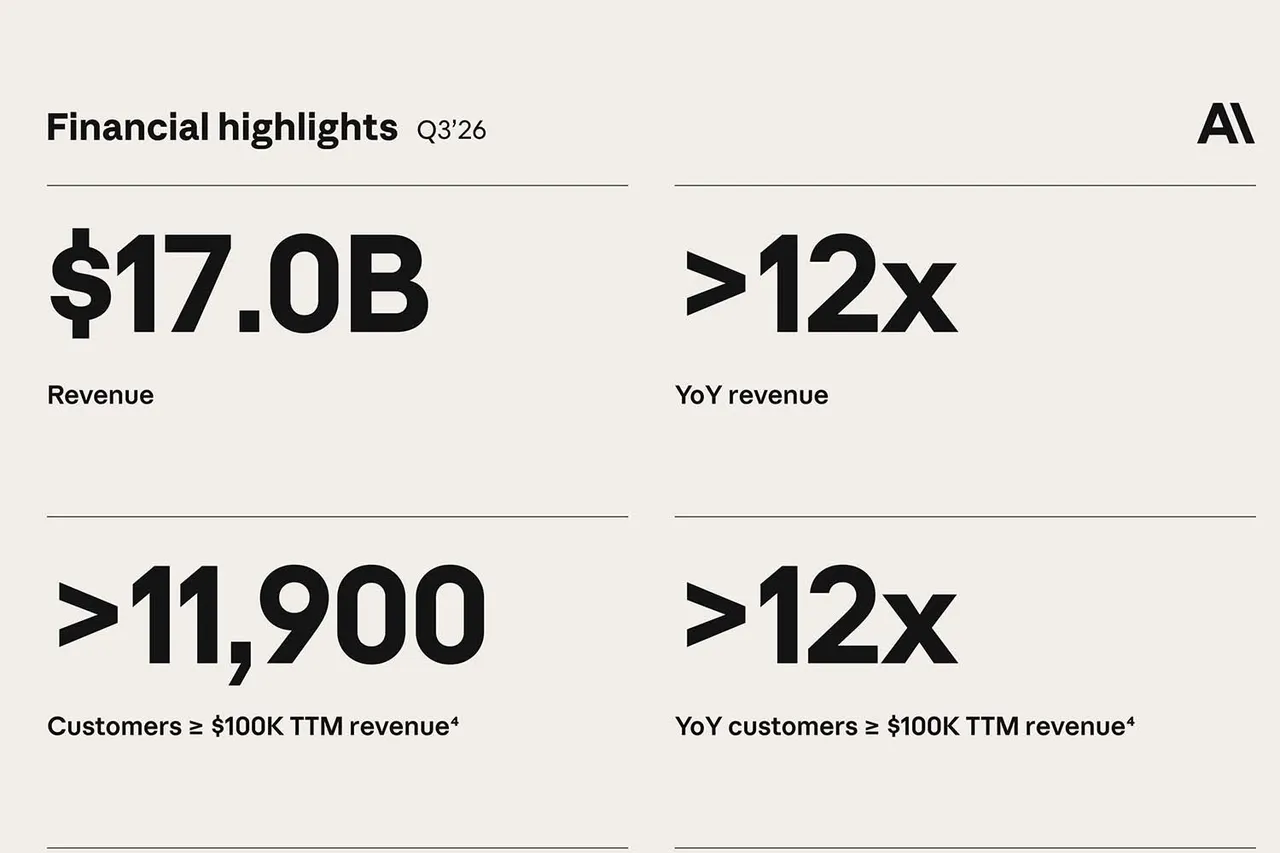
Anthropic Q3 Revenue Hits $17 Billion in Updated IPO Filing
More in: Software
See all →
Windows 11 26H2 now available to most compatible PCs, Windows 10 included

Netflix launches AI Discover tab to pick shows by your mood

South Korea Eases Rules for Privately Funded Public Software