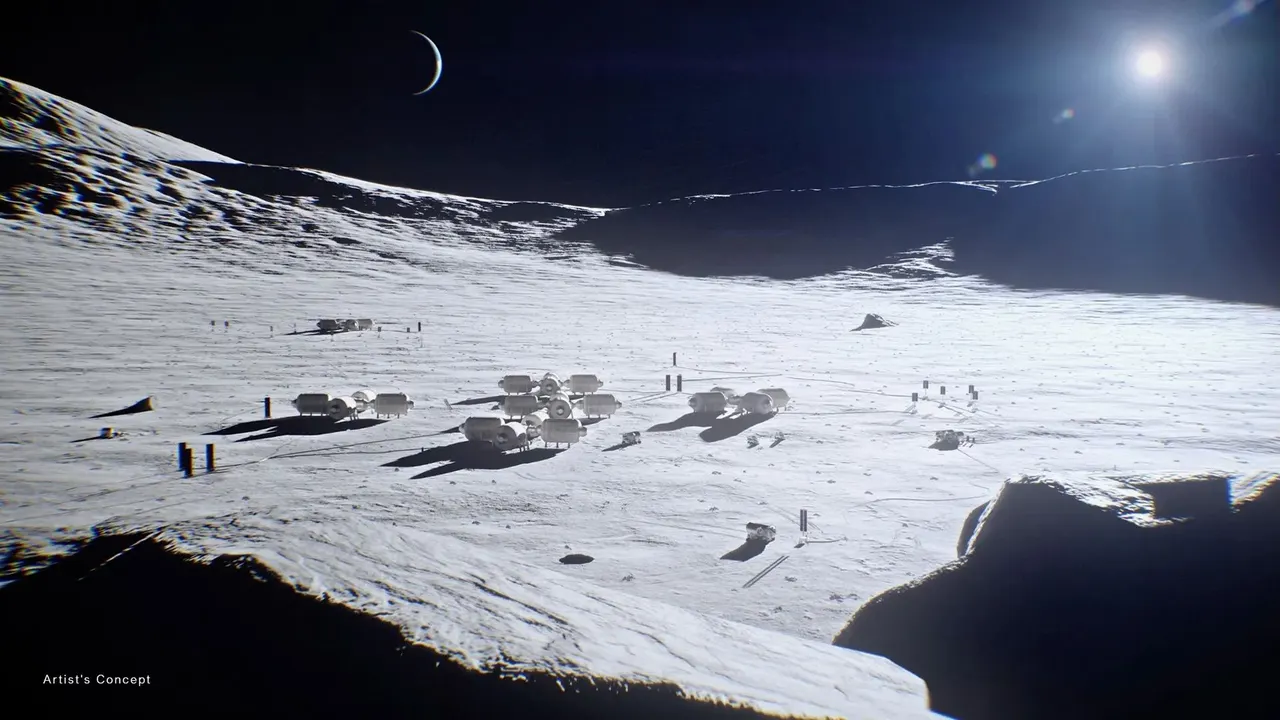
First pulsar discovered in 1967 was nicknamed Little Green Men 1
In 1967, Jocelyn Bell Burnell and Antony Hewish spotted a star pulsing every 1.33 seconds and half-jokingly blamed aliens. It was the first pulsar.
 SUMO· the number puzzle
 Dialo· learn languages by speaking
 ediviewer· read EDI files like documents
 giftdetect· the right gift in minutes
The first pulsar was found on November 28, 1967, and its discoverers were so puzzled by the steady ticking signal that they nicknamed it Little Green Men 1.
Jocelyn Bell Burnell and Antony Hewish were observing the constellation Vulpecula when they noticed a star that seemed to flicker in regular pulses, 1.33 seconds apart. Nobody knew what it was. The alien nickname was a joke, but it stuck for a while. It faded once more pulsars turned up, which ruled out extraterrestrials.
What is a pulsar?
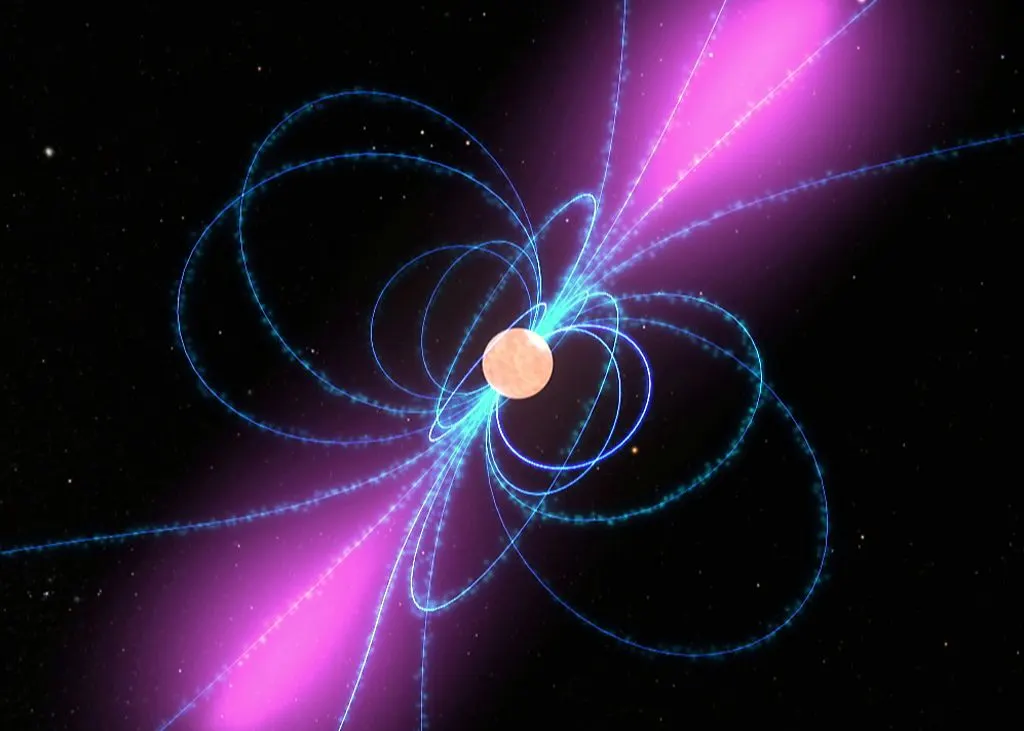
A pulsar is a super-dense star that spins extremely fast. As it rotates, it sends out two beams of light in opposite directions. From Earth, that looks like a star blinking on and off at a steady pace, a bit like a lighthouse.
Pulsars are entirely natural. Until Bell Burnell's discovery, astronomers did not even know whether neutron stars existed, let alone whether anyone could observe them.
Why the discovery mattered
Because pulsars rotate so regularly, some of them work as extremely accurate clocks. Edward Witten, chairman of the selection committee for the Fundamental Physics Breakthrough Prize, which Bell Burnell received in 2018, put it this way: "Suddenly, it turned out that nature has provided an incredibly precise way to observe these objects, something that has led to many later advances."
Pulsar observations are also one of the best ways astronomers have to test Albert Einstein's theory of general relativity. And the spinning stars have been used as a navigation tool for spacecraft travelling beyond low Earth orbit.
Not bad for a signal that began as a odd flicker and a bad joke about aliens.
Apps worth a look
SUMO: the number puzzleTap the right tiles, add them up, hit the target. Easy to learn, hard to master. Free, for all ages.
Dialo: learn languages by speakingTalk to an AI conversation partner; every sentence comes back corrected and explained in your language. 9 languages, A1 to C2.
ediviewer: read EDI files like documentsOpen EDIFACT and X12 messages, see every segment explained, convert to JSON/XML, export PDF and Excel. Runs locally, no upload.
giftdetect: the right gift in minutesPick who it is for, the occasion and their personality. The search engine reads product descriptions from local shops and ranks what fits. Free, no sign-up.
More from this day
See all →
Rocket.new shutting down on December 31, building ends Dec 5

Portslade bus display stuck on boot screen instead of times

iOS 27 parental controls: two months to set up one phone
Meta smart glasses ban: pools, schools and venues push back
More in: Space
See all →
NASA's green laser under the aurora in Svalbard, explained

How many satellites are in the night sky? About 710 over a UK town

Poland's CBK PAN space lab: from huts to a probe bound for Jupiter