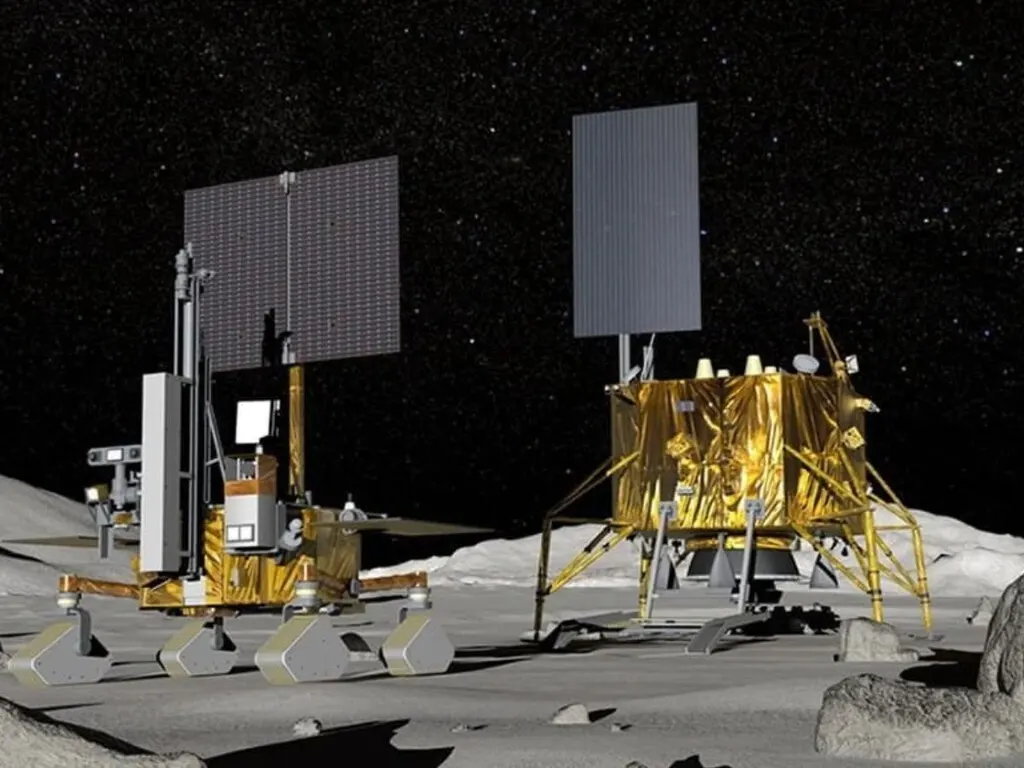
Moon dust aerogel: Purdue turns regolith and cardboard into insulation
Purdue researchers made an aerogel from simulated moon dust and cardboard fiber, a lightweight insulator that could keep lunar habitats stable in extreme temperature swings.
 SUMO· the number puzzle
 Dialo· learn languages by speaking
 ediviewer· read EDI files like documents
 giftdetect· the right gift in minutes
Moon dust and old cardboard sound like an odd pair, but a team at Purdue University has turned them into an insulating moon dust aerogel meant for future lunar habitats.
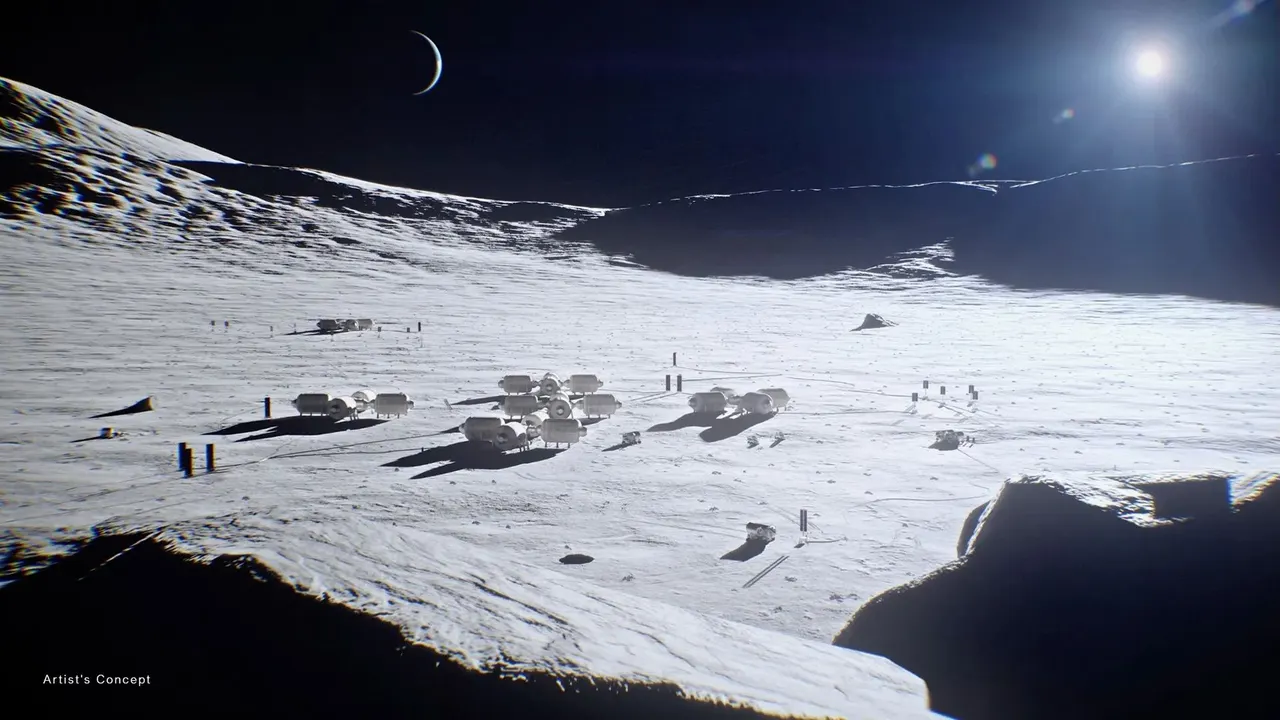
The reason is money. Shipping something to the moon currently costs about $544,000 per pound ($1.2 million per kilogram), so anything astronauts can make from local material saves a lot. The most plentiful local material is regolith, the dusty layer covering the lunar surface. Scientists have already floated using it for 3D-printed bricks and solar arrays, and even as soil for growing potatoes.
The Purdue aerogel mixes cellulose, the fiber found in cardboard waste, with a material that simulates regolith. Researchers say it could protect people inside a habitat from the moon's drastic temperature swings.
What is an aerogel, and why does a moon base need one?
An aerogel is a very light solid that is mostly empty space. Graduate researcher Jacob Staker put it this way: "Imagine an aerogel as a high-tech thermos for a lunar base." Most of it is empty space that insulates the interior, helping it hold the temperature of whatever is inside.
The goal is not a perfect product. Professor Wei, of Purdue's chemistry department, said the team is looking for "the sweet spot where we can get the properties we need with the limited resources we have available" on the moon.
Why the cardboard?
Cardboard stands in for waste that people on the moon would generate themselves. "Rather than relying on Earth to supply everything we need, we're exploring how materials already available on the moon, including waste generated by its inhabitants, could be upcycled into something essential for safe and livable habitats," Wei said.
NASA says it wants a long-term, sustainable moon base running by 2032, through its Artemis program. The Purdue work was published in September in the journal ACS Sustainable Chemistry & Engineering, and it used simulated regolith, not real lunar dust.
Apps worth a look
SUMO: the number puzzleTap the right tiles, add them up, hit the target. Easy to learn, hard to master. Free, for all ages.
Dialo: learn languages by speakingTalk to an AI conversation partner; every sentence comes back corrected and explained in your language. 9 languages, A1 to C2.
ediviewer: read EDI files like documentsOpen EDIFACT and X12 messages, see every segment explained, convert to JSON/XML, export PDF and Excel. Runs locally, no upload.
giftdetect: the right gift in minutesPick who it is for, the occasion and their personality. The search engine reads product descriptions from local shops and ranks what fits. Free, no sign-up.
More from this day
See all →
iPhone satellite icon: what it means and when it appears

Jeep Cherokee failed smog, so he hacked its ECU with Claude

LAX earthquake video shows a Delta jet aborting its landing

Wildlife trafficking app spots ivory and pangolin scales in photos
More in: Space
See all →
Europa Clipper flies past Earth on 3 December to gain speed

Iran reportedly used Starlink to run drone operations against U.S.
Ohalo III: NASA's Space Crop Rig Is Headed to the ISS