Earth's axis shifted 80 cm because we pumped out groundwater
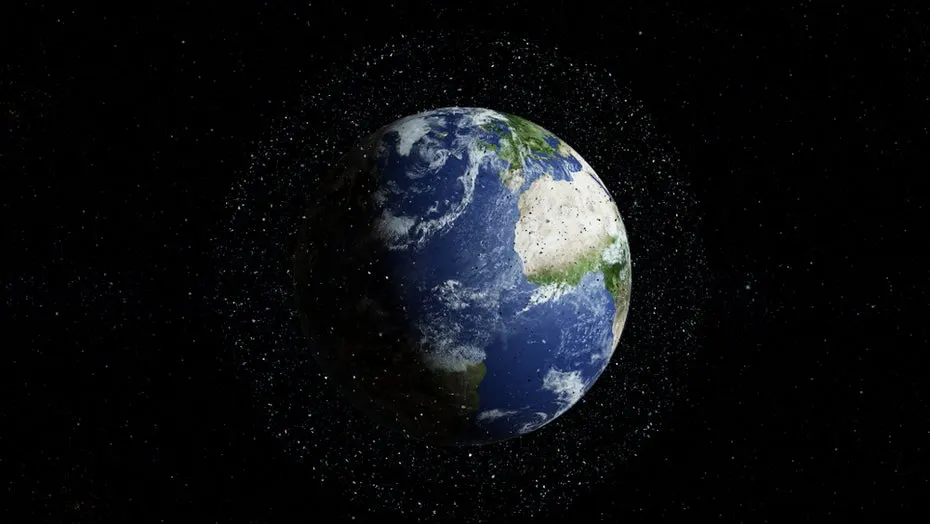
Pumping groundwater for farms and cities moved the planet's rotation pole by about 80 centimetres between 1993 and 2010, according to a Seoul National University study.
 SUMO· the number puzzle
 Dialo· learn languages by speaking
 ediviewer· read EDI files like documents
 giftdetect· the right gift in minutes
Humans have shifted the Earth's axis, and the culprit is something as ordinary as pumping water out of the ground. Researchers at Seoul National University put a number on it in 2023: about 80 centimetres of movement in the rotation pole between 1993 and 2010.
The team published its work in the journal Geophysical Research Letters. It rests on an estimate that roughly 2,150 gigatonnes of groundwater were drawn out over those years. The researchers modelled how the planet's rotation pole moved and tested different scenarios of how water was redistributed. The areas that mattered most were western North America and northwest India.
"Among the climate-related causes, the redistribution of groundwater actually has the largest impact on the drift of the rotation pole," said lead author Ki-Weon Seo. He also said that, as a father, he is worried that pumping groundwater is yet another cause of sea level rise.
What is the Earth's axis, and why does it move?
The axis is an imaginary line through the centre of the planet, connecting the North and South Poles. The Earth spins around it once every 24 hours. It is tilted by about 23.5 degrees relative to the orbit around the Sun, which is why we get seasons as well as day and night.
That tilt is not fixed. The pull of the Moon and Sun, earthquakes and melting ice all cause small shifts, and groundwater now joins the list.
Surendra Adhikari of NASA's Jet Propulsion Laboratory, who led his own studies on the topic in 2016, welcomed the work. The team had quantified the effect of groundwater pumping on polar motion, he said, and it was "quite significant". Still, the full picture is missing. Glaciers, dams and processes deep inside the planet all play a part, and better technology may help researchers untangle them.
Other effects of pumping too much groundwater
Overpumping can make the ground sink, worsen relative sea level rise and let salt water creep into regions that depend on fresh water. A Nature study earlier this year looked at 40 large river deltas and found land subsidence is now the most common driver of sea level rise there. In ten of them, groundwater extraction was the main reason the ground moved.
There is some good news. A study published in Science in March by the University of California found that groundwater can recover under certain conditions.
Apps worth a look
SUMO: the number puzzleTap the right tiles, add them up, hit the target. Easy to learn, hard to master. Free, for all ages.
Dialo: learn languages by speakingTalk to an AI conversation partner; every sentence comes back corrected and explained in your language. 9 languages, A1 to C2.
ediviewer: read EDI files like documentsOpen EDIFACT and X12 messages, see every segment explained, convert to JSON/XML, export PDF and Excel. Runs locally, no upload.
giftdetect: the right gift in minutesPick who it is for, the occasion and their personality. The search engine reads product descriptions from local shops and ranks what fits. Free, no sign-up.
More from this day
See all →
Phone not charging? Dirt in the charging port is often to blame
Fritzbox as NAS: turn your router into network storage

Memflation: phone prices in India up 16.6% as earbuds get cheaper

Rocket.new shutting down on December 31, building ends Dec 5
More in: Science
See all →
Brainbot nanorobot uses infrared light to carry cancer drugs to the brain

Stranded orca in Scotland was 15 years older than its teeth said

The Sun's heliotail: 14 years of NASA IBEX data show it changes