Chernobyl fungus pigment inspires fabric that breaks down nerve agents
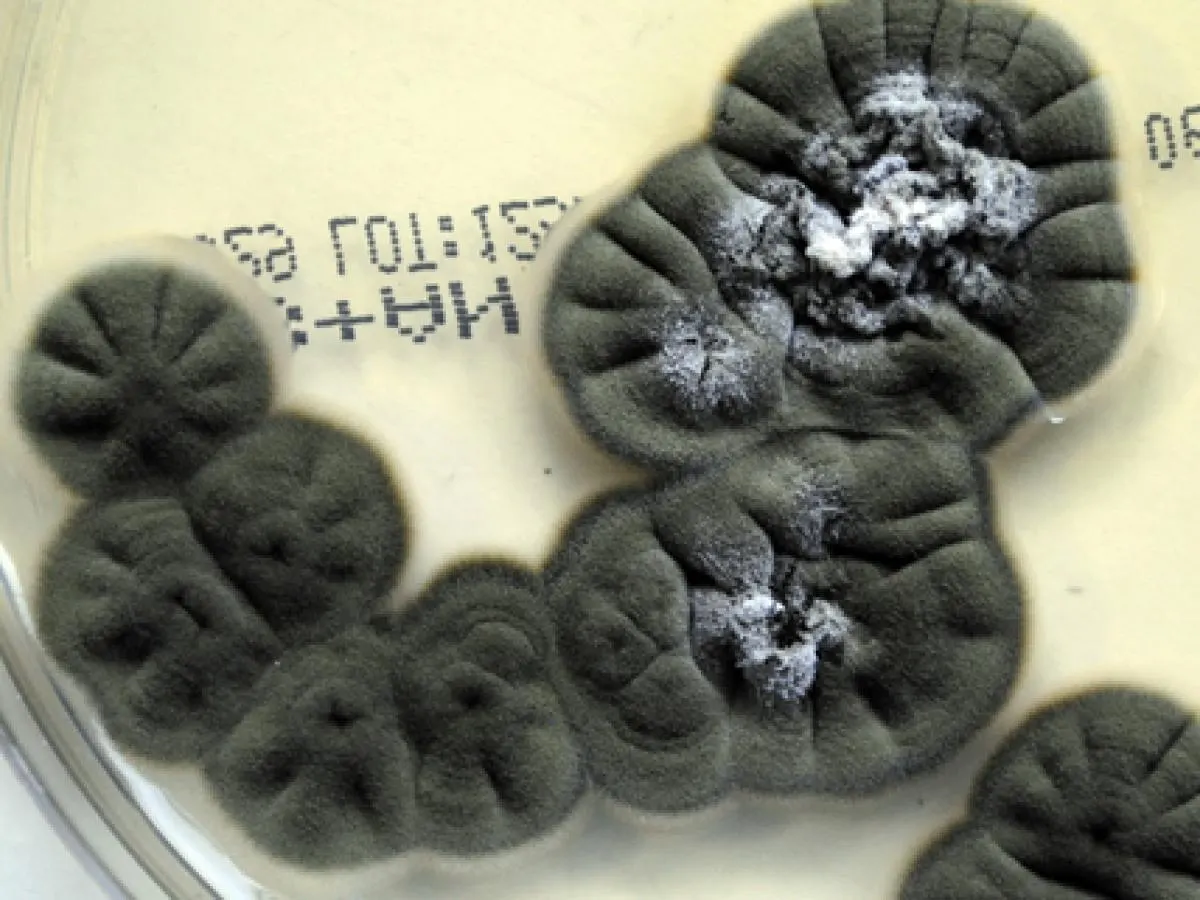
A dark fungus from Chernobyl has inspired a pigment-based material that soaks up and breaks down nerve agent stand-ins in under 10 minutes, and light speeds it up.
 SUMO· the number puzzle
 Dialo· learn languages by speaking
 ediviewer· read EDI files like documents
 giftdetect· the right gift in minutes
A fungus that grows around the Chernobyl exclusion zone may end up inspiring protective clothing. Researchers have built a material from a synthetic version of its pigment that can trap and chemically destroy toxins related to nerve agents and pesticides.
The fungus is Cladosporium sphaerospermum, a dark microorganism that copes with extreme conditions and in some cases even grows toward radiation sources. It was interesting enough to be tested on the International Space Station, where experiments suggested it can partly reduce the radiation reaching it. One thing that helps it survive is melanin, the pigment best known for colouring human skin, hair and eyes.
What is allomelanin and why does it matter?
New research points to allomelanin, a type of melanin found in fungi, as the key ingredient. Its chemistry differs from the pigment in human skin, and it is naturally porous, with nanometre-sized gaps that catch small molecules. In effect it works like a sponge for hazardous chemicals. That held true for pigment taken from natural fungi and for synthetic versions.
But a sponge that only soaks up poison is still a hazard when you use it or throw it away. So the engineers combined synthetic allomelanin with tiny clusters of zirconium. The metal acts like molecular scissors, cutting chemical bonds in organophosphorus compounds. That group includes nerve agents such as sarin and VX, as well as many farm pesticides.
How well did it work?
In the lab the team used a safer chemical stand-in that mimics nerve agents but is far less toxic. The best samples broke down half of it in under 10 minutes. The material stayed active over repeated uses, and only a small amount of zirconium was released.
Melanin also absorbs light and turns it into heat, which can speed up reactions. Samples exposed to intense light for five minutes broke down about ten times more of the compound than samples left in the dark.
There are limits. All tests were done in the lab with the stand-in chemical. The material has not been tried on real nerve agents or on pesticides sprayed in the air, and no protective fabric exists yet. Next, the team plans to test it against agricultural pesticides and improve how fibres are coated. Synthetic melanin can stick to textile fibres without extra glue, so it could eventually go into light gloves, masks and overalls for farmers, industrial workers and emergency services.
Apps worth a look
SUMO: the number puzzleTap the right tiles, add them up, hit the target. Easy to learn, hard to master. Free, for all ages.
Dialo: learn languages by speakingTalk to an AI conversation partner; every sentence comes back corrected and explained in your language. 9 languages, A1 to C2.
ediviewer: read EDI files like documentsOpen EDIFACT and X12 messages, see every segment explained, convert to JSON/XML, export PDF and Excel. Runs locally, no upload.
giftdetect: the right gift in minutesPick who it is for, the occasion and their personality. The search engine reads product descriptions from local shops and ranks what fits. Free, no sign-up.
More from this day
See all →
Claude artifacts can now be installed as Mac and Windows apps

SYS010 malware hides in Windows wallpaper ads to hijack Facebook

New browser with its own engine aims to break from Chrome and Firefox

OLX scam: woman sells a toy for 30 zloty, loses 3,000
More in: Science
See all →
Project Vayu: a $1.60 fan filter that cut PM2.5 by over 90%
Mars boulder rows look like a giant fingerprint, and no one knows why
Smart ring measures stress with infrared light, not electrodes