Project Vayu: a $1.60 fan filter that cut PM2.5 by over 90%
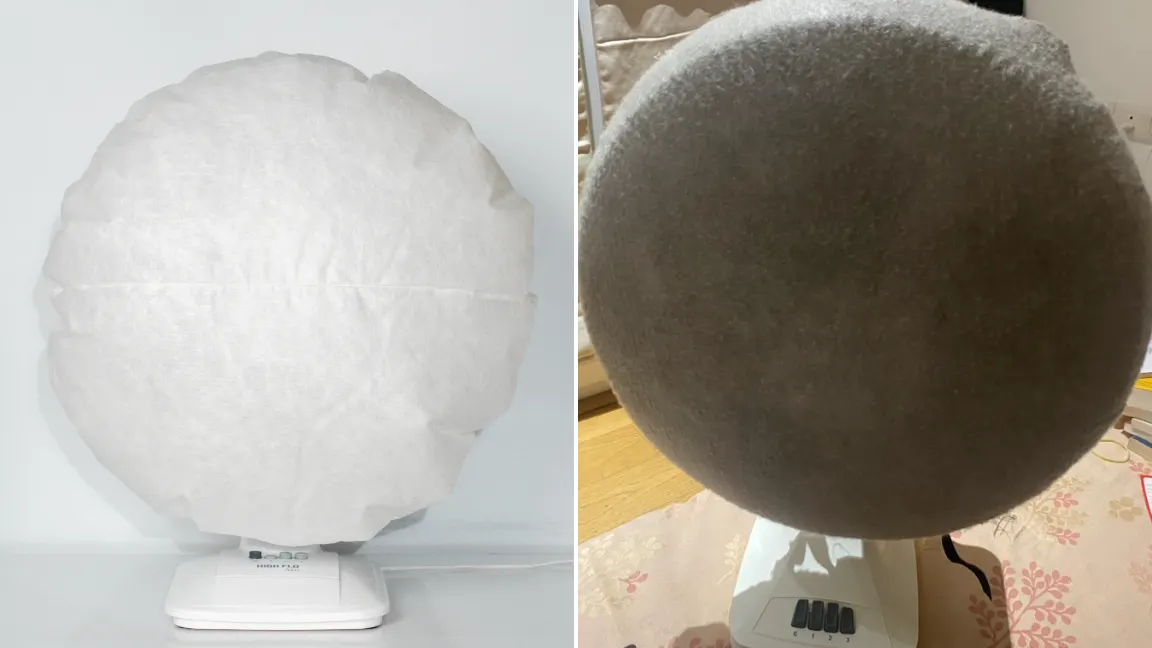
Students in Delhi built Project Vayu, a filter bag that slips over a fan and inflates like a balloon. In a closed room it cut PM2.5 from 158 to 11 in an hour.
 SUMO· the number puzzle
 Dialo· learn languages by speaking
 ediviewer· read EDI files like documents
 giftdetect· the right gift in minutes
Switch on the fan and the bag swells up like a balloon. That is Project Vayu, a fan filter built by high school students in Delhi, and according to the project it cleared more than 90 percent of PM2.5 from a closed room in one hour.
Vayu is the Hindi word for wind. The filter is a bag with elastic around the opening, so it stretches over the front of a desk fan or a wall-mounted fan. No tools, and it takes under a minute to fit. Once the fan runs, the airflow inflates the bag, giving a filtering surface of more than 5 square feet (about 0.46 square metres).
The material is a fibre that uses static electricity to pull in fine particles. The team developed it with the US filter maker Hollingsworth & Vose. Each filter costs about 140 rupees to make, roughly $1.60. Schools get them for free, and the filters are replaced every month.
Why does Delhi need a filter like this?
PM2.5 means particles small enough to cause health problems when breathed in. Delhi's annual average is about 20 times the level the WHO sets as its guideline, and on the worst winter days it climbs higher still.
How well does the Project Vayu filter work?
The project's website says the test took place in a closed room of about 11 tatami mats, around 18 square metres. PM2.5 fell from 158 micrograms per cubic metre to 11 in one hour. For comparison, Japan's environmental standard is 35 or below as a daily average and 15 or below as a yearly average. Comparing an hourly reading with those averages is a bit rough, but the drop is large.
There are gaps. The project does not say who measured, under what conditions, how strong the fan was or how many times the test was run. Numbers for a classroom-sized room are not published either. So the result is promising, not yet independently confirmed.
Apps worth a look
SUMO: the number puzzleTap the right tiles, add them up, hit the target. Easy to learn, hard to master. Free, for all ages.
Dialo: learn languages by speakingTalk to an AI conversation partner; every sentence comes back corrected and explained in your language. 9 languages, A1 to C2.
ediviewer: read EDI files like documentsOpen EDIFACT and X12 messages, see every segment explained, convert to JSON/XML, export PDF and Excel. Runs locally, no upload.
giftdetect: the right gift in minutesPick who it is for, the occasion and their personality. The search engine reads product descriptions from local shops and ranks what fits. Free, no sign-up.
More from this day
See all →
SpaceX Starmind: FCC Approves 1 Million Data Center Satellites

Musk to give every US child 2 SpaceX shares, worth about $18B

Gemini history off? Google still keeps your chats for two months

GTA 6 leaker Arion Kurtaj gets seven years, freed the same day
More in: Science
See all →
Mars boulder rows look like a giant fingerprint, and no one knows why
Smart ring measures stress with infrared light, not electrodes

IRAS 06530-0213: astronomers see a dying star's last heartbeat