Axiom Math verifies the Stacks Project to curb AI slop in math
Axiom Math's AI agents have formally verified the Stacks Project, one of the largest math libraries ever written, as the startup bets on verified foundations for AI.
 SUMO· the number puzzle
 Dialo· learn languages by speaking
 ediviewer· read EDI files like documents
 giftdetect· the right gift in minutes
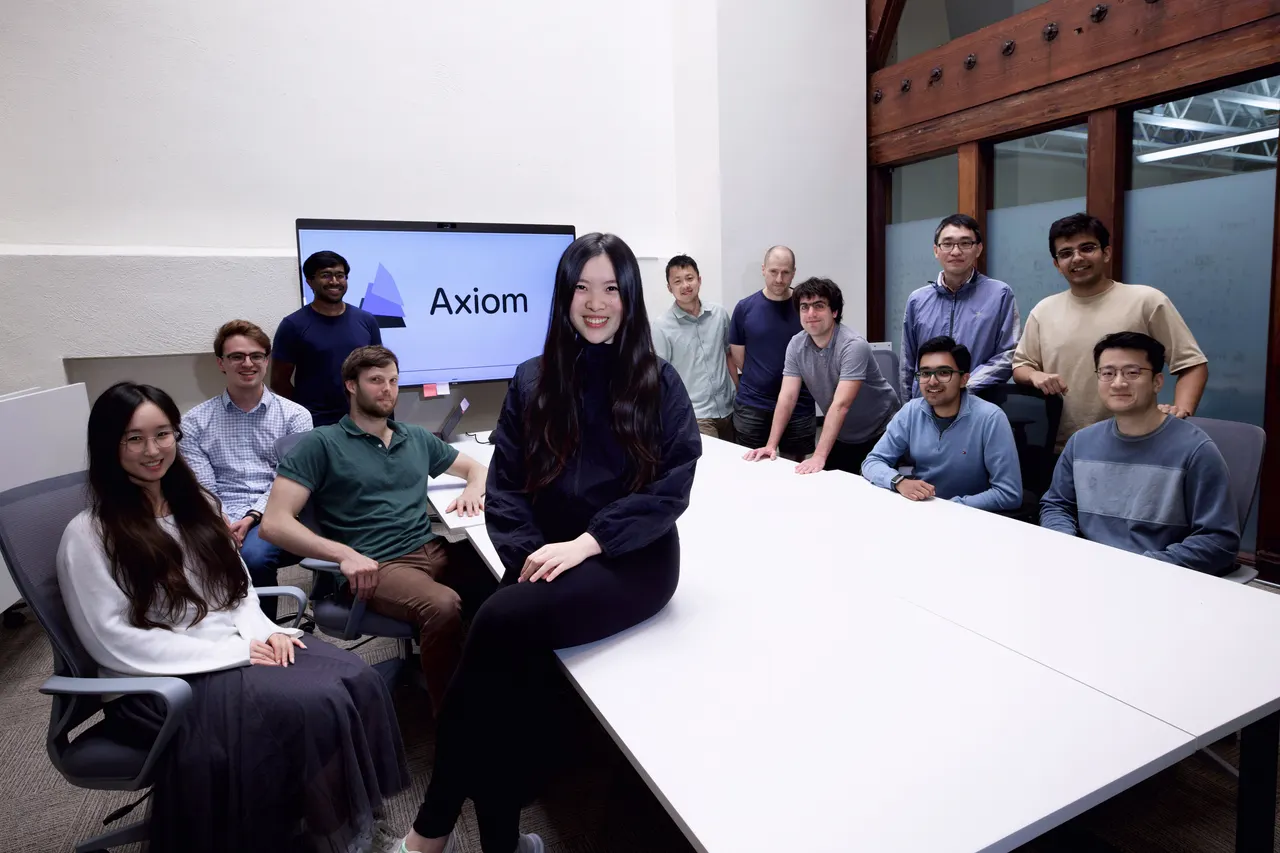
Axiom Math, a startup valued at $1.6 billion, said on Wednesday that its AI agents have formally verified the Stacks Project, one of the largest bodies of mathematics ever written by humans. The company translated the library's roughly 7,654 pages into about 16 million lines of computer-checked code.
The announcement comes as AI floods mathematics with claimed results. Last month, OpenAI released 719 manuscripts claiming solutions to some of the field's hardest problems, and even computer checks meant to confirm such results can slip. Axiom's answer is not to slow down but to build on firmer ground.
How the verification works
Mathematicians rewrite a proof as code in a programming language called Lean, and a proof assistant checks it line by line. Engineers use the same idea, called formal verification, to confirm chip designs, and researchers in France have used it to catch bugs in software that calculates family benefits.
Stacks was a hard test because its theorems and definitions depend on one another, much like a family tree. Columbia mathematician Johan de Jong started the open source project in 2005, and it now spans material from college-level algebra to advanced algebraic geometry and number theory. "Things that are big and things that are delicate in life just don't go together," CEO Carina Hong said.
Axiom gave its agents a loose hierarchy and let them run in parallel, picking their own tasks. The company also trained its own math models. Technical staff member Ashvin Swaminathan said formalized math had a "huge black hole" in algebraic geometry, which researchers using Lean can now build on.
Beyond mathematics
Axiom argues each verified result becomes a building block, echoing Terence Tao's remark that "the more formalized proofs you have, the more formalized proofs you can make." The target audience also includes developers, who struggle to guarantee code is free of bugs and security holes, a problem that grows as AI agents write more software.
Hong, 25, dropped out of a Stanford math PhD program and founded Axiom in March 2025. The company raised a $200 million Series A led by Menlo Ventures in March. She expects agents to need reusable, verified libraries to avoid producing slop, and openly challenged all coding companies to "work on formalization at this scale."
Apps worth a look
SUMO: the number puzzleTap the right tiles, add them up, hit the target. Easy to learn, hard to master. Free, for all ages.
Dialo: learn languages by speakingTalk to an AI conversation partner; every sentence comes back corrected and explained in your language. 9 languages, A1 to C2.
ediviewer: read EDI files like documentsOpen EDIFACT and X12 messages, see every segment explained, convert to JSON/XML, export PDF and Excel. Runs locally, no upload.
giftdetect: the right gift in minutesPick who it is for, the occasion and their personality. The search engine reads product descriptions from local shops and ranks what fits. Free, no sign-up.
More from this day
See all →
Aina's $399 AI Ring Adds a Screen, Joystick and Mic for Agents

Harbinger raises $240M Series D as it expands into defense

TikTok Launches Standalone TikTok Shop App in Four Markets

Shield AI to Acquire Radar Maker Echodyne for $5.3 Billion
More in: AI
See all →
DeepSeek V4.1 Flash Arrives in Selectel's Token Factory Catalog
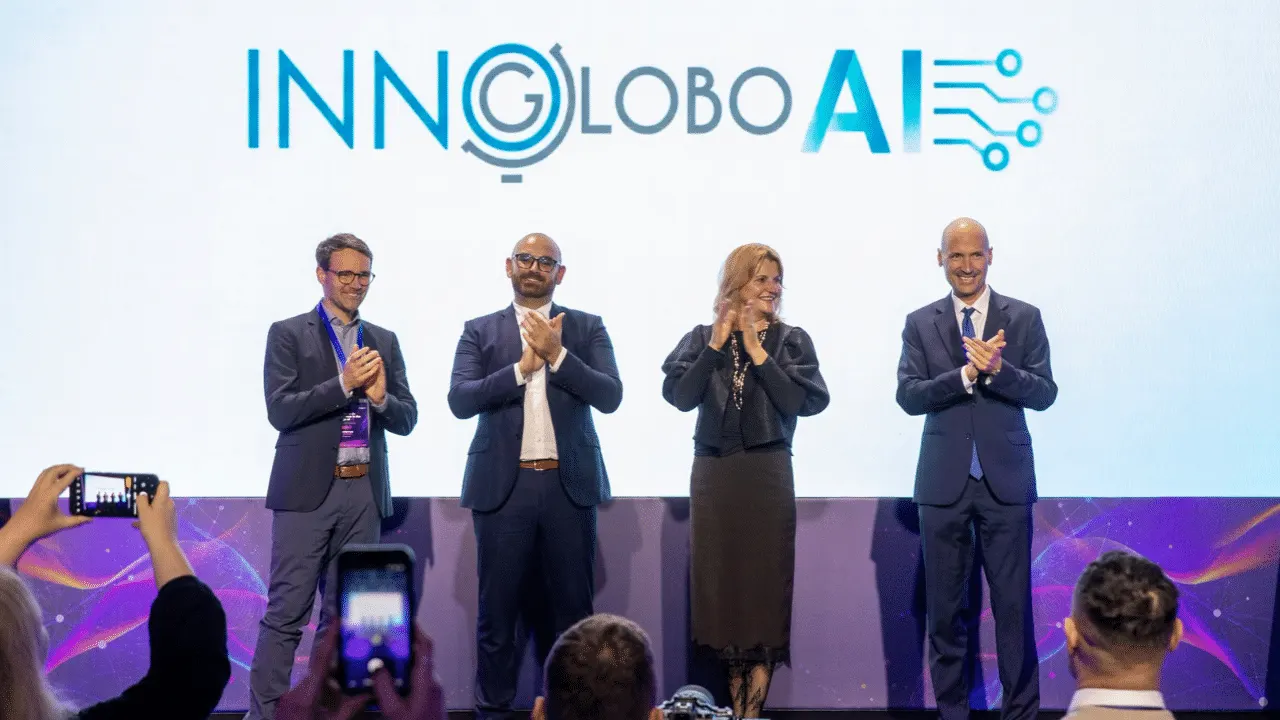
NCBR Sets Aside PLN 25 Million for International AI R&D Projects
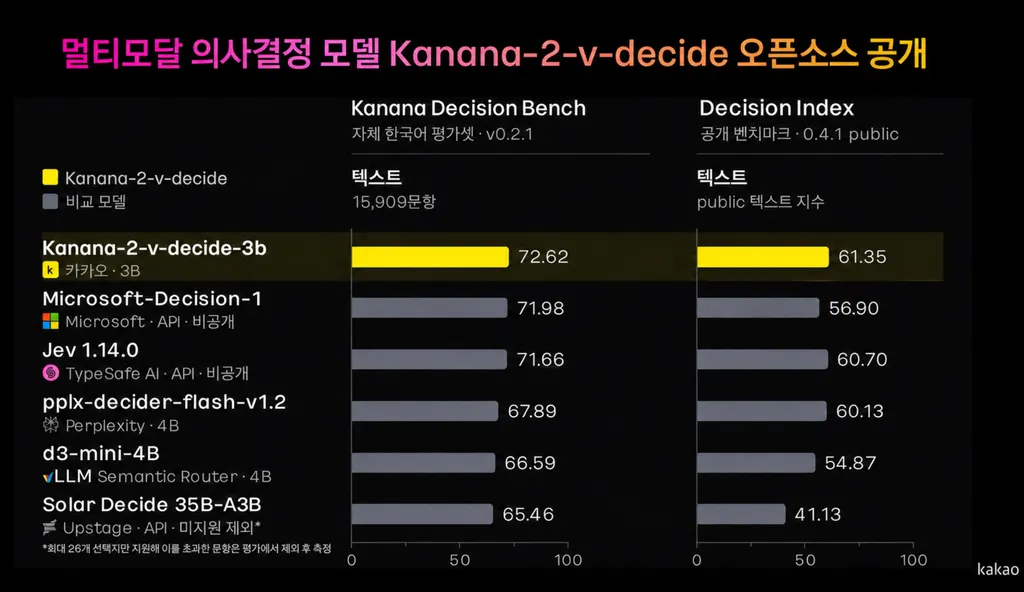
Kakao Open-Sources Kanana-2-v-decide, a Decision Model for AI Agents