NCBR Sets Aside PLN 25 Million for International AI R&D Projects
Poland's National Centre for Research and Development has opened the sixth INNOGLOBO call, devoting its entire PLN 25 million budget to international AI projects.
 SUMO· the number puzzle
 Dialo· learn languages by speaking
 ediviewer· read EDI files like documents
 giftdetect· the right gift in minutes
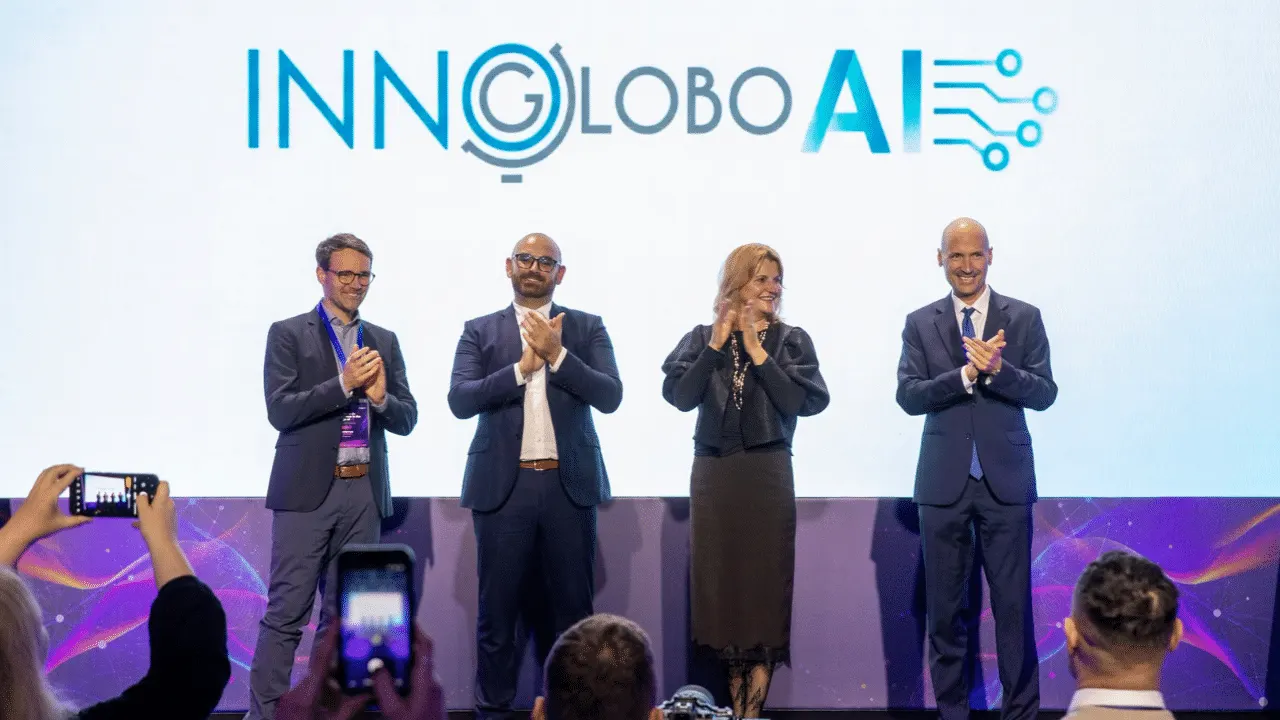
Poland's National Centre for Research and Development (NCBR) has launched the sixth edition of its INNOGLOBO programme, and for the first time the whole PLN 25 million budget will go to international research and development projects in artificial intelligence. Applications are open until 12 February 2027.
Who can apply and how much
The call is aimed at Polish companies, research organisations and consortia that plan to carry out AI projects with foreign partners. Funding for a single project ranges from PLN 300,000 to PLN 2 million, and projects should run for two to three years. Proposals must include both industrial research and experimental development work.
The five earlier INNOGLOBO editions supported 59 projects in total. Unlike them, the current call is limited to AI. Each project must fall into at least one of four areas:
- AI technology development, including data processing and edge computing;
- AI in medicine and biotechnology;
- AI in cybersecurity;
- AI in industry and automation.
NCBR head Prof. Jerzy Małachowski said that developing artificial intelligence requires crossing barriers and cooperating beyond the limits of disciplines, institutions and countries. In his view, international exchange of knowledge and experience produces the most interesting innovations.
Science in the age of AI
The programme's details were presented at an NCBR conference titled "How to do science in the era of AI. Artificial intelligence as a tool of international cooperation". Participants noted that algorithms speed up data analysis and the formulation of hypotheses, but cannot fully replace human work.
Prof. Ross D. King of the University of Cambridge expects that scientists working with AI will achieve better results than those working alone. Experts including Prof. Peter Lievens of KU Leuven also pointed to the technology's limits, such as the risk of large language models generating false information. They stressed the need for a critical approach, verification of results by specialists and treating AI as a collaborator rather than a final authority.
Apps worth a look
SUMO: the number puzzleTap the right tiles, add them up, hit the target. Easy to learn, hard to master. Free, for all ages.
Dialo: learn languages by speakingTalk to an AI conversation partner; every sentence comes back corrected and explained in your language. 9 languages, A1 to C2.
ediviewer: read EDI files like documentsOpen EDIFACT and X12 messages, see every segment explained, convert to JSON/XML, export PDF and Excel. Runs locally, no upload.
giftdetect: the right gift in minutesPick who it is for, the occasion and their personality. The search engine reads product descriptions from local shops and ranks what fits. Free, no sign-up.
More from this day
See all →
GOG GALAXY Is Coming Natively to Linux After 18 Years
Claude Code accused of leaking users' email addresses to websites

Alta Ares wins six NATO counter-drone lots in first big deal

Poland's Palantir Defence Deal Draws Calls for Risk Audit
More in: AI
See all →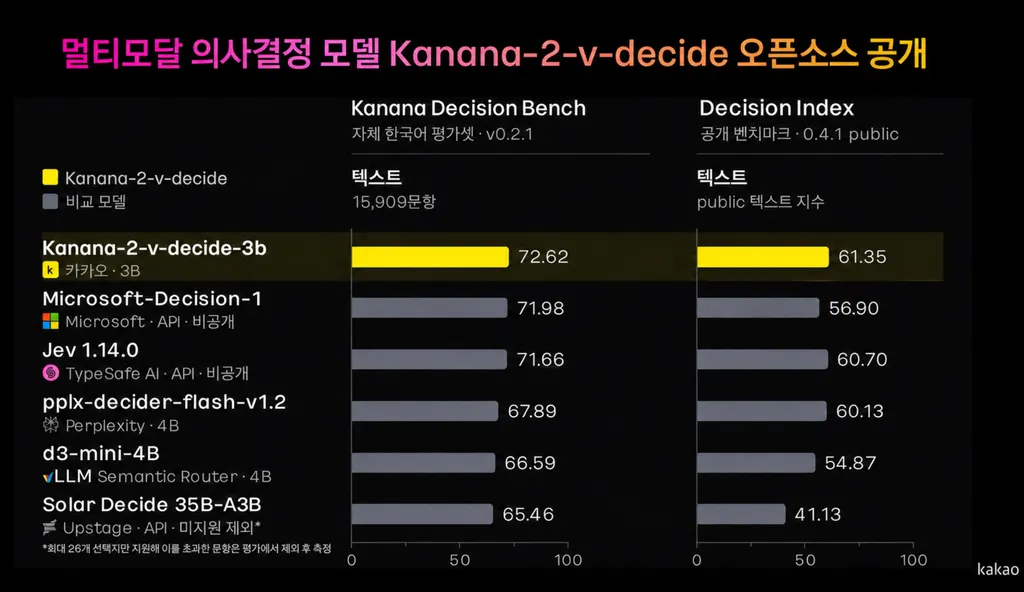
Kakao Open-Sources Kanana-2-v-decide, a Decision Model for AI Agents

Airbnb Is Building an AI Travel Agent for a 2027 Launch

Google Launches Gemini Omni 1.2 Flash With 15-Second AI Video