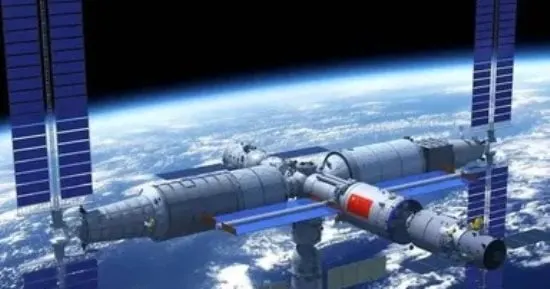
Amazon Leo passes 400 satellites a week after losing 40
Amazon Leo now has more than 400 satellites in orbit, a week after a failed launch cost it 40. In India, Reliance is planning a 1,600-satellite network of its own.
 SUMO· the number puzzle
 Dialo· learn languages by speaking
 ediviewer· read EDI files like documents
 giftdetect· the right gift in minutes
Amazon lost 40 satellites in a rocket failure last week, and its Amazon Leo internet constellation has still gone past 400 satellites. The company says it can start commercial service before the year is out.
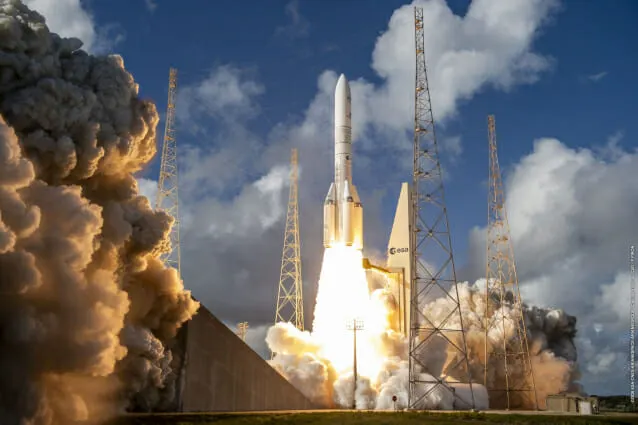
On 24 November (local time), Arianespace launched an Ariane 6 from the Kourou space centre in French Guiana. It put 36 Leo satellites into orbit at about 460 km. Arianespace has now placed 136 Leo satellites in four launches this year. The earlier failure involved a United Launch Alliance rocket in the US. The Wall Street Journal reports that deployment delays keep piling up, but Amazon maintains that a commercial start this year is still possible.
Ordinary phones talking straight to satellites
Elsewhere, tests of regular phones connecting directly to satellites carried on. Vodafone and AST SpaceMobile switched on a ground station at the Málaga satellite centre in Spain. It links low-orbit satellites to Vodafone's mobile network. The two firms want to find out whether a normal smartphone can get satellite broadband where the ground signal is weak. Field trials in nearby Granada are collecting records of video, data and calls. Vodafone wants to use the technology to keep networks running in disasters and to connect inspection robots at remote sites.
In the Philippines, carrier Smart and satellite operator Eloveo Mobile tested direct-to-device service on a cargo ship sailing between Batangas and Calapan in Oriental Mindoro. A standard LTE phone connected straight to a low-orbit satellite. The team sent a text to Manila, received a disaster alert message and opened the websites of Smart and its mobile brand TNT over satellite data. Earlier tests had been on land.
Reliance plans 1,600 satellites in India
According to Bloomberg, Reliance Industries, led by Mukesh Ambani and parent of India's largest mobile carrier Jio, is talking to local satellite makers, startups and industrial firms about a network to rival Starlink. It plans to combine Indian production with overseas purchases, and is also looking at securing about 400 satellites in the US.
The company is reportedly considering a test launch in September 2027 and full deployment from early 2028. Because of manufacturing and launch capacity, the target for finishing the network has slipped from 2030 to 2035. Telecoms.com says Reliance has asked Indian space authorities for permission to launch 1,600 to 1,650 satellites. Whether the network will connect directly to ordinary phones has not been disclosed.
Apps worth a look
SUMO: the number puzzleTap the right tiles, add them up, hit the target. Easy to learn, hard to master. Free, for all ages.
Dialo: learn languages by speakingTalk to an AI conversation partner; every sentence comes back corrected and explained in your language. 9 languages, A1 to C2.
ediviewer: read EDI files like documentsOpen EDIFACT and X12 messages, see every segment explained, convert to JSON/XML, export PDF and Excel. Runs locally, no upload.
giftdetect: the right gift in minutesPick who it is for, the occasion and their personality. The search engine reads product descriptions from local shops and ranks what fits. Free, no sign-up.
More from this day
See all →
Naver Pay Handsign lets you pay hospital bills with your palm

A1 Challenge Race: Student AI Drivers Take Formula Cars to Everland

Apple Watch CarPlay haptic alerts tap your wrist at every turn

Fitbit Edge battery replacement: Google's guide is free, the job isn't easy
More in: Space
See all →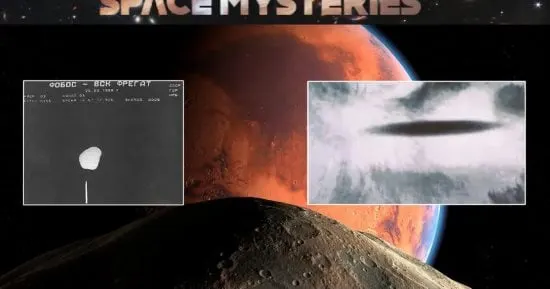
Phobos 2 last photo: the cigar-shaped shadow near Mars, explained
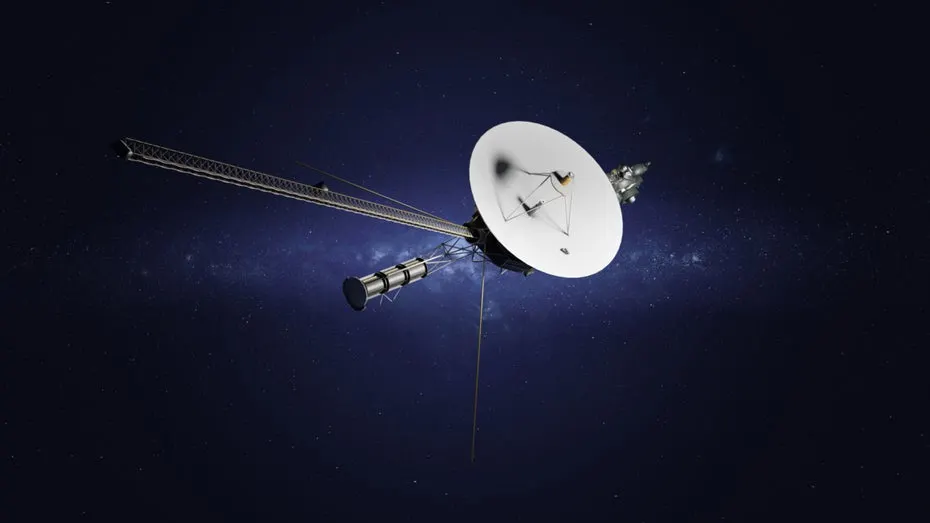
Voyager 1 stops sending data just as it hits one light-day away
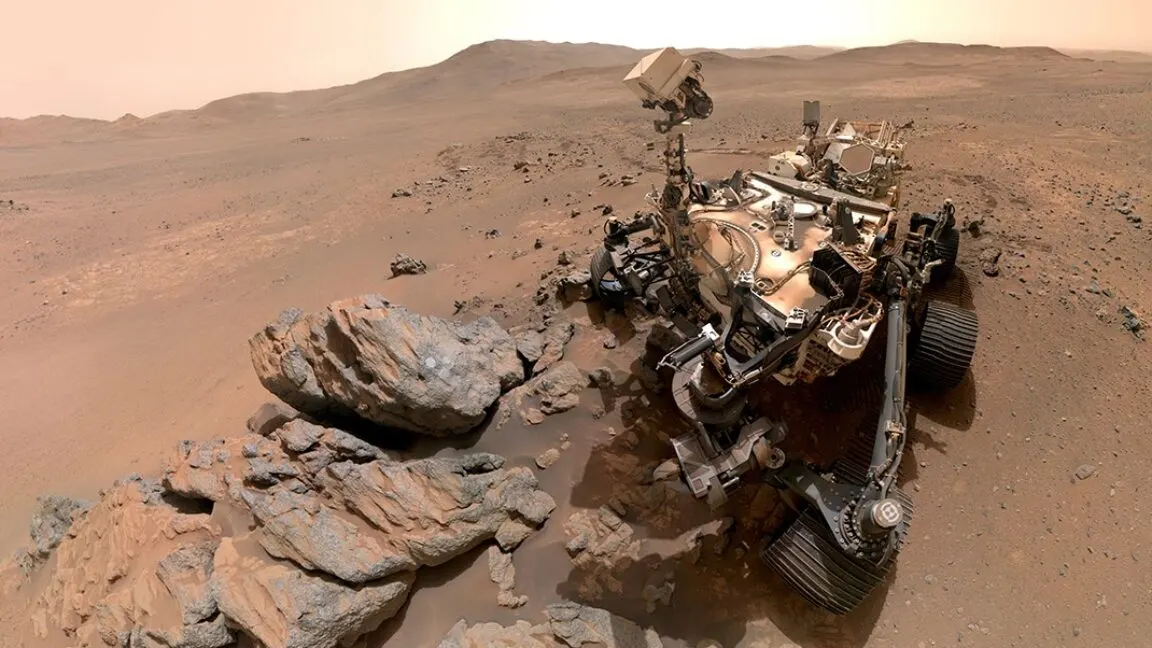
NASA Perseverance and Odyssey Mars missions paused by faults