A1 Challenge Race: Student AI Drivers Take Formula Cars to Everland
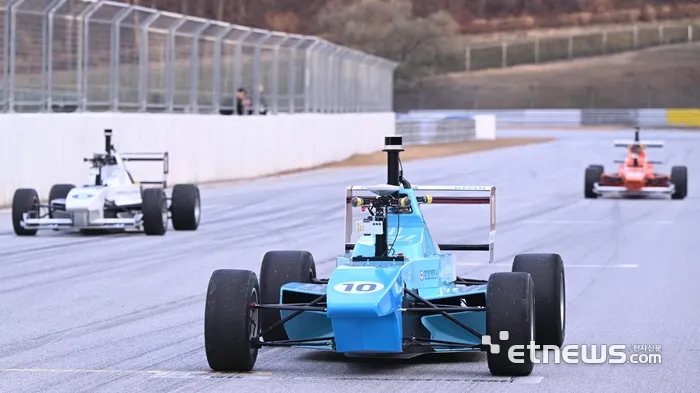
Three South Korean university teams moved self-driving AI from a simulator into real electric formula cars and raced them, three at once, on a track in Yongin.
 SUMO· the number puzzle
 Dialo· learn languages by speaking
 ediviewer· read EDI files like documents
 giftdetect· the right gift in minutes
Winning in a simulator is one thing. Putting the same code into a real formula car and sending it round a circuit is another. On 25 November, three South Korean university teams did exactly that at Everland Speedway in Yongin, as part of the 2026 A1 Challenge Race.
The event was organised by the Ministry of Trade, Industry and Resources and the Korea Intelligent Automotive Parts Promotion Institute (KIAPI). It was the final stage of a program built around end-to-end (E2E) self-driving AI. That is an approach where one AI model learns from raw sensor input all the way to steering and braking, instead of following hand-written rules. About 200 people attended, including students, industry representatives and researchers.
How the A1 Challenge Race worked
The three teams came from a simulation final held in Seoul's Sangam district in May, where cars drove digital twins (detailed 3D copies) of downtown Sangam and the Yongin track. The qualifiers were Inha University (A.I.M), Hanyang University (AutoHYU) and Chosun University (WONDER DOGS).
In late August they received electric formula cars and began porting their algorithms. They did eight practice runs at Everland Speedway and tested on KIAPI's proving ground. Each car carries five HD cameras, a 32-channel lidar, GNSS (satellite positioning) and a remote emergency braking system. Organisers also brought in track marshals, a rescue team, an ambulance, defibrillators and a plan with the fire service for electric vehicle fires.
Racing took place on the 2.538 km Left course, which has 11 corners. Race one was a solo run for each team. Race two put all three cars on the grid together, ordered by the first result. Both races were three laps within a time limit, scored by total time, with one extra point for the fastest lap in each race. The winner gets a trip abroad for training.
What comes next
Between the two races, six student-built car teams from five universities did parade laps and solo runs. The event was streamed on YouTube.
The ministry and KIAPI plan to analyse the driving data and video, publish a report and use it for training and industry-academia work. The next edition is targeted for 2028, with a more advanced, higher-performance formula format using Korean technology.
Apps worth a look
SUMO: the number puzzleTap the right tiles, add them up, hit the target. Easy to learn, hard to master. Free, for all ages.
Dialo: learn languages by speakingTalk to an AI conversation partner; every sentence comes back corrected and explained in your language. 9 languages, A1 to C2.
ediviewer: read EDI files like documentsOpen EDIFACT and X12 messages, see every segment explained, convert to JSON/XML, export PDF and Excel. Runs locally, no upload.
giftdetect: the right gift in minutesPick who it is for, the occasion and their personality. The search engine reads product descriptions from local shops and ranks what fits. Free, no sign-up.
More from this day
See all →
Naver Pay Handsign lets you pay hospital bills with your palm
Amazon Leo passes 400 satellites a week after losing 40
Apple Watch CarPlay haptic alerts tap your wrist at every turn
Fitbit Edge battery replacement: Google's guide is free, the job isn't easy
More in: Automotive
See all →
New York bans paid unlocks for built-in car features like heated seats
Xpeng Yoyo robotaxi tested: 30 minutes in a car with a fridge
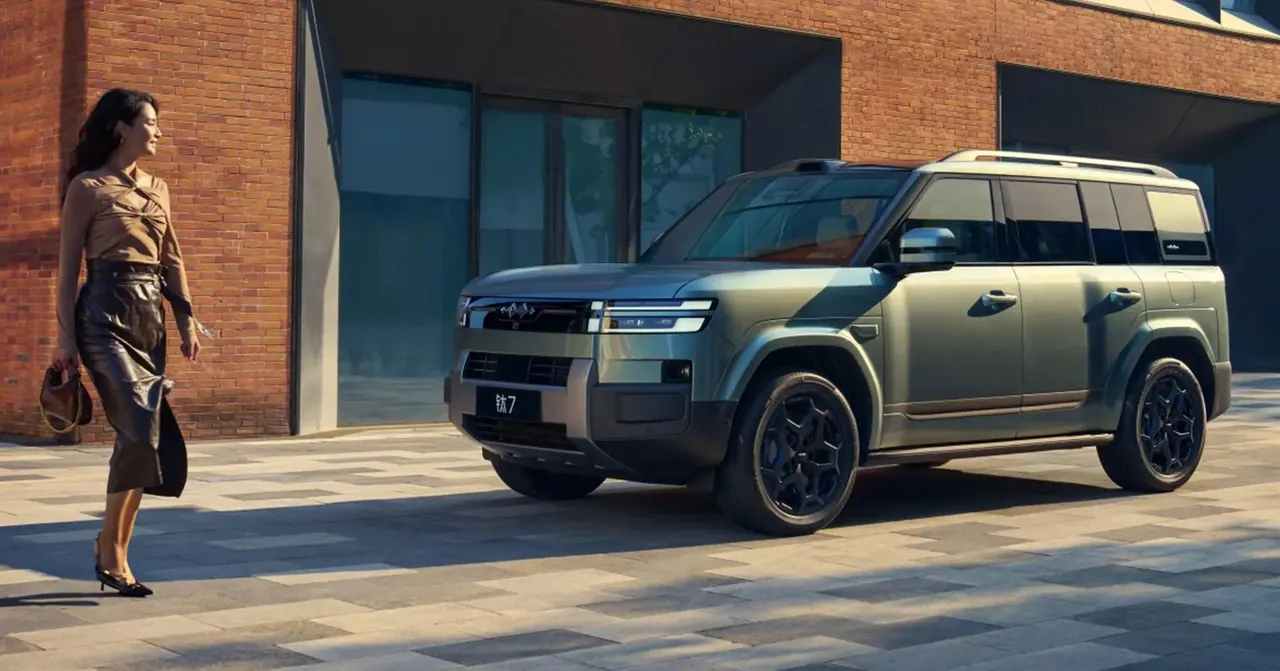
BYD Ti7 banned in the EU after Hague court rules on Defender design