Naver Pay Handsign lets you pay hospital bills with your palm
At Korea Fintech Week 2026, Naver Pay showed a palm scan that pays a hospital bill and then pre-fills the insurance claim. AI agents were also picking savings plans.
 SUMO· the number puzzle
 Dialo· learn languages by speaking
 ediviewer· read EDI files like documents
 giftdetect· the right gift in minutes
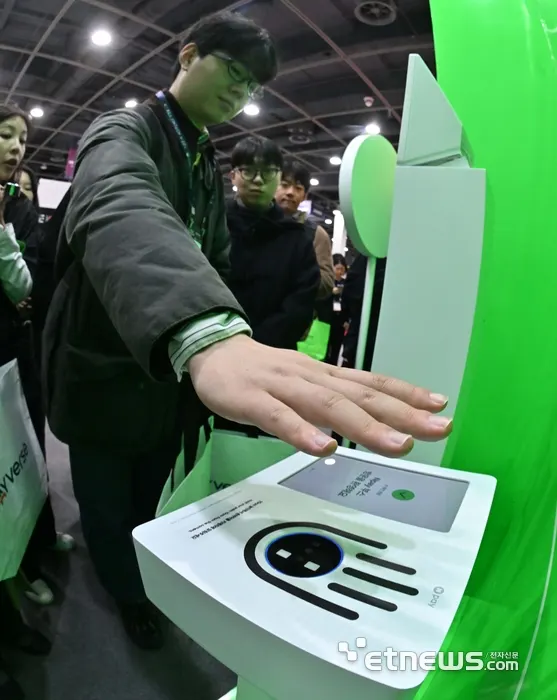
Put your palm on a reader at the hospital desk, and the bill is paid. A moment later, your phone asks if you want to claim the money back from your insurer. That was the demo at the Naver Pay booth on the opening day of Korea Fintech Week 2026, held at the aT Center in Yangjae, Seoul, on 25 November.
What is Naver Pay Handsign?
Handsign is Naver Pay's palm vein authentication. It reads the blood vessel pattern inside your palm with near-infrared light to confirm who you are. Naver Pay has used it since September for staff entry at its own headquarters. For the show, it connected a palm vein reader to its Connect payment system and used it to pay at a mock hospital counter.
After payment, a notification offered an insurance claim through Silson24, Korea's system for filing private medical insurance claims. Tapping it filled in the insurer and the account for the payout automatically. Staff said no receipts or paperwork are needed. Handsign is not officially launched yet and is still in testing.
AI agents that manage your money
At the Banksalad booth, several AI agents built a financial plan for a newlywed couple. Separate agents for investing, spending and salary studied the couple's MyData (Korea's system for pulling personal financial data into one place) and made suggestions. One proposed moving some stocks into a fixed deposit. Another found subscriptions to cancel and ways to cut phone bills. An orchestration agent then merged the advice into a new salary and savings plan. If users grant permission, the idea is that the AI also signs up for products and moves assets, including selling shares and depositing the proceeds.
Stablecoins and loan rates
Kucoin showed Bee Wallet, where a foreign visitor who has passed identity checks sends stablecoins from an outside wallet and gets a won balance. They can pay by QR code in shops or withdraw won at an ATM. Kakao Pay also described stablecoin payments in its wallet once regulation is in place, with merchants paid in won. Toss showed a screen for picking which loans to ask lenders to cut the interest on, and it files the request. Its Silson24 claim service is already live in the Toss app.
The common thread: the apps now offer the next step once you finish paying or checking, and with your permission, they do it for you.
Apps worth a look
SUMO: the number puzzleTap the right tiles, add them up, hit the target. Easy to learn, hard to master. Free, for all ages.
Dialo: learn languages by speakingTalk to an AI conversation partner; every sentence comes back corrected and explained in your language. 9 languages, A1 to C2.
ediviewer: read EDI files like documentsOpen EDIFACT and X12 messages, see every segment explained, convert to JSON/XML, export PDF and Excel. Runs locally, no upload.
giftdetect: the right gift in minutesPick who it is for, the occasion and their personality. The search engine reads product descriptions from local shops and ranks what fits. Free, no sign-up.
More from this day
See all →
GPS jamming over the North Sea hit 140 flights in 20 minutes
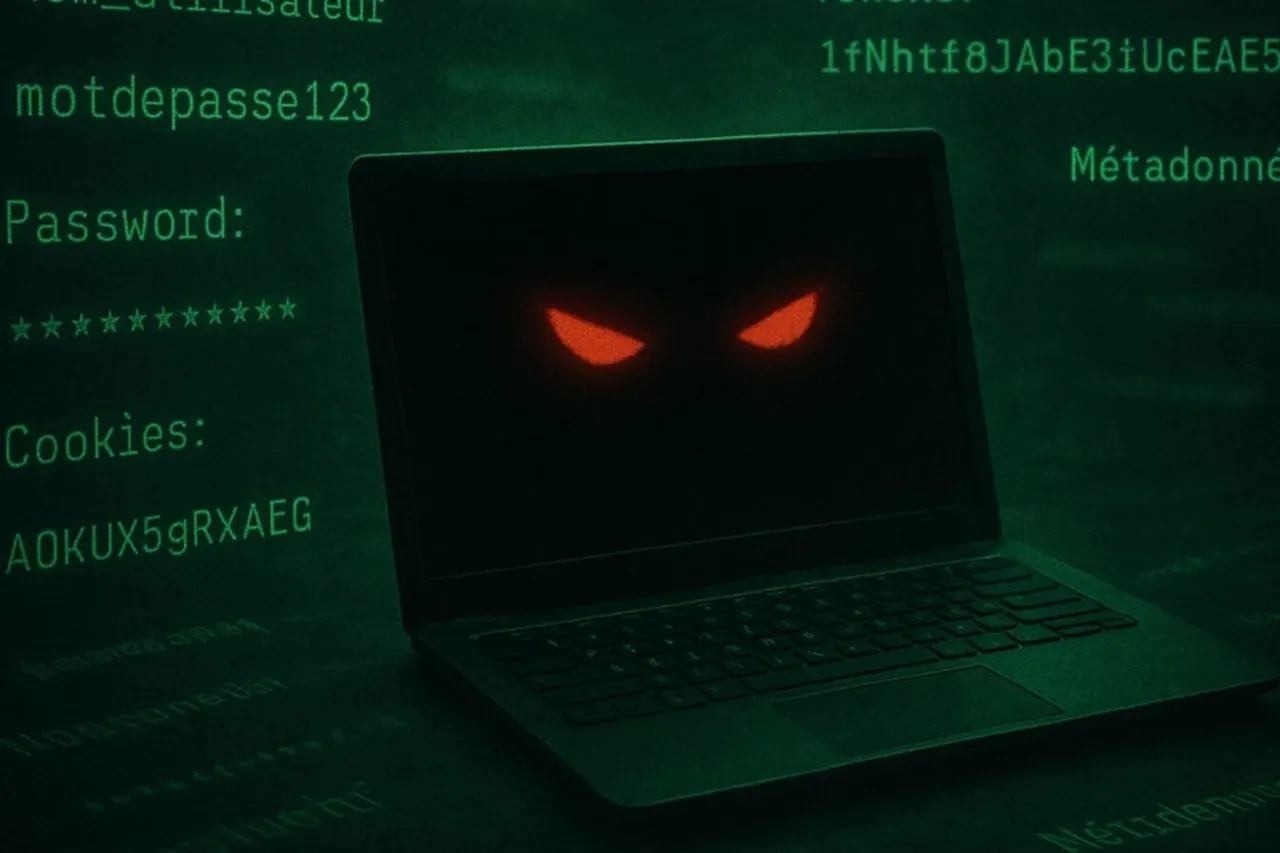
2 billion exposed passwords: Gmail, Facebook, Netflix logins found open online

Amazon Leo passes 400 satellites a week after losing 40

A1 Challenge Race: Student AI Drivers Take Formula Cars to Everland
More in: Business
See all →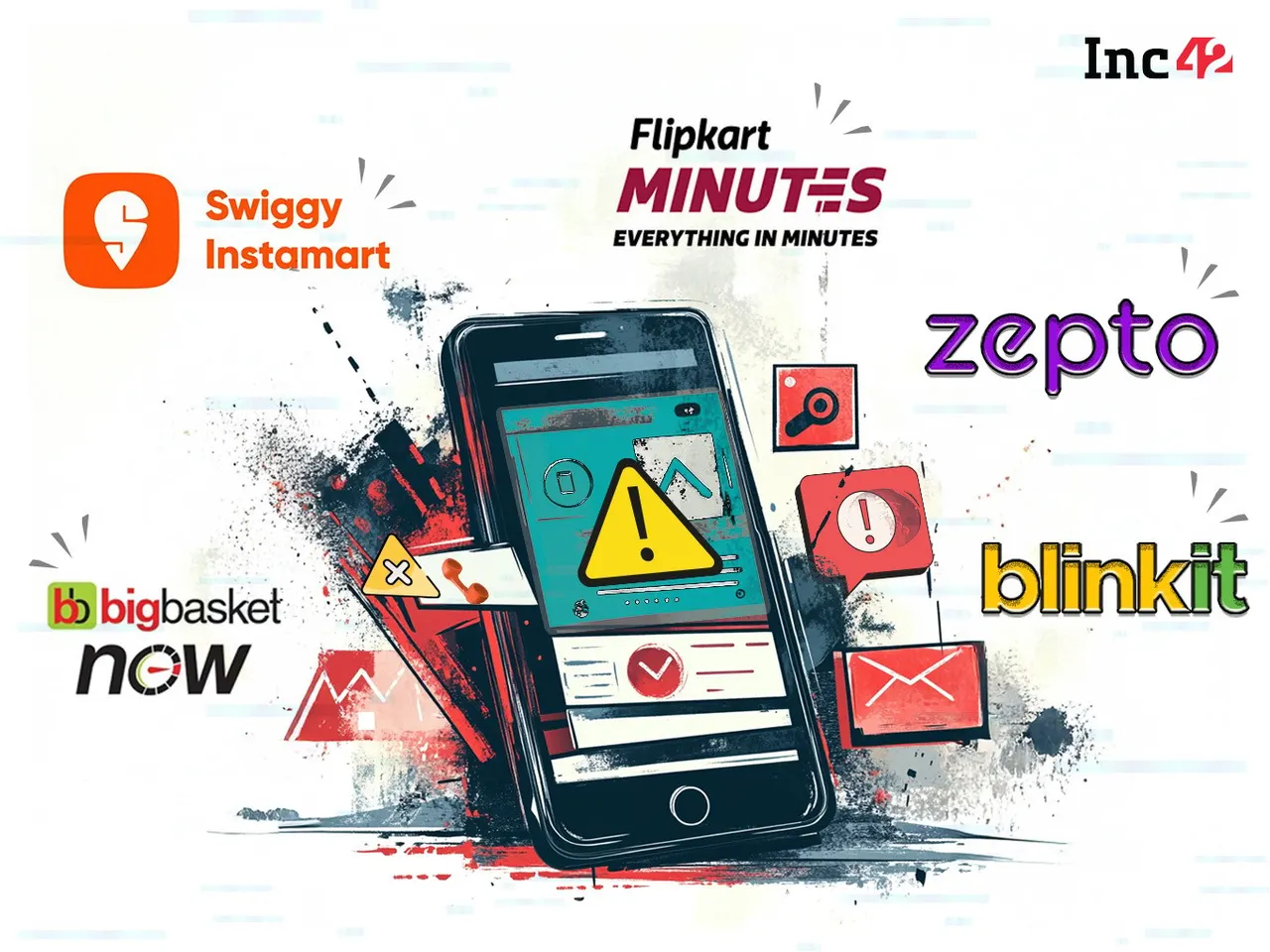
Dark patterns in India: 23 of 31 'clean' companies still use them

Wero on Steam: how to pay with it in France, and the catch
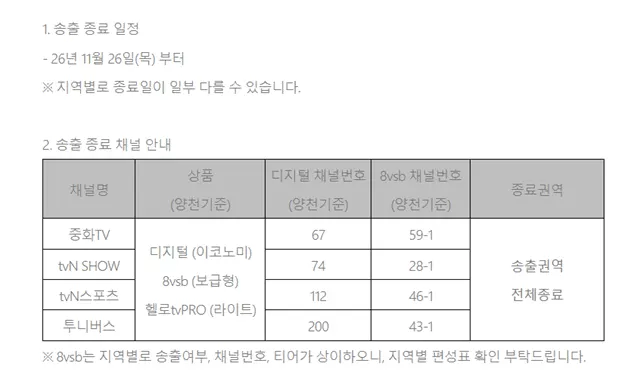
LG HelloVision drops four CJ ENM channels after court ruling